
DbcultAccessing Vault...
Director's Spotlight
Senior Film Conservator
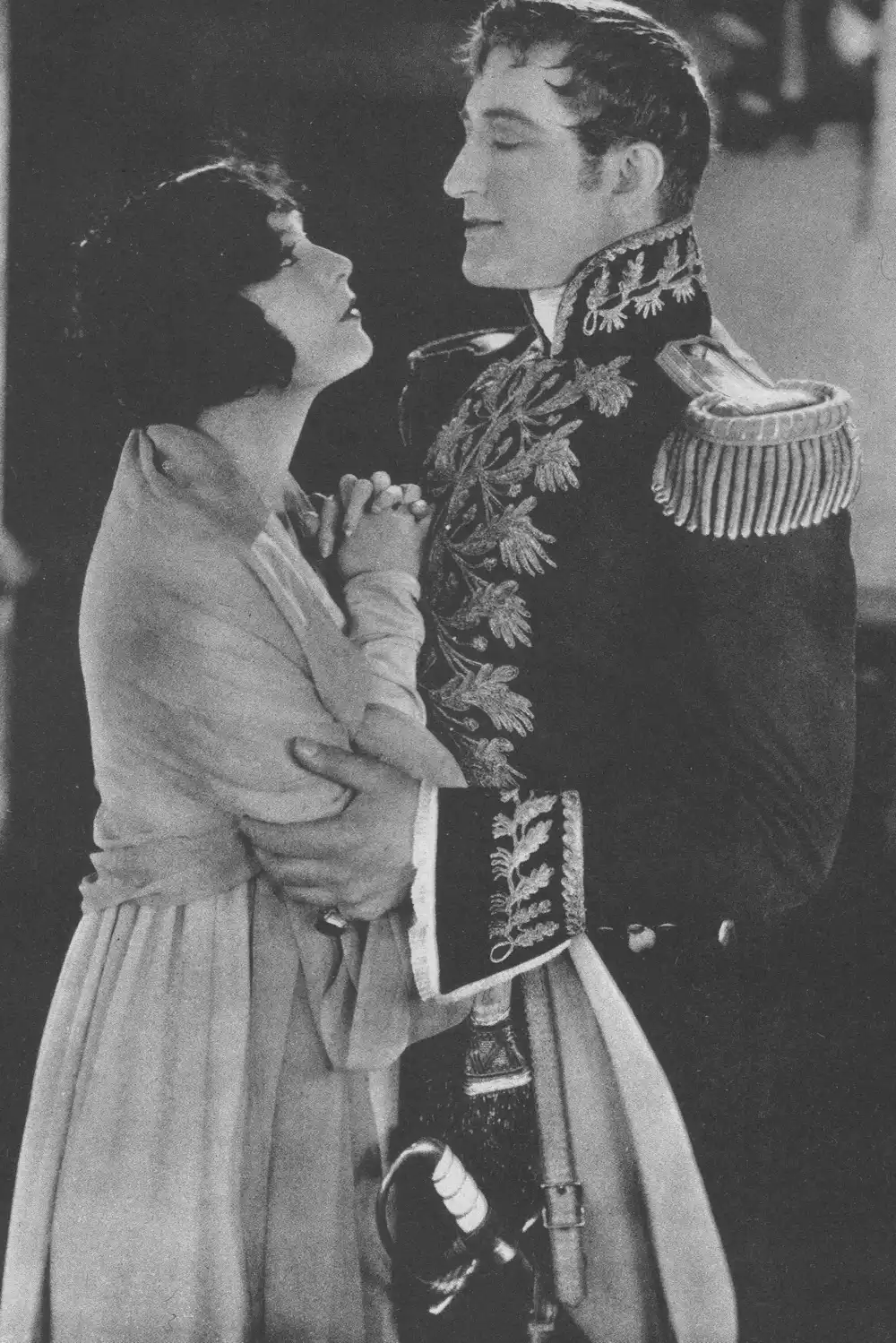
Director's Spotlight: Argentina
A Deep Dive into the 1928 Vision of Albert H. Kelley
The thematic gravity of Una nueva y gloriosa nación (1928) is rooted in the historical context that Albert H. Kelley weaves into the Biography fabric. Synthesizing the best elements of Argentina and international cinema, it highlights the importance of independent voices in Argentina.
In Una nueva y gloriosa nación, Albert H. Kelley pushes the boundaries of conventional narrative. The film's unique approach to its subject matter has sparked endless debates and interpretations among cinephiles and critics alike.
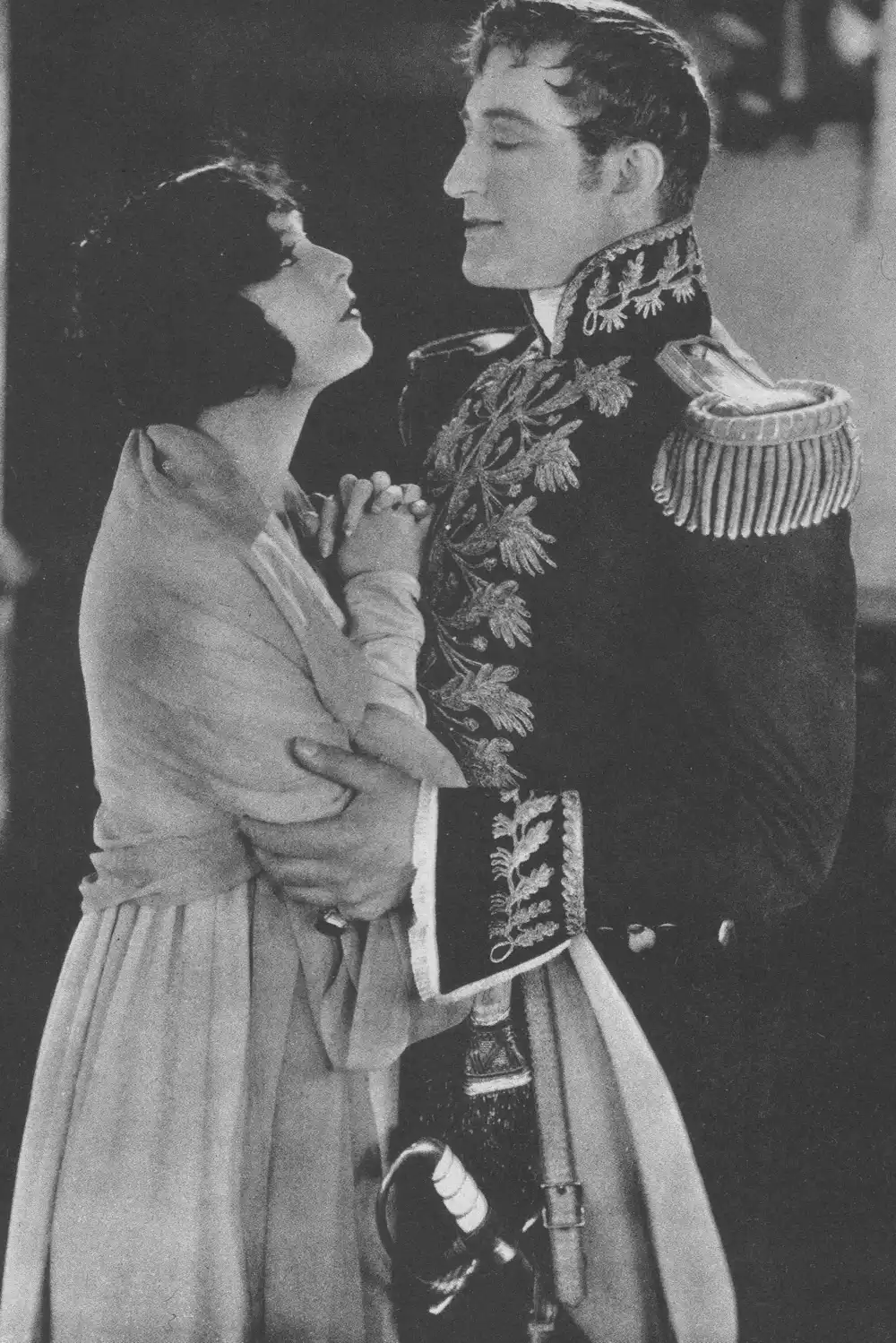
In this work, Albert H. Kelley explores the intersection of Biography and Argentina cultural identity. The meticulous attention to detail suggests a deep-seated commitment to pushing the boundaries of the medium, ensuring that Una nueva y gloriosa nación remains a relevant topic of study for Biography enthusiasts.
| Cinematography | Static |
| Soundtrack | Experimental |
| Editing | Invisible |
| Art Direction | Kitsch |
Visualizing the convergence of Albert H. Kelley's style and the core Biography narrative.
In early 1800s colonial Argentina, Belgrano leads a revolt against the oppressive Spanish authorities, and his poorly trained and badly equipped army inflicts a series of stunning defeats on the superior Spanish and loyalist forces. Monica, Belgrano's sweetheart, is the daughter of a prominent loyalist but is also a spy for Belgrano, sending him valuable information until she is caught and sentenced to be beheaded. Belgrano must gather his forces to rescue Monica before she goes under the headsman's axe.
Decades after its release, Una nueva y gloriosa nación remains a vital piece of the cinematic puzzle. Its influence can be seen in countless modern works, solidifying Albert H. Kelley's status as a master of the craft in Argentina and beyond.