
DbcultAccessing Vault...
Director's Spotlight
Senior Film Conservator
Director's Spotlight: United States
A Deep Dive into the 1918 Vision of Albert Parker
The cult DNA of Annexing Bill is a reflection of United States's the subversive storytelling techniques employed by Albert Parker in 1918. Breaking the traditional rules of cult engagement, it leaves an indelible mark on the soul of the viewer.
In Annexing Bill, Albert Parker pushes the boundaries of conventional narrative. The film's unique approach to its subject matter has sparked endless debates and interpretations among cinephiles and critics alike.
To fully appreciate Annexing Bill, one must consider the cinematic climate of 1918. During this period, United States was undergoing significant artistic shifts, and Albert Parker was at the forefront of this cult movement, often challenging established norms.
| Cinematography | Handheld |
| Soundtrack | Experimental |
| Editing | Elliptical |
| Art Direction | Expressionist |
Visualizing the convergence of Albert Parker's style and the core cult narrative.
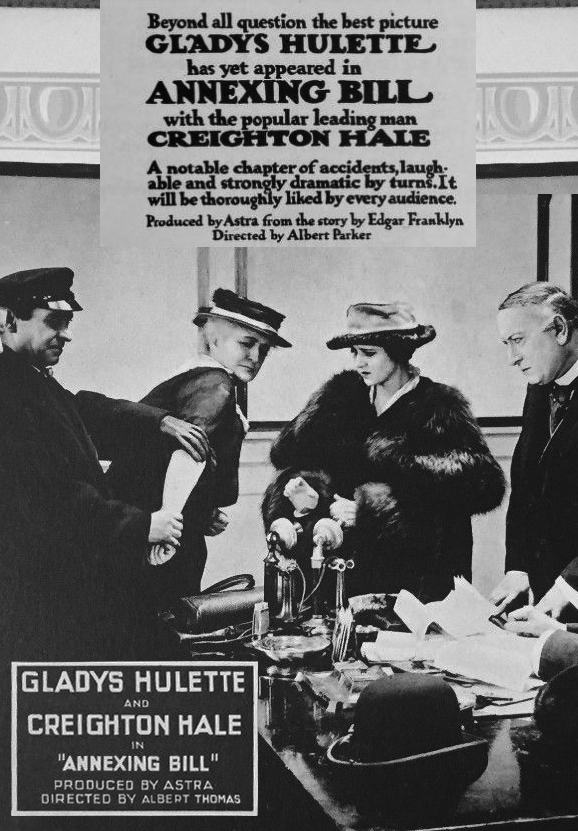
Young lawyer Billy Dow vows not to marry a woman who has more money then he does, which causes problems when his girlfriend inherits a million dollars from an aunt she has never seen. In keeping with his promise, Billy breaks up with her. Desperate to get him back, she turns over the money to George Frayne, an "investor" with a long record of losing money for his investors, in hopes that he will lose all of her money and Billy will take her back. Complications ensue.
Decades after its release, Annexing Bill remains a vital piece of the cinematic puzzle. Its influence can be seen in countless modern works, solidifying Albert Parker's status as a master of the craft in United States and beyond.