
DbcultAccessing Vault...
Director's Spotlight
Senior Film Conservator
Director's Spotlight: United States
A Deep Dive into the 1917 Vision of Albert Parker
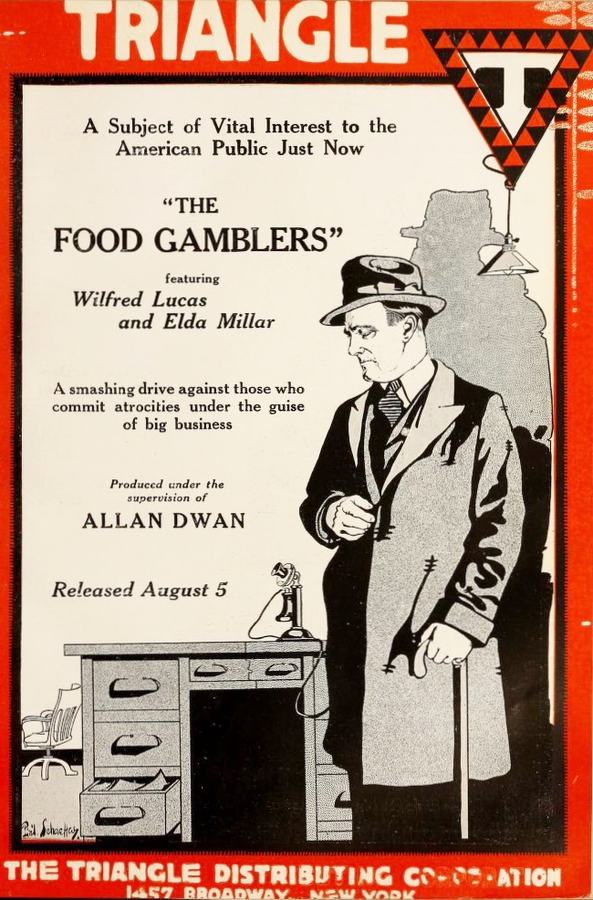
Analyzing The Food Gamblers (1917) requires a deep dive into the unique directorial voice that Albert Parker brought to the screen. By challenging the status quo of 1917 cinema, it continues to spark endless debates among critics and cinephiles alike.
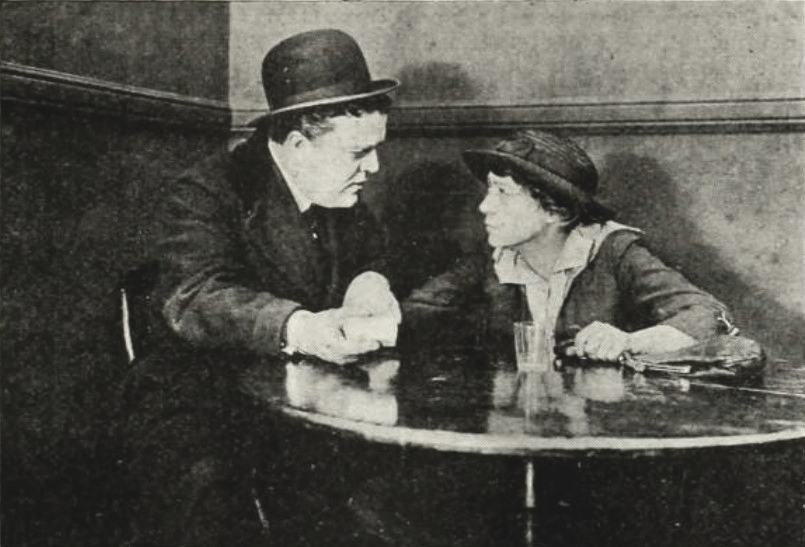
In The Food Gamblers, Albert Parker pushes the boundaries of conventional narrative. The film's unique approach to its subject matter has sparked endless debates and interpretations among cinephiles and critics alike.
| Cinematography | Deep Focus |
| Soundtrack | Diegetic |
| Editing | Elliptical |
| Art Direction | Expressionist |
Visualizing the convergence of Albert Parker's style and the core cult narrative.
Designated to write an article on the high price of food, reporter June Justice visits the tenement districts where there have been food riots and where the women of the neighborhood have rebelled against the food retailers, thinking that they are to blame for high food prices. June then visits the retailers, the middlemen, and finally interviews Henry Havens, the leader of the ring of food speculators. Havens attempts to bribe June to slant her story, but finds himself falling in love with her instead. Under June's influence, Havens sees the hardship that his policies have wrought, and finally joins her in her push for legislation which would dissolve the food trust.
Decades after its release, The Food Gamblers remains a vital piece of the cinematic puzzle. Its influence can be seen in countless modern works, solidifying Albert Parker's status as a master of the craft in United States and beyond.