
DbcultAccessing Vault...
Director's Spotlight
Senior Film Conservator
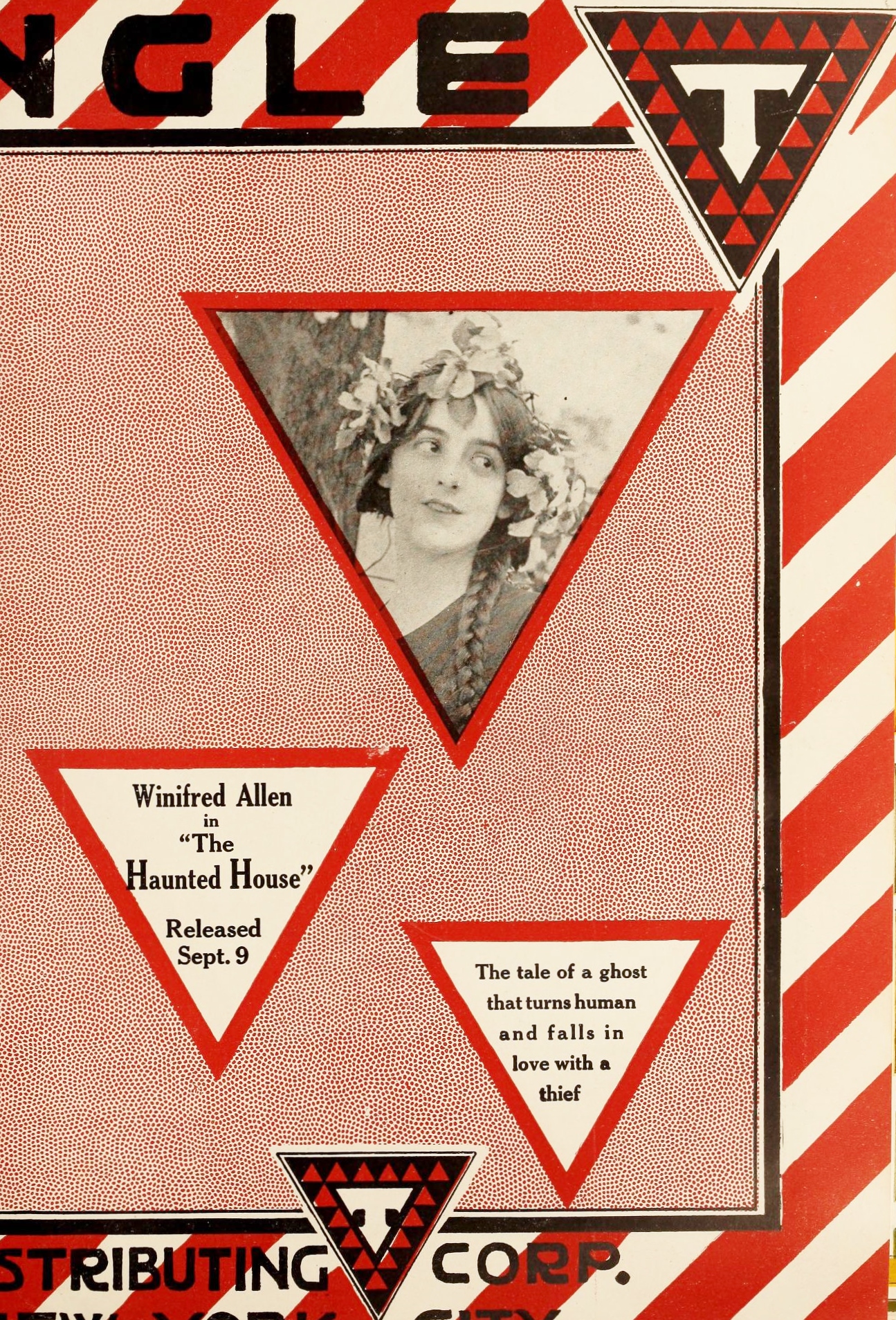
Director's Spotlight: United States
A Deep Dive into the 1917 Vision of Albert Parker
The 1917 release of The Haunted House marked a significant moment for the stylistic boundaries pushed by Albert Parker during the production. In the context of United States's rich cinematic history, it invites us to question our own perceptions of cult narratives.
In The Haunted House, Albert Parker pushes the boundaries of conventional narrative. The film's unique approach to its subject matter has sparked endless debates and interpretations among cinephiles and critics alike.
The visual language of The Haunted House is defined by its use of shadows and framing, a hallmark of Albert Parker's style. By utilizing a 1917-era palette, the film creates an immersive experience that perfectly complements its cult themes.
| Cinematography | Noir-Inspired |
| Soundtrack | Diegetic |
| Editing | Elliptical |
| Art Direction | Expressionist |
Visualizing the convergence of Albert Parker's style and the core cult narrative.
Young Anne (Winifred Allen) who lives with her stern uncle, is considered strange by the gossips of her village because she spends much of her time in the woods, where she has imaginary conversations with her deceased mother. When Jimmy (Dick Rosson), a crook is wounded after a robbery, he eludes the sheriff by hiding in a deserted mansion, unaware that the mansion is said to be haunted. The spirit haunting the mansion is Anne, who befriends Jimmy and frightens away his pursuers by pretending to be a ghost. Soon, the young couple begin a romance, safe within the walls of the haunted house.
Decades after its release, The Haunted House remains a vital piece of the cinematic puzzle. Its influence can be seen in countless modern works, solidifying Albert Parker's status as a master of the craft in United States and beyond.