
DbcultAccessing Vault...
Director's Spotlight
Senior Film Conservator
Director's Spotlight: United States
A Deep Dive into the 1925 Vision of Albert Ray
Analyzing All Abroad (1925) requires a deep dive into the unique directorial voice that Albert Ray brought to the screen. By challenging the status quo of 1925 cinema, it continues to spark endless debates among critics and cinephiles alike.
In All Abroad, Albert Ray pushes the boundaries of conventional narrative. The film's unique approach to its subject matter has sparked endless debates and interpretations among cinephiles and critics alike.
| Cinematography | Noir-Inspired |
| Soundtrack | Synth-Heavy |
| Editing | Rhythmic |
| Art Direction | Naturalist |
Visualizing the convergence of Albert Ray's style and the core Short narrative.
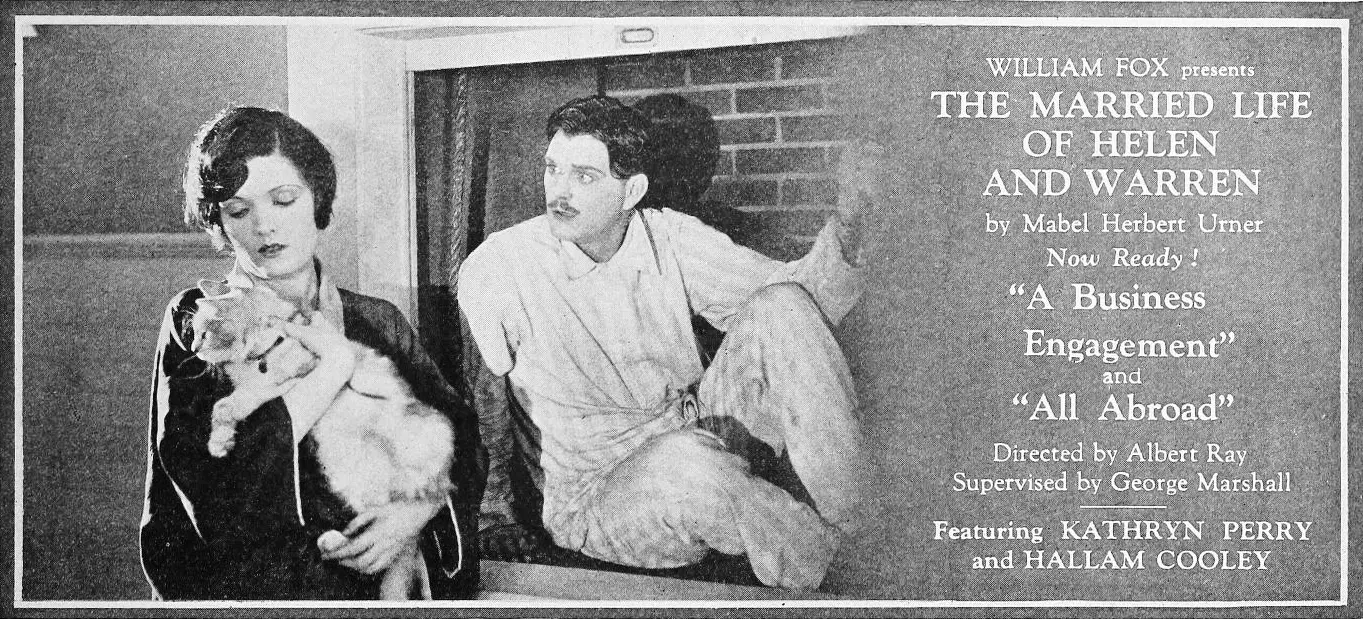
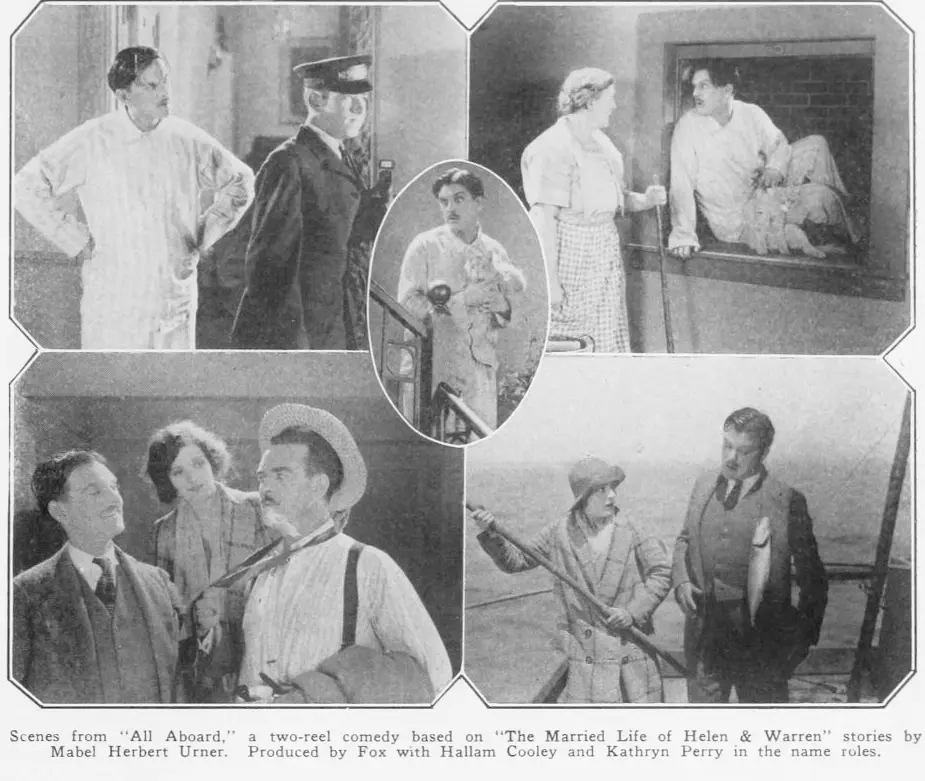
While Warren is taking a pleasant morning sleep, the door bell rings and under Helen's orders, Warren reluctantly goes to see who it is. Clad in pajamas, he opens the door to receive a telegram and while signing the receipt, Helen's pet cat runs out and down the stairs. Warren follows, and to escape from an embarrassing situation which arises when he meets several inmates of the house, climbs in the dumb-waiter and Helen pulls him up. The telegram is a notice from his firm that he is to take a trip to Europe. Helen makes a scene when Warren informs her that she cannot accompany him. He goes to the office and she, in the meantime with the help of a companion, plans to sail on the same boat. A mix up of orders follow at the office with the result that another member of the firm is to sail instead of Warren. Warren reaches home to find that his wife is on the way to the steamer. He engages a rum-runner's speed boat to follow. Boarding the steamer, Helen finds the other man in Warren's stateroom. While all this is going on, Warren's rum-running pilot is being pursued by a revenue cutter. They finally reach the ship and complications are temporarily brought to a close.
Decades after its release, All Abroad remains a vital piece of the cinematic puzzle. Its influence can be seen in countless modern works, solidifying Albert Ray's status as a master of the craft in United States and beyond.