The Spectral Screen: Why Silent Era Spiritualism Films Are the Unseen Blueprint for Cult Cinema's Occult Obsessions
Archivist John
Senior Editor
4 May 2026
8 min read
At Dbcult.com, we often champion the audacious, the overlooked, and the downright bizarre. We trace the lineage of cinematic devotion, dissecting the obscure rituals and visual codes that bind cult audiences. But what if the true genesis of cinema’s most enduring occult obsessions and its fascination with the uncanny didn't begin with the psychedelic horrors of the 70s or the explicit transgressions of the 80s? What if the real architects of cult cinema’s spectral soul were the flickering, silent images of mediums, séances, and spirit photography from the dawn of film itself? It’s a bold claim, perhaps, but I contend that the silent era’s pervasive engagement with spiritualism, often dismissed as mere novelty or historical curiosity, planted the deep, unsettling seeds of what we now recognize as the cultic gaze into the unknown. These forgotten celluloid séances didn't just reflect a cultural phenomenon; they actively shaped the visual language for the liminal, the forbidden, and the deeply unsettling, creating an unspoken blueprint for future generations of filmmakers who dared to explore the veil between worlds.
The Veiled World: Spiritualism as Cultural Bedrock and Cinematic Canvas
The late 19th and early 20th centuries were awash in spiritualism. The Victorian era, scarred by death and yearning for connection, sought solace and proof in the unseen. Séances became a common parlor game, spirit photography a burgeoning industry, and mediums, both genuine and fraudulent, commanded public attention. Cinema, in its nascent form, was uniquely positioned to capture and exploit this cultural zeitgeist. It was a medium of shadows and light, of illusion and trickery, perfectly suited to depict the elusive nature of spirits and the theatricality of spiritualist performance. Early filmmakers, often magicians themselves, recognized the inherent drama and visual potential in the attempt to communicate with the dead.
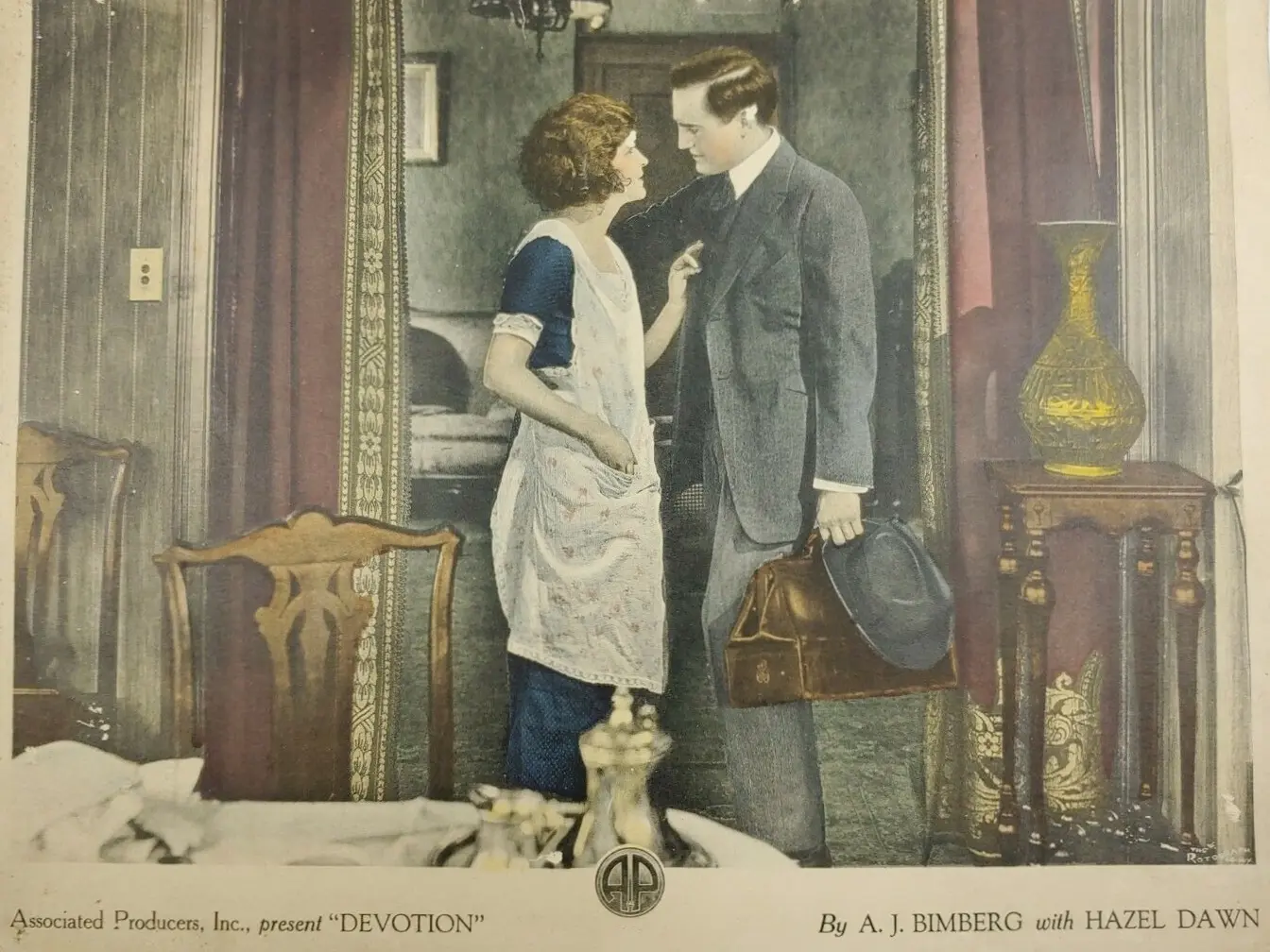
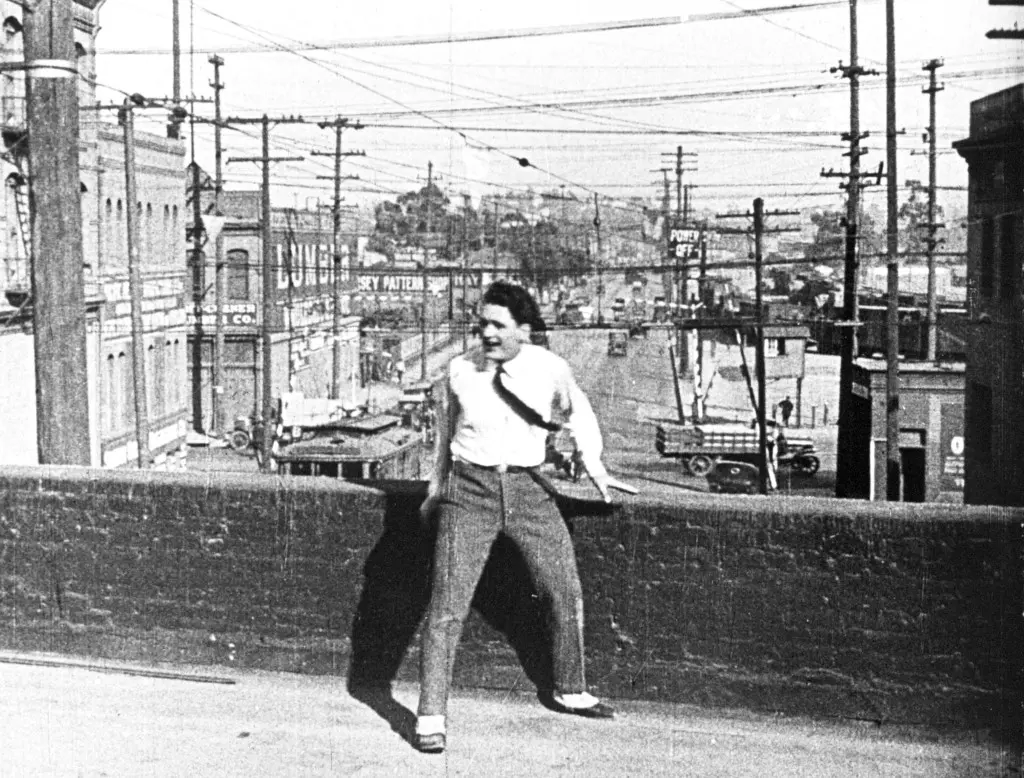
Scene from Devotion
A visual fragment from the archive: The thematic resonance of Devotion perfectly mirrors the editorial trajectory of our deep dive.
Think of the profound cultural anxieties these films tapped into. The fear of death, the longing for lost loved ones, the unsettling possibility that another dimension existed just beyond our perception. These weren't mere genre tropes; they were existential questions that cinema, with its nascent visual grammar, could explore with unprecedented immediacy. The act of watching a film itself, in a darkened room, projected onto a screen, was a communal, almost ritualistic experience that mirrored the solemnity of a séance. The flickering light, the ghostly apparitions, the suspension of disbelief – it all contributed to an atmosphere ripe for the uncanny.
Early Ectoplasm on Nitrate: From Trick Films to Genuine Dread
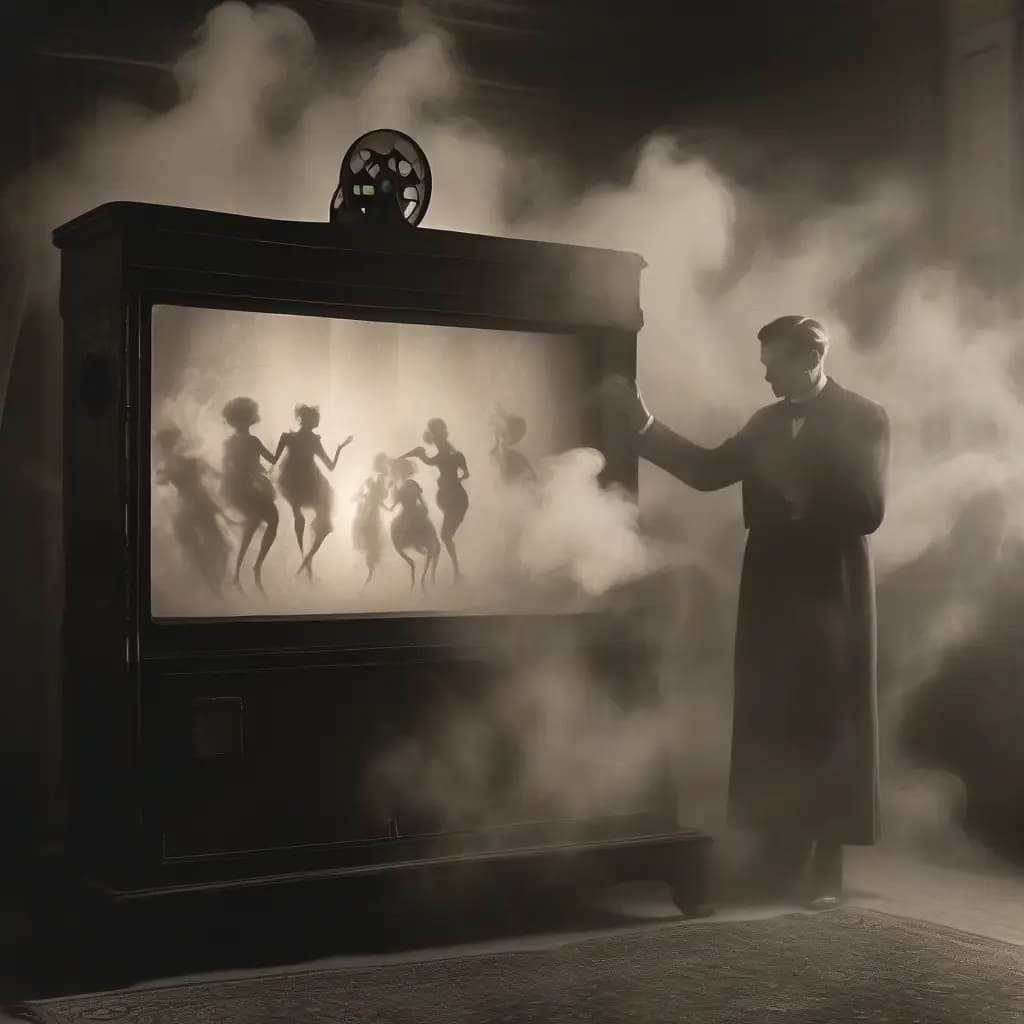
Georges Méliès, the undisputed master of early cinematic illusion, set the stage. While many of his films were purely fantastical, works like The House of the Devil (1896) or The Haunted Hotel (1907) showcased spectral appearances and objects moving seemingly on their own, often using rudimentary but effective stop-motion and superimposition. These weren't explicitly spiritualist, but they primed audiences for the visual language of the impossible, the spectral presence that defies logic. The flickering, ethereal quality of nitrate film itself, prone to ghosting and instability, inadvertently lent itself to the depiction of the otherworldly. The very medium felt haunted.
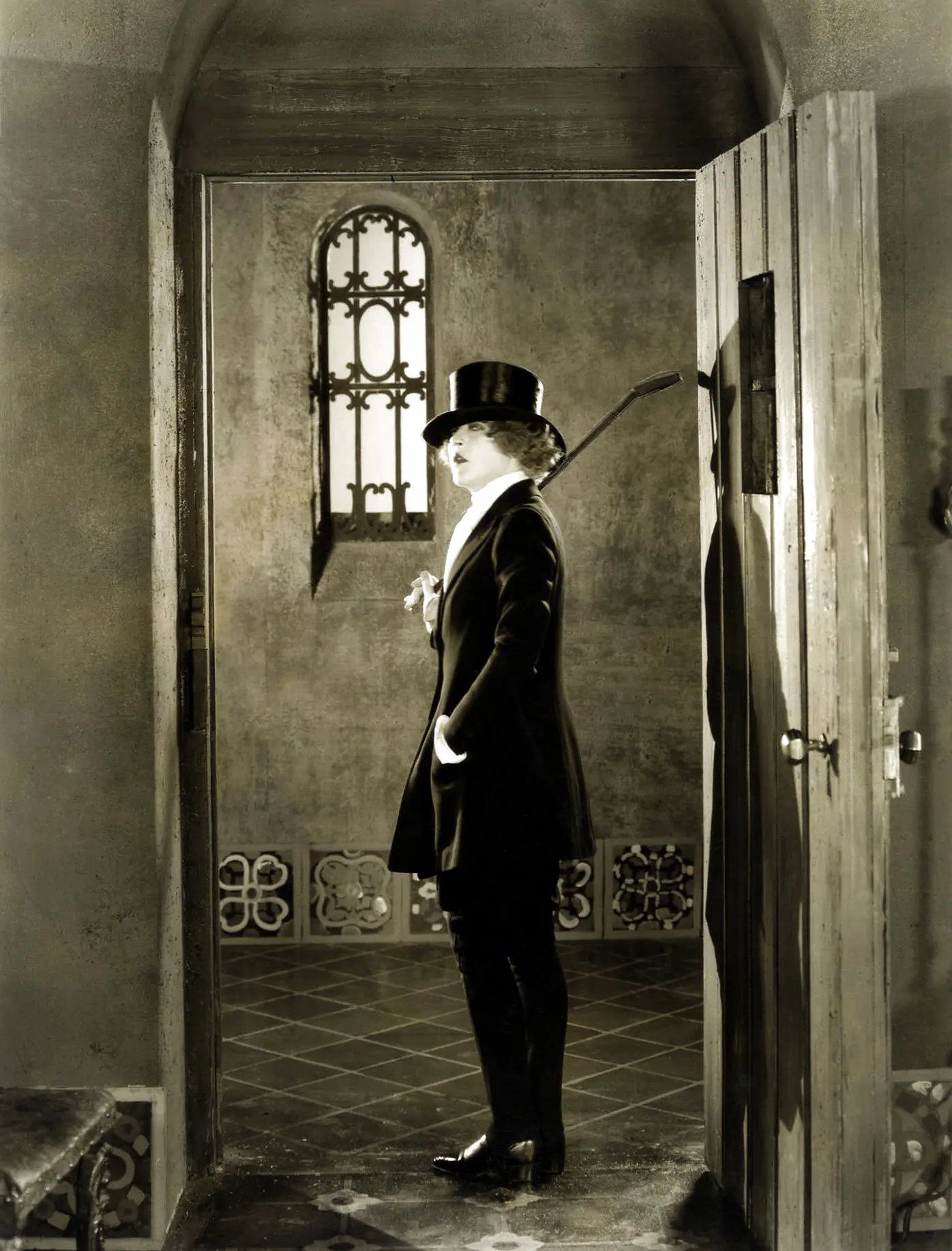
Scene from Fascination
A visual fragment from the archive: The thematic resonance of Fascination perfectly mirrors the editorial trajectory of our deep dive.
Soon, more direct portrayals emerged. Films like The Medium (1910) or The Spiritualist (1909) often depicted séances, sometimes exposing fraudulent mediums, but just as often reveling in the mysterious atmosphere. The camera, in these instances, became a voyeuristic eye, peering into a forbidden ritual. The audience, much like the sitters around the séance table, was invited to witness the impossible. Even when the 'spirits' were revealed as tricks, the lingering question remained: what if? This ambiguity, this constant oscillation between belief and skepticism, is a hallmark of cult cinema's enduring power. It doesn't give easy answers; it provokes thought and debate. Many of these early spiritualist films, despite their often simplistic narratives, inadvertently created a more profound sense of dread and existential unease than their overt 'ghost story' counterparts, precisely because they blurred the lines between fraud and genuine supernatural encounter.
The true genesis of cult cinema's fascination with psychological unraveling and the uncanny doesn't lie in the explicit horrors of the 1970s, but in the subtle, often forgotten, spiritualist dramas of the early silent era.
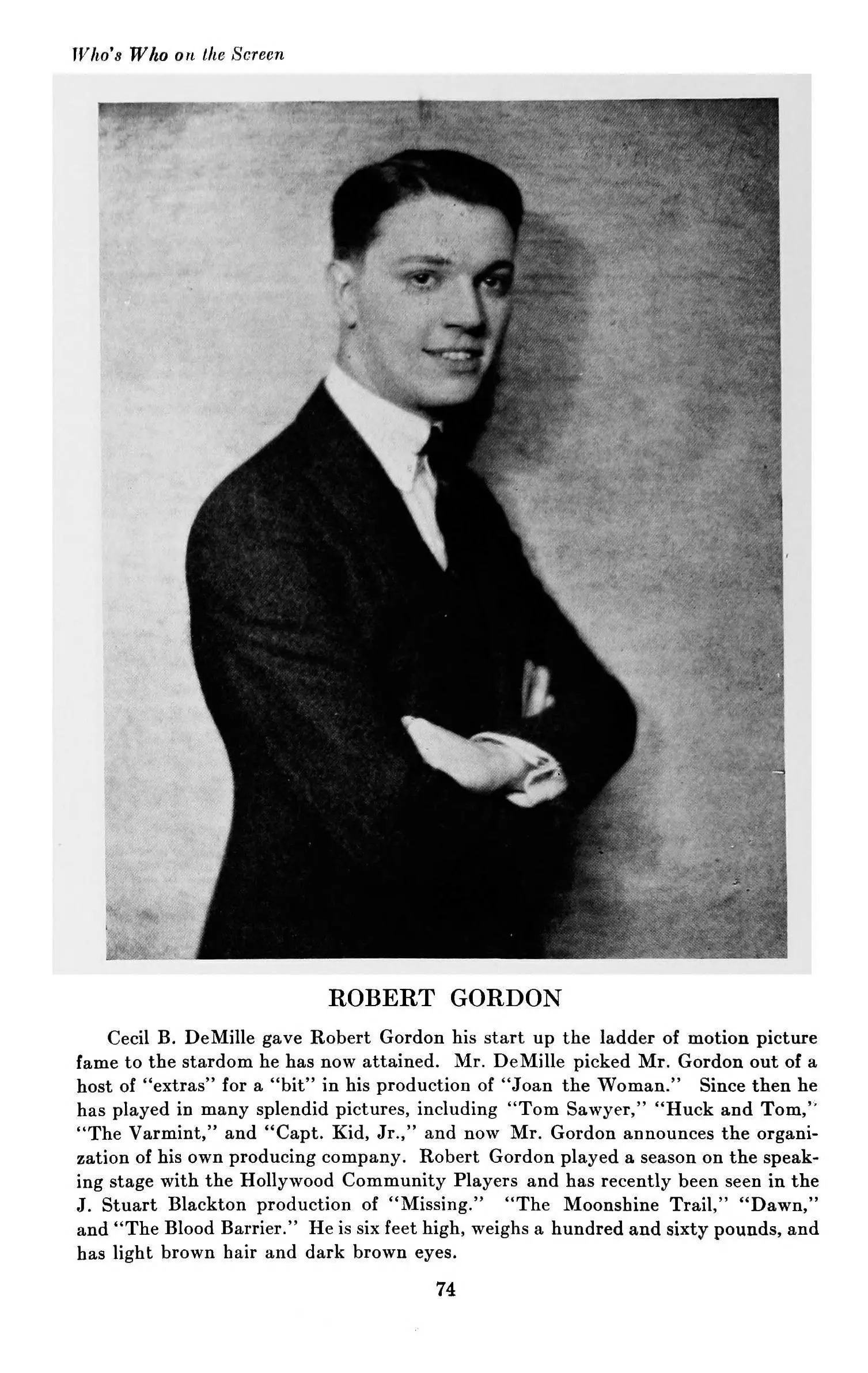
Scene from Dawn
A visual fragment from the archive: The thematic resonance of Dawn perfectly mirrors the editorial trajectory of our deep dive.
The Medium as the Original Cult Protagonist
The figure of the medium, the clairvoyant, or the occult investigator became a proto-cult protagonist. These characters, often outsiders or figures grappling with forbidden knowledge, mirrored the audience's own fascination with the fringes. They were the ones who dared to cross the threshold, to communicate with the beyond. In films like The Clairvoyant's Daughter (1910), the medium isn't just a plot device; they are the conduit, the liminal figure whose very existence challenges conventional reality. This archetype, the individual who sees or knows too much, reverberates through cult classics from Rosemary’s Baby (1968) to Hereditary (2018), where protagonists are drawn into esoteric practices or haunted by unseen forces.
The Uncanny Aesthetics: Shadows, Superimpositions, and the Spectral Gaze
The visual vocabulary developed in these early spiritualist films became foundational. Filmmakers used double exposures to create transparent ghosts, dissolves for ethereal transitions, and smoke effects to conjure the swirling mists of ectoplasm. This wasn't just technical ingenuity; it was a deliberate aesthetic choice to depict the unseen, to make the intangible tangible. The chiaroscuro lighting, often seen in German Expressionism, found its early roots in the need to create shadowy, mysterious environments conducive to spiritual manifestations.
Scene from The Unknown
A visual fragment from the archive: The thematic resonance of The Unknown perfectly mirrors the editorial trajectory of our deep dive.
Consider the lasting impact. The spectral, distorted imagery of The Cabinet of Dr. Caligari (1920), with its somnambulist Cesare, taps directly into the psychological unease of mind control and altered states of consciousness, themes that border on spiritualist possession. Häxan (1922), a Danish-Swedish documentary-drama on witchcraft and demonology, while not strictly spiritualist, employs incredibly unsettling visual sequences of demonic rituals, torture, and hysterical possession. Its depictions of the infernal and the grotesque, often achieved through early special effects, are direct descendants of the attempts to visualize the unseen in spiritualist films. These films taught us how to see the uncanny, how to interpret visual cues for hidden realities. Without the early experiments in ectoplasmic photography, would the shimmering, otherworldly cult aesthetics of a Dario Argento or a Ken Russell have been possible?
The Cinematic Séance: A Shared Ritual
The very act of watching these films, in the communal darkness of a picture palace, fostered a shared, almost ritualistic experience. Audiences leaned forward, captivated by the possibility of witnessing a genuine spiritual manifestation, or at least a convincing illusion. This collective immersion, this willingness to suspend disbelief in the face of the unknown, is the beating heart of cult cinema. It’s not just about watching a story; it’s about participating in an experience, a communion. The flickering, ephemeral nature of early nitrate film itself, combined with the often crude but effective special effects, created an inherent “spectral” quality, making the medium itself a perfect conduit for spiritualist themes. The film strip was the ectoplasm, materializing visions from another realm.
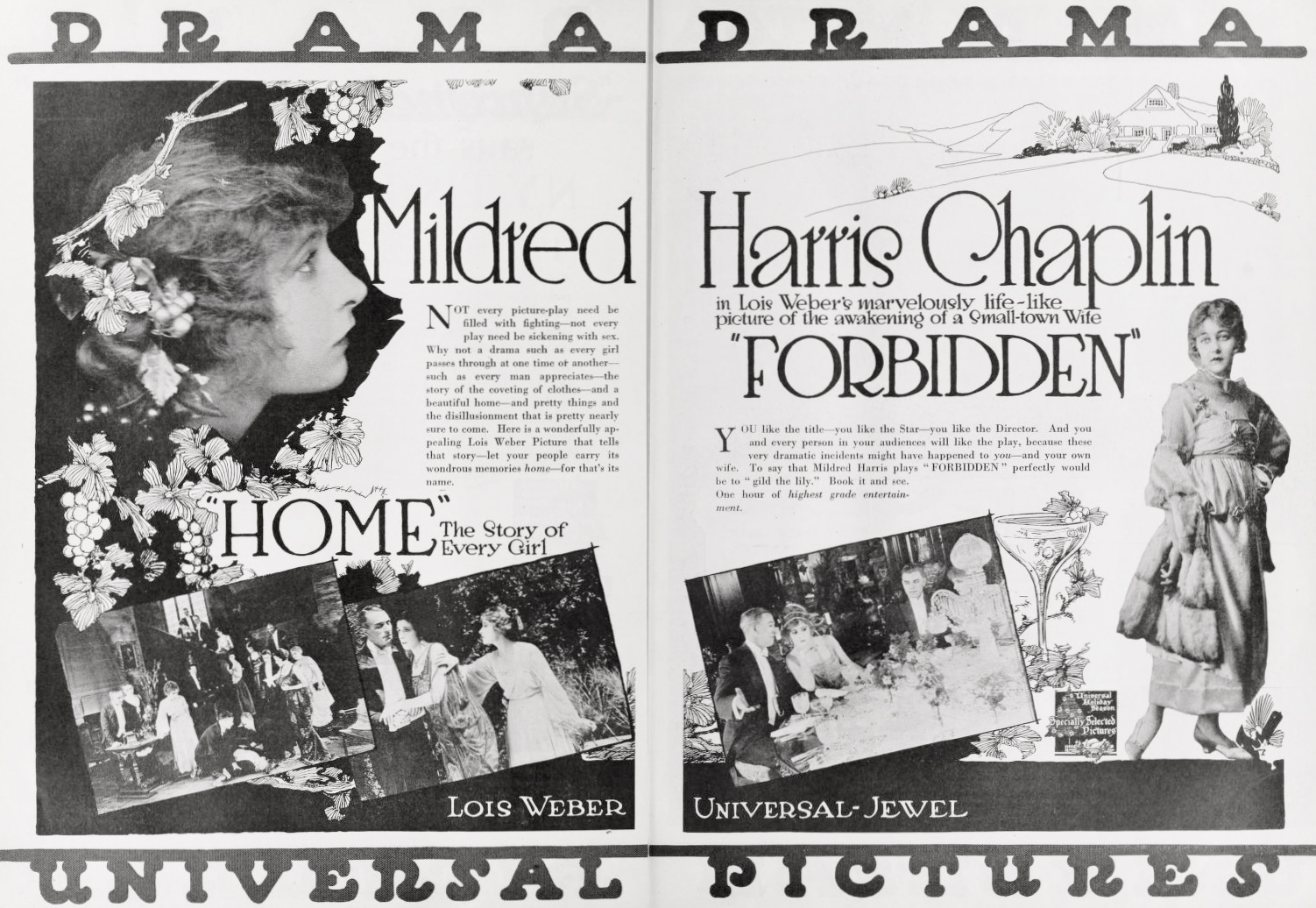
Scene from Forbidden
A visual fragment from the archive: The thematic resonance of Forbidden perfectly mirrors the editorial trajectory of our deep dive.
The Legacy of the Liminal: From Spirit Guides to Midnight Movies
The influence of these silent spiritualist films extends far beyond their immediate era. The themes and visual techniques they pioneered became essential tools for filmmakers exploring the darker, more mysterious corners of the human psyche and the universe. Consider the psychological horror genre: the idea of an unseen, malevolent presence haunting a character’s mind owes a debt to the ambiguity of silent séances, where external spirits and internal delusions often blurred.
Folk Horror: Films like The Wicker Man (1973) or Midsommar (2019) thrive on ancient rituals, hidden cults, and esoteric beliefs that echo the silent era's fascination with secret knowledge and forbidden practices. The communal, immersive nature of their depicted rituals finds a distant ancestor in the shared experience of the cinematic séance.
Cosmic Horror & The Uncanny: H.P. Lovecraft, a contemporary of the later silent era, drew heavily on the fear of the unknown and entities beyond human comprehension. Films that tap into cosmic dread, from Eraserhead (1977) to Annihilation (2018), often employ the same visual techniques of distortion, ethereal presences, and unsettling ambiguity perfected in films attempting to show ghosts.
Possession & Exorcism Films: The very concept of a body being taken over by an external entity, a cornerstone of films like The Exorcist (1973), finds a proto-narrative in the medium’s channeling of spirits, where the physical body becomes a vessel for another consciousness.
The silent era's spiritualism films didn't just show ghosts; they taught cinema how to feel ghostly. They laid the groundwork for a cinema of atmosphere, suggestion, and profound psychological unease that continues to define the most compelling and enduring cult experiences. They invited audiences to question reality, to peer into the shadows, and to collectively embrace the thrilling, terrifying possibility that there is more to existence than meets the eye. This foundational engagement with the liminal, the esoteric, and the spectral is arguably the most underrated contribution of early cinema to the cult canon. It's time these forgotten celluloid séances are recognized not as quaint curiosities, but as vital ancestors to the midnight movie magic we cherish today.