
DbcultAccessing Vault...
Director's Spotlight
Senior Film Conservator
Director's Spotlight: United States
A Deep Dive into the 1924 Vision of Albert Ray
The evocative power of Desert Blues stems from the unique collaboration between the bold experimentation that has become synonymous with Albert Ray. Framed by the hauntingly beautiful landscapes of the production, it echoes the profound changes occurring in United States during that era.
In Desert Blues, Albert Ray pushes the boundaries of conventional narrative. The film's unique approach to its subject matter has sparked endless debates and interpretations among cinephiles and critics alike.
In this work, Albert Ray explores the intersection of Comedy and United States cultural identity. The meticulous attention to detail suggests a deep-seated commitment to pushing the boundaries of the medium, ensuring that Desert Blues remains a relevant topic of study for Comedy enthusiasts.
| Cinematography | Deep Focus |
| Soundtrack | Synth-Heavy |
| Editing | Disjunctive |
| Art Direction | Baroque |
Visualizing the convergence of Albert Ray's style and the core Comedy narrative.
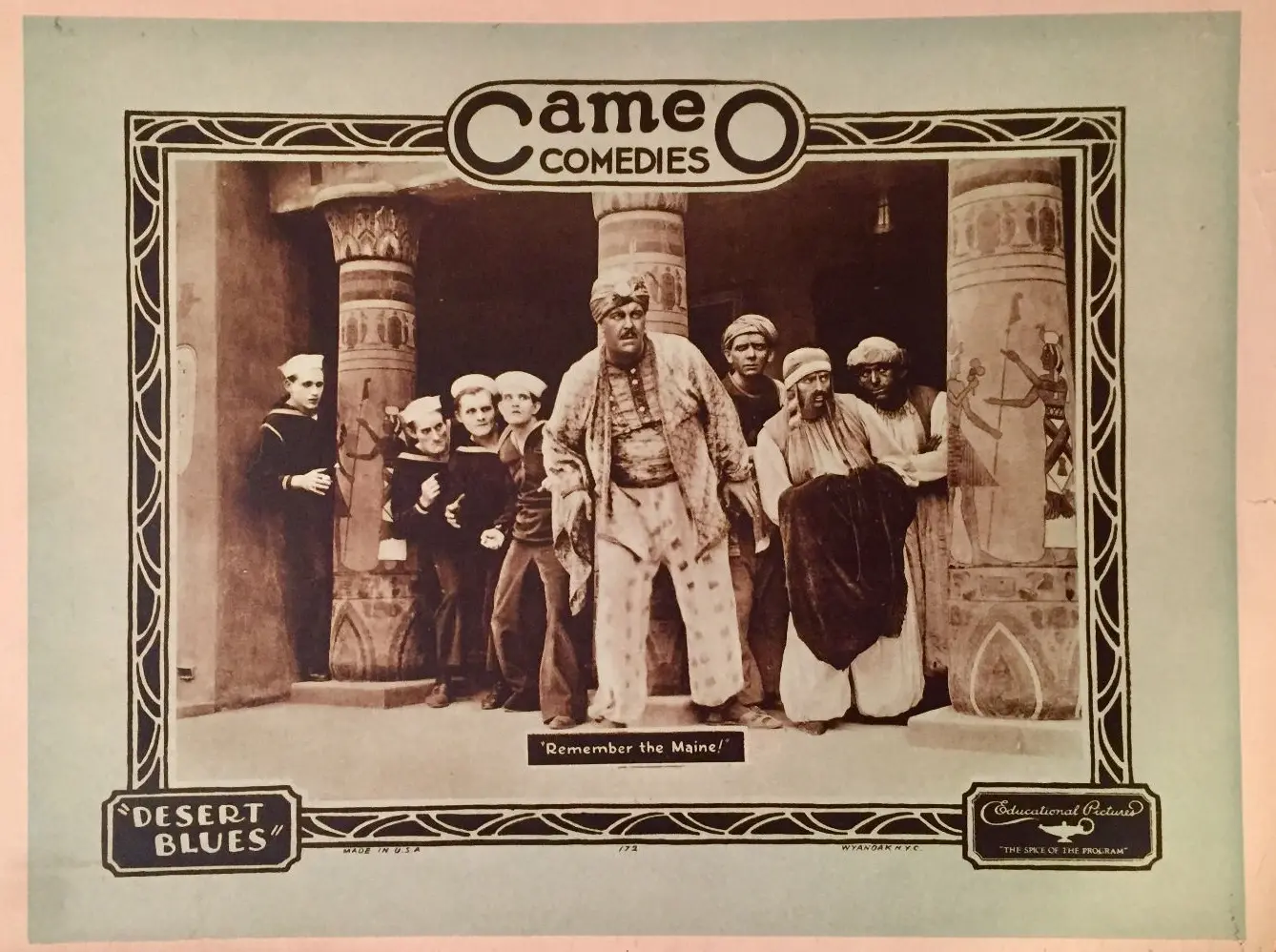
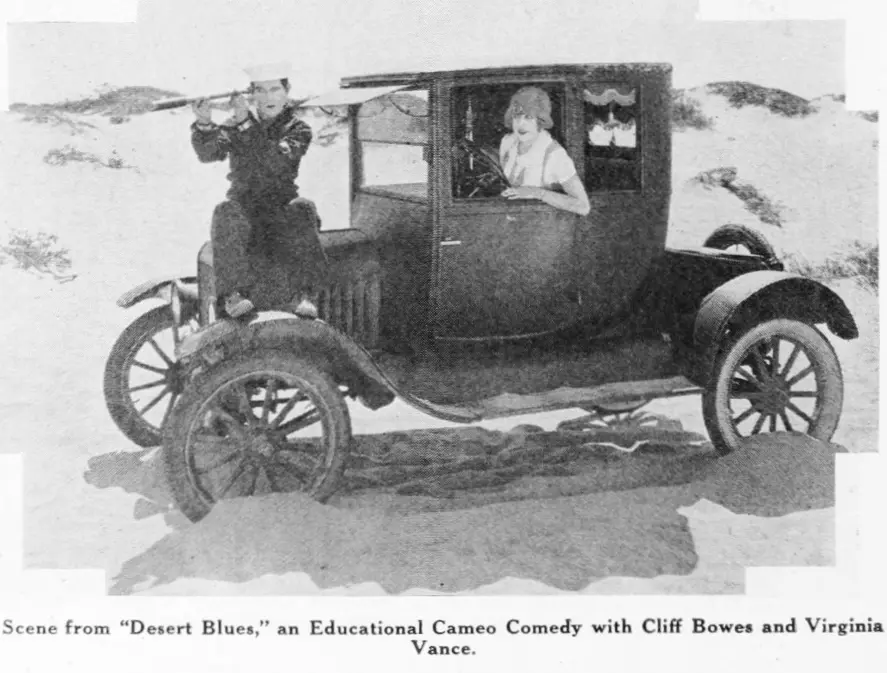
Cliff is a Jack Tar on shore leave in Egypt. Having left the U.S.A. he is looking for a dryer country and finds it in the desert. He is out riding on a camel when he meets Virginia, the daughter of Professor Newton, who is trying to find the knee caps of King Tut's first wife. While Cliff is entertaining Virginia by playing on an Egyptian tootle-pipe, Chief Alababa, head of the Desert Brigands, decides that Virginia is just the girl he needs to become Mrs. Alababa No. 43. Cliff has just mastered "Red Rot Mamma" on the pipe when the chief snatches Virginia from his side. Cliff gives the war cry of the gobs and a quartet of Jackies join him. They trace Alababa to an underground tomb and when they finish with Alababa and his gang the tomb has several more permanent residents, and Virginia is safely on the way to a future with a husband on the bounding main.
Decades after its release, Desert Blues remains a vital piece of the cinematic puzzle. Its influence can be seen in countless modern works, solidifying Albert Ray's status as a master of the craft in United States and beyond.