
DbcultAccessing Vault...
Director's Spotlight
Senior Film Conservator
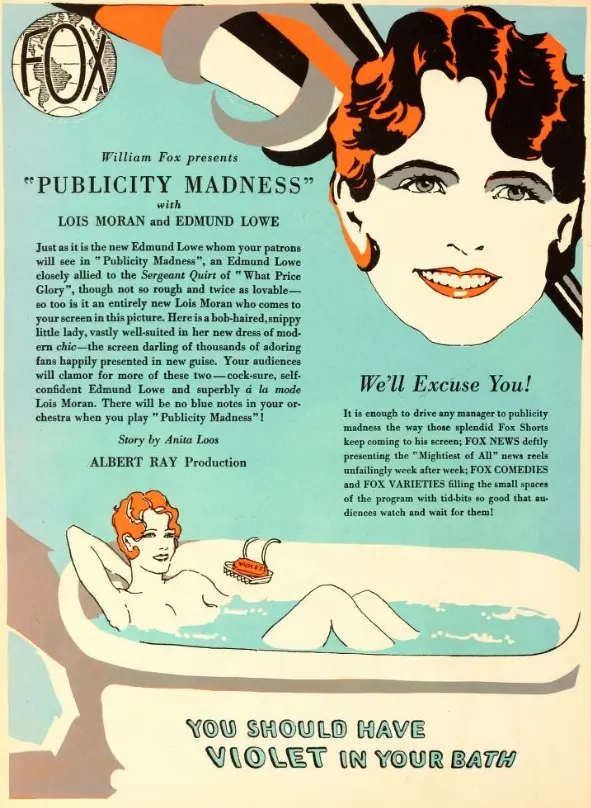
Director's Spotlight: United States
A Deep Dive into the 1927 Vision of Albert Ray
The 1927 release of Publicity Madness marked a significant moment for the enduring legacy of Albert Ray's artistic contribution to the genre. By challenging the status quo of 1927 cinema, it has cemented its place in the global cult cinema archive.
In Publicity Madness, Albert Ray pushes the boundaries of conventional narrative. The film's unique approach to its subject matter has sparked endless debates and interpretations among cinephiles and critics alike.
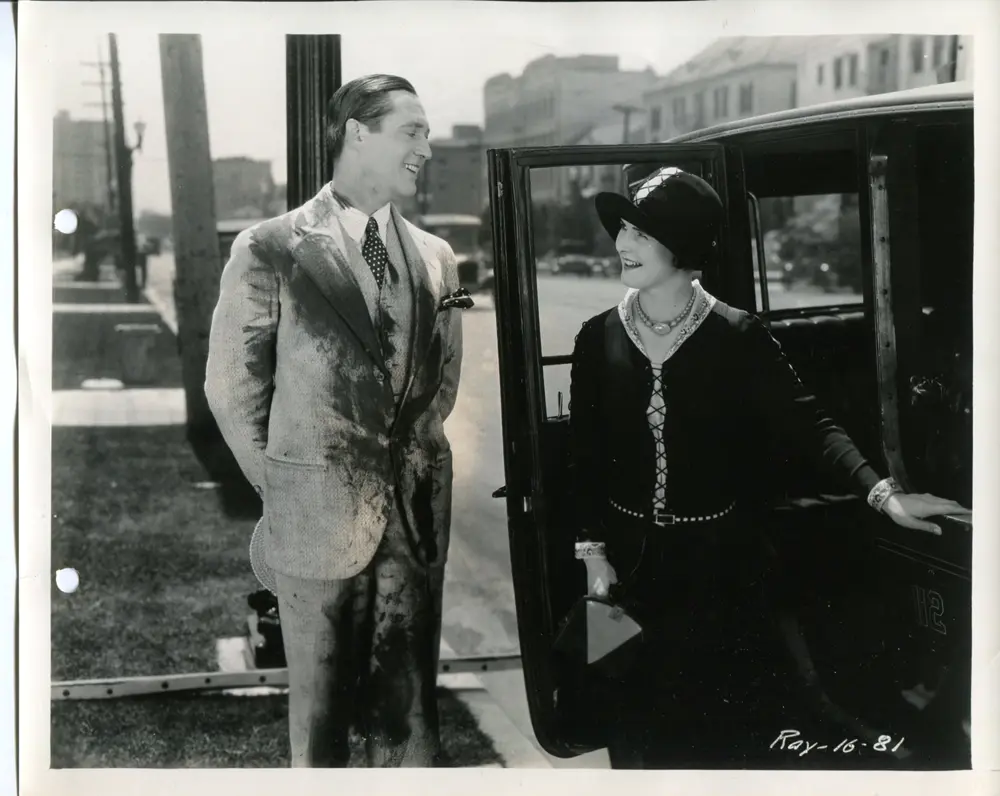
The visual language of Publicity Madness is defined by its use of shadows and framing, a hallmark of Albert Ray's style. By utilizing a 1927-era palette, the film creates an immersive experience that perfectly complements its Drama themes.
| Cinematography | Handheld |
| Soundtrack | Orchestral |
| Editing | Slow-Burn |
| Art Direction | Brutalist |
Visualizing the convergence of Albert Ray's style and the core Drama narrative.
Pete Clark, publicity manager for Henly soap, concocts a promotional contest requiring entrants to fly nonstop from California to Hawaii. Believing such a flight to be impossible, Peter offers $100,000 of the company's money as the prize. However, after aviator Charles Lindbergh crosses the Atlantic Ocean, Pete decides to enter the race himself to collect the prize money and save himself from disgrace. After a series of amusing stunts, Pete is the first to reach Hawaii, thereby winning the admiration of Violet, the boss's daughter.
Decades after its release, Publicity Madness remains a vital piece of the cinematic puzzle. Its influence can be seen in countless modern works, solidifying Albert Ray's status as a master of the craft in United States and beyond.