
DbcultAccessing Vault...
Listicle
Archivist John
Senior Editor
In the grand tapestry of film history, the silent era often gets overlooked, dismissed as a quaint prelude to the talkies. Yet, between 1918 and 1928, a dazzling array of cinematic masterpieces were crafted, telling stories with unparalleled visual artistry, powerful performances, and universal themes that still resonate today. These films, born from the imaginations of pioneering directors and brought to life by legendary stars, offer a unique window into the social fabric, aspirations, and anxieties of a bygone age. From gripping dramas to laugh-out-loud comedies and thrilling adventures, the silent screen was a canvas for boundless creativity.
Join us as we unearth ten extraordinary silent films, each a testament to the enduring power of visual storytelling. These aren't just historical artifacts; they are vibrant narratives waiting to be rediscovered, offering depth, emotion, and often surprising modernity. Prepare to be transported back to a time when expression was paramount, and the power of a single glance could speak volumes.
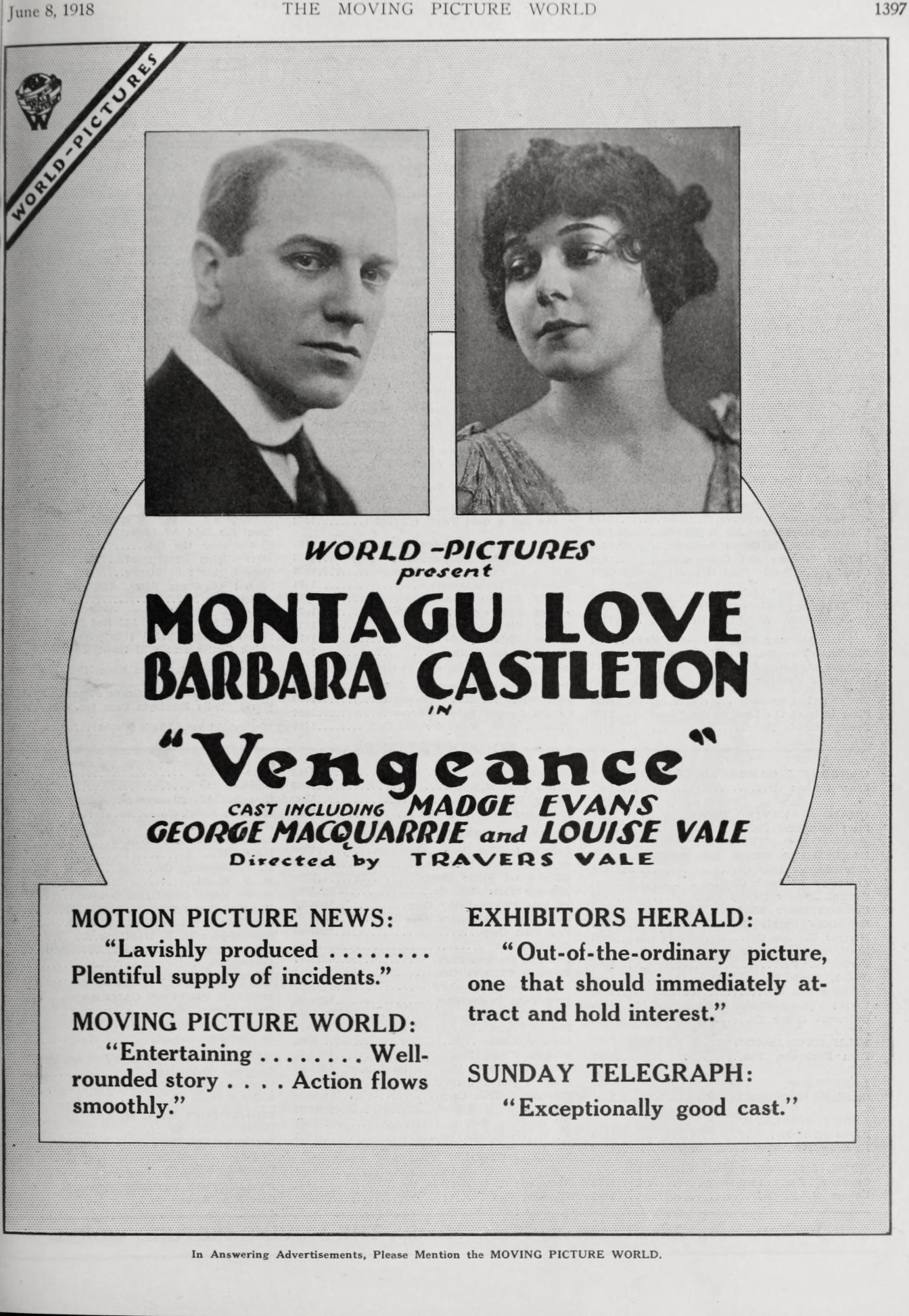
Directed with a keen eye for human drama, Vengeance plunges viewers into a world of betrayal and retribution. Set against the backdrop of a bustling post-war society grappling with new moral codes, the film follows the harrowing journey of its protagonist, driven by a profound sense of injustice. The intricate plot, unfolding through powerful visual metaphors and intense performances, explores the psychological toll of revenge and the blurred lines between justice and obsession. It’s a masterful study of character and consequence, revealing how the past can haunt the present and the future. The film's innovative use of shadow and light creates an atmospheric tension that keeps audiences on the edge of their seats, making it a compelling watch even today for fans of early cinema and psychological thrillers.
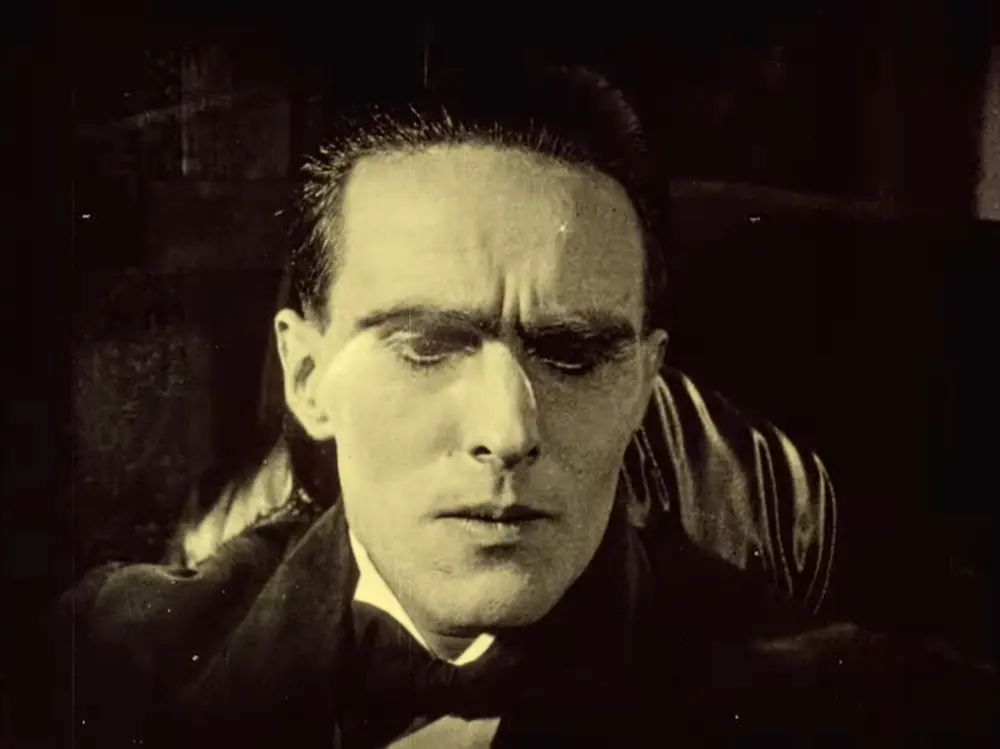
As the Roaring Twenties hit its stride, Tearing Through bursts onto the screen as a thrilling action-adventure, infused with the restless energy of the era. This film is a whirlwind of daring escapes, perilous pursuits, and a race against time. The narrative centers on a plucky young heroine who finds herself entangled in a web of international intrigue, forced to rely on her wits and courage to expose a conspiracy. The dynamic cinematography and rapid-fire editing were groundbreaking for their time, contributing to a sense of perpetual motion that perfectly encapsulates the title. It’s a testament to the era's fascination with speed and modernity, offering a pure adrenaline rush alongside a surprisingly heartfelt story of determination and heroism.
Read full review of Tearing Through
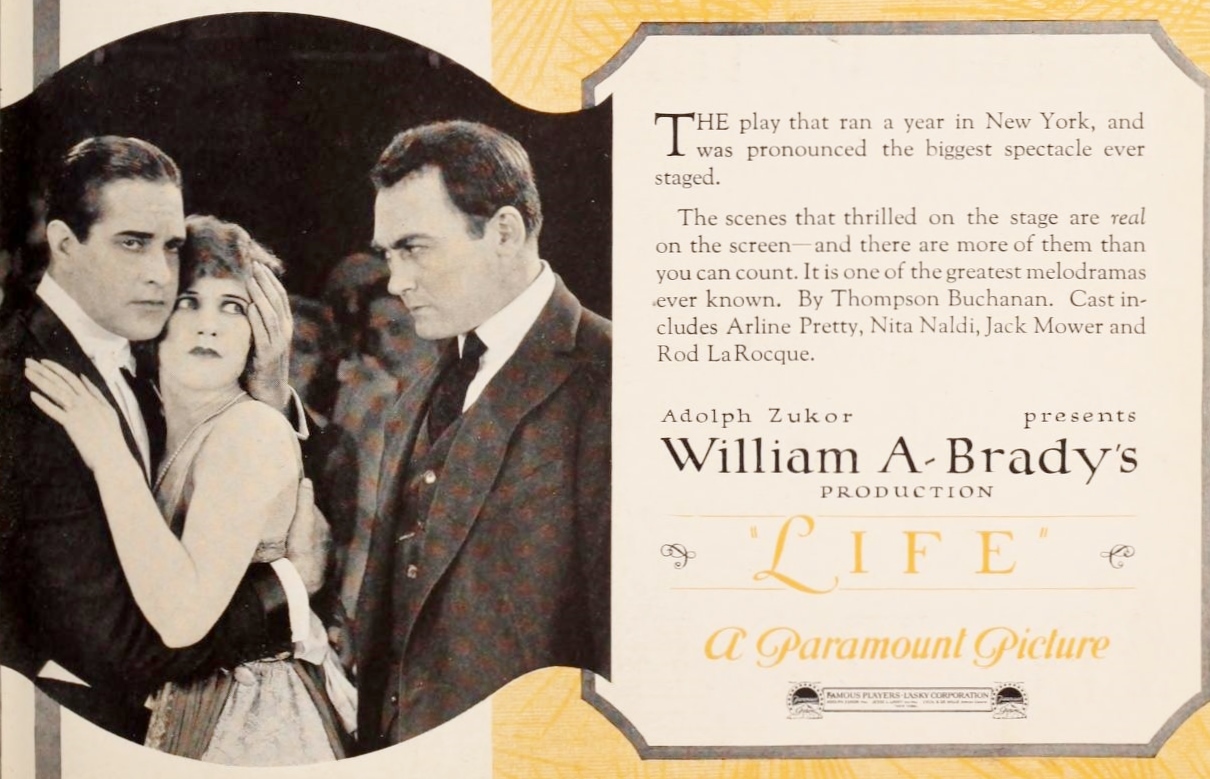
In the wake of a world-altering conflict, society grappled with profound questions of purpose and morality, and Life's Greatest Question dives headfirst into this existential exploration. This poignant drama follows a young man's spiritual and ethical awakening as he confronts a monumental choice that will define his future and impact those he loves most. The film masterfully uses close-ups to convey inner turmoil and subtle gestures to articulate complex emotions, proving that silent cinema could tackle profound philosophical themes with grace and depth. It’s a timeless narrative about self-discovery, sacrifice, and the enduring human quest for meaning, making it particularly resonant for anyone pondering their own path in life.
Read full review of Life's Greatest Question
Transporting audiences to an exotic, perhaps fictional, land, Bavu is a mesmerizing tale of romance, danger, and cultural clash. The film weaves an intricate tapestry of political intrigue and passionate love against a visually stunning backdrop, showcasing the silent era's ability to create immersive worlds without spoken dialogue. The protagonist, a resourceful outsider, finds himself caught between warring factions and a forbidden love, leading to dramatic confrontations and breathtaking escapes. Its lavish set designs and elaborate costumes speak to the era's growing sophistication in production values, while the universal themes of desire, loyalty, and the struggle for freedom ensure its appeal endures. Bavu is a prime example of silent cinema's capacity for grand-scale storytelling.
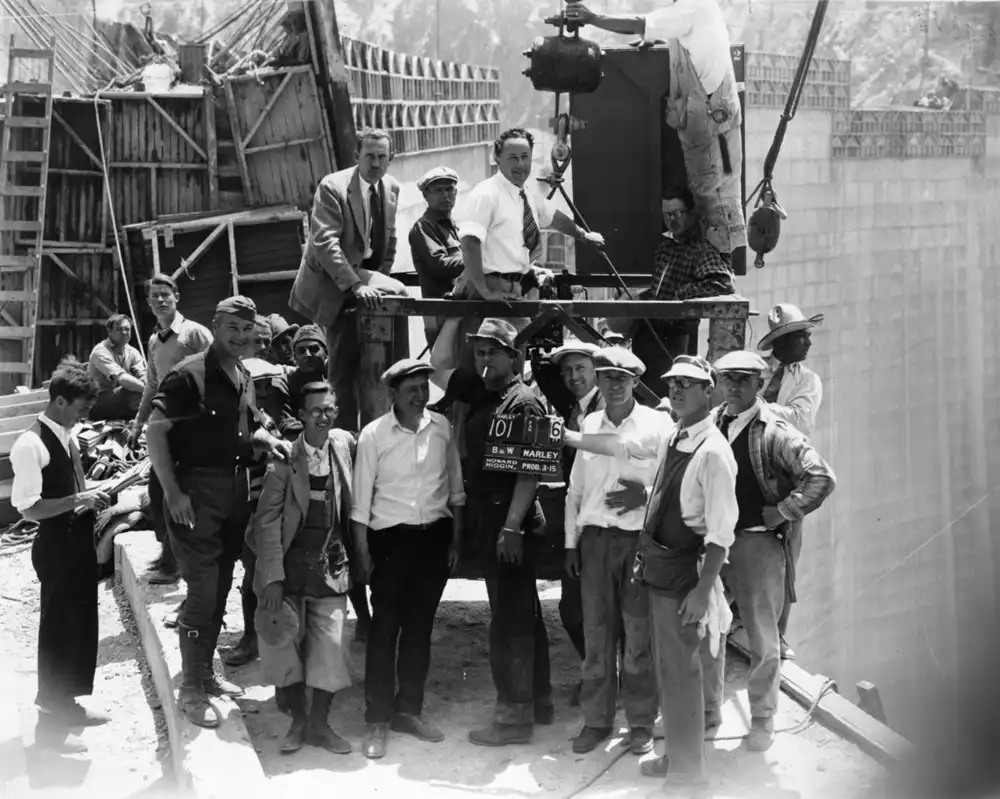
Amidst the serious dramas and wartime propaganda of 1918, Too Fat to Fight emerges as a delightful and much-needed comedic gem. This heartwarming story centers on a young man who desperately wants to serve his country during wartime but is rejected due to his physique. Undeterred, he sets out to prove his worth in other, often hilariously clumsy, ways. The film is a masterclass in physical comedy, utilizing clever sight gags and expressive pantomime to evoke laughter and sympathy. Beyond the humor, it's a poignant exploration of patriotism, self-acceptance, and the idea that courage comes in many forms, reminding us that true heroism isn't always found on the battlefield. A refreshing and timeless comedy that still charms audiences today.
Read full review of Too Fat to Fight
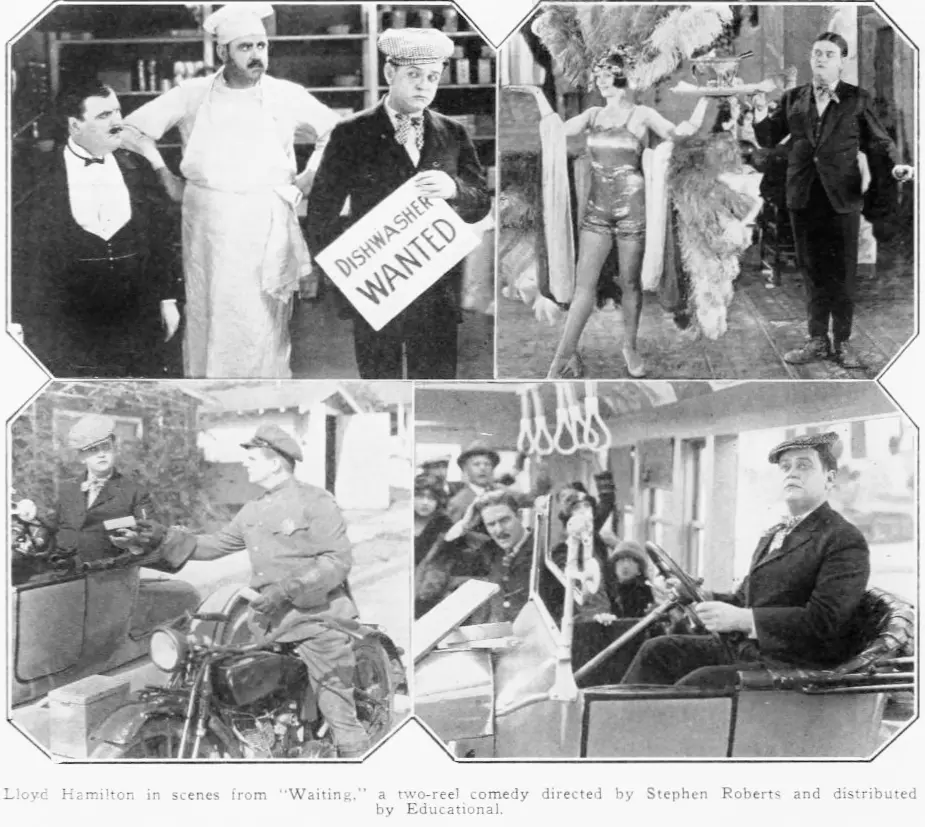
As the silent era neared its end, films like Desperate Courage pushed the boundaries of visual storytelling, offering gritty realism and intense dramatic tension. This late-era silent film is a raw and powerful depiction of a man pushed to his limits, forced to make impossible choices to protect his family and clear his name. Set in a rugged, unforgiving landscape, the film features breathtaking cinematography that emphasizes the isolation and struggle of its characters. The narrative is a relentless journey of survival, marked by thrilling chases, dramatic showdowns, and moments of profound emotional resonance. It's a testament to the silent film industry's growth in sophistication and its ability to convey complex narratives without a single word spoken.
Read full review of Desperate Courage
Step into the thrilling world of competitive sports and personal ambition with The Title Holder. This compelling drama captures the intensity of a championship bout, not just in the ring but also in the lives of those aspiring to greatness. The film follows a young, determined boxer from humble beginnings as he fights his way to the top, confronting rivals, overcoming personal demons, and navigating the temptations of fame. It’s a classic underdog story, told with impressive realism for its time, highlighting the physical and emotional toll of striving for excellence. The dynamic camerawork during the fight sequences was particularly innovative, immersing the audience in the action and creating a palpable sense of excitement and tension.
Read full review of The Title Holder
A deeply moving melodrama, Pain as You Enter explores themes of suffering, resilience, and the redemptive power of love. The film centers on a protagonist who endures immense personal tragedy and loss, facing a gauntlet of emotional and physical challenges. Through a series of heart-wrenching vignettes, the audience witnesses the character's journey through grief, despair, and ultimately, a glimmer of hope. The performances are incredibly nuanced, relying on subtle facial expressions and body language to convey profound emotional states. It’s a powerful reminder of the human spirit's capacity to endure and find solace even in the darkest of times, making it a profound and unforgettable viewing experience for those who appreciate character-driven narratives.
Read full review of Pain as You Enter
In the bustling post-war economy, a keen mind for numbers could lead to power or peril, as expertly demonstrated in An Eye for Figures. This intriguing mystery-drama follows a brilliant but unassuming accountant who stumbles upon a vast financial conspiracy. As he delves deeper, he finds himself embroiled in a dangerous game of cat and mouse, where his only weapon is his intellect. The film masterfully builds suspense through visual clues, subtle character interactions, and a growing sense of paranoia. It’s a surprisingly modern take on corporate espionage and the quiet heroism of the everyday person, showcasing how the silent era could deliver intricate plots and engaging puzzles without uttering a single word. A true intellectual thriller of its time.
Read full review of An Eye for Figures
The Test of Donald Norton is a compelling character study that delves into the moral complexities faced by its eponymous protagonist. Set against a backdrop of societal expectations and personal desires, Donald Norton finds himself at a crossroads, forced to make a decision that will challenge his integrity and redefine his relationships. The film expertly uses visual storytelling to portray the internal struggles of its characters, highlighting the subtle nuances of human emotion and conflict. It’s a powerful exploration of honesty, loyalty, and the often-difficult path to doing what is right, even when it comes at a great personal cost. This film stands as a testament to the silent era's ability to craft deeply psychological and morally engaging narratives that continue to resonate with modern audiences.
Read full review of The Test of Donald Norton
These ten films are more than just footnotes in cinematic history; they are vibrant, emotionally rich narratives that prove the universal language of film existed long before synchronized sound. From the raw emotion of Vengeance to the spirited humor of Too Fat to Fight, and the gripping suspense of An Eye for Figures, each movie offers a unique glimpse into the ingenuity and artistry of early cinema. Rediscovering these silent masterpieces is not just an act of historical appreciation; it's an opportunity to connect with powerful stories that transcend time and technology. So, dim the lights, silence your phone, and let the echoes of an unforgettable era captivate your imagination.