
DbcultAccessing Vault...
Film History
Archivist John
Senior Editor
Modern cult cinema is obsessed with the 'Eat the Rich' trope and the survivalist desperation of the underclass. We look at films like Parasite or The Menu and think we are witnessing a contemporary awakening. We aren't. The DNA of this financial paranoia was mapped out over a century ago in the flickering, gaslit frames of the silent era. Before the Hays Code sanitized the screen, cinema was a brutal mirror of the 'Financial Gothic'—a subgenre where the monster wasn't a vampire or a ghost, but the ledger, the creditor, and the social climb. These films didn't just depict poverty; they depicted the soul-crushing mechanism of the debt trap with a cold, almost clinical cruelty that today's directors are still trying to replicate.
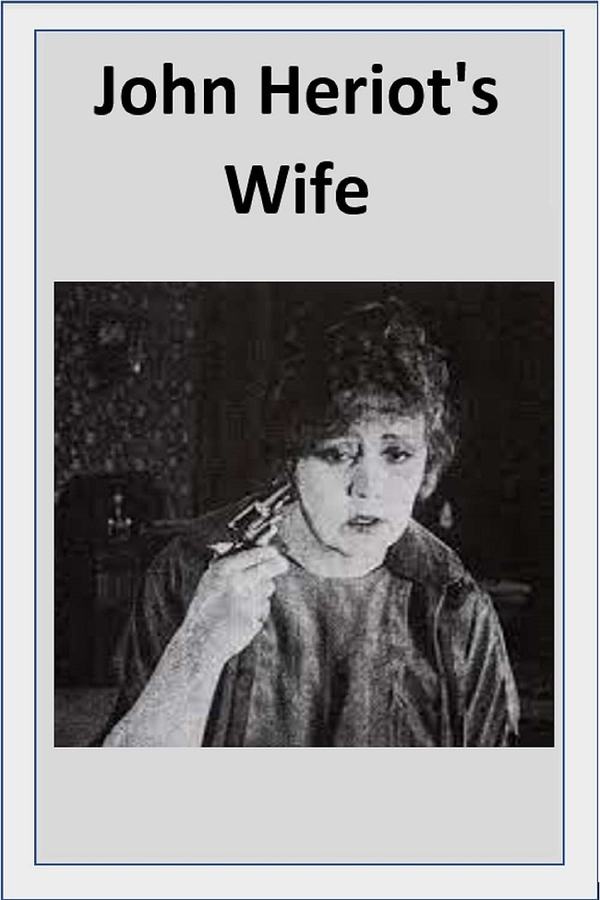
In the 1910s and 20s, the usurer was the ultimate antagonist. Take A Prince in a Pawnshop (1916). On the surface, it’s a character study of David Solomon, a banker who plays a dual role: a merciless reaper to the wealthy and a saint to the poor. But look closer at the visual language. The pawnshop isn't just a place of business; it’s a liminal space where lives are bartered for scraps. The way the camera lingers on the dusty trinkets of the desperate creates an atmosphere of stagnant rot. It’s the same energy found in John Heriot's Wife (1920), where a usurer cancels a woman's debt only in exchange for a devastating secret. In these films, money is never just currency; it is a spiritual contract, often signed in blood or shame.
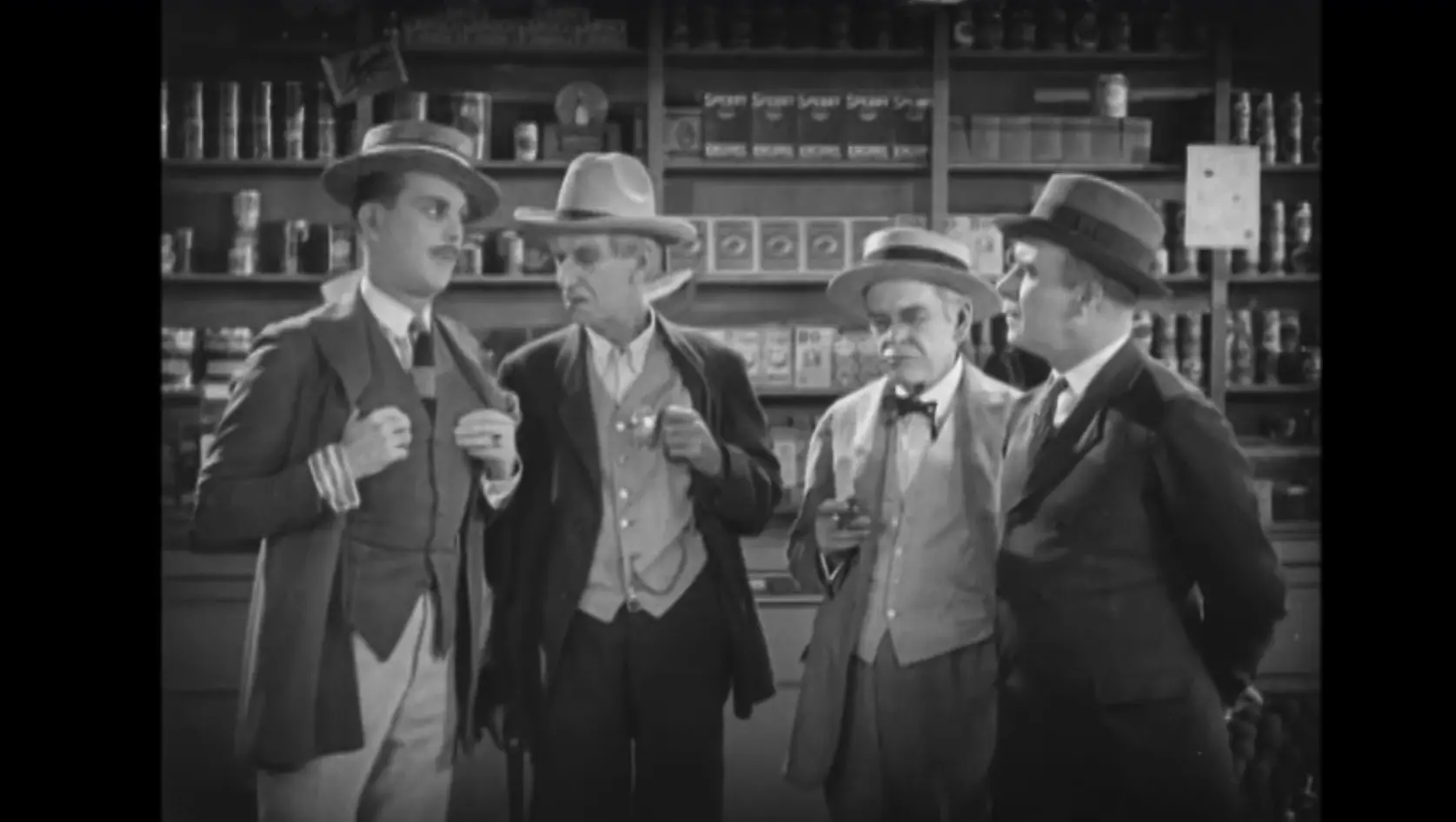
The 1920s audience understood this visceral horror. They lived in an era before the safety nets of the New Deal, where one bad investment meant total erasure. The Climbers (1919) captures this perfectly. When George Hunter’s stock market gambles fail, the film doesn't just show a bank balance hitting zero; it shows the total collapse of a man's identity. The visual transition from the high-society glitz to the literal and figurative darkness of ruin is as terrifying as any German Expressionist nightmare. My first debatable opinion: The Climbers is a more effective horror film than Nosferatu because its vampire is the invisible hand of the market, and you can't drive a stake through a stock market crash.
If debt was the curse, the social climb was the psychosis. Silent cinema was fascinated by the 'cad' and the 'climber'—figures who would hollow out their own lives to maintain an image. In Mrs. Thompson (1919), we see a shopkeeper’s daughter marry a man who is essentially a sentient void. He ruins her business, not through some grand villainy, but through the mundane, repetitive act of being a 'cad.' This isn't just a melodrama; it’s an early exploration of the parasitic relationship between the working class and those desperate to appear 'above' it. The film uses the retail space—the shop—as a site of encroaching decay, a precursor to the mall-horror we would see decades later in Romero's work.
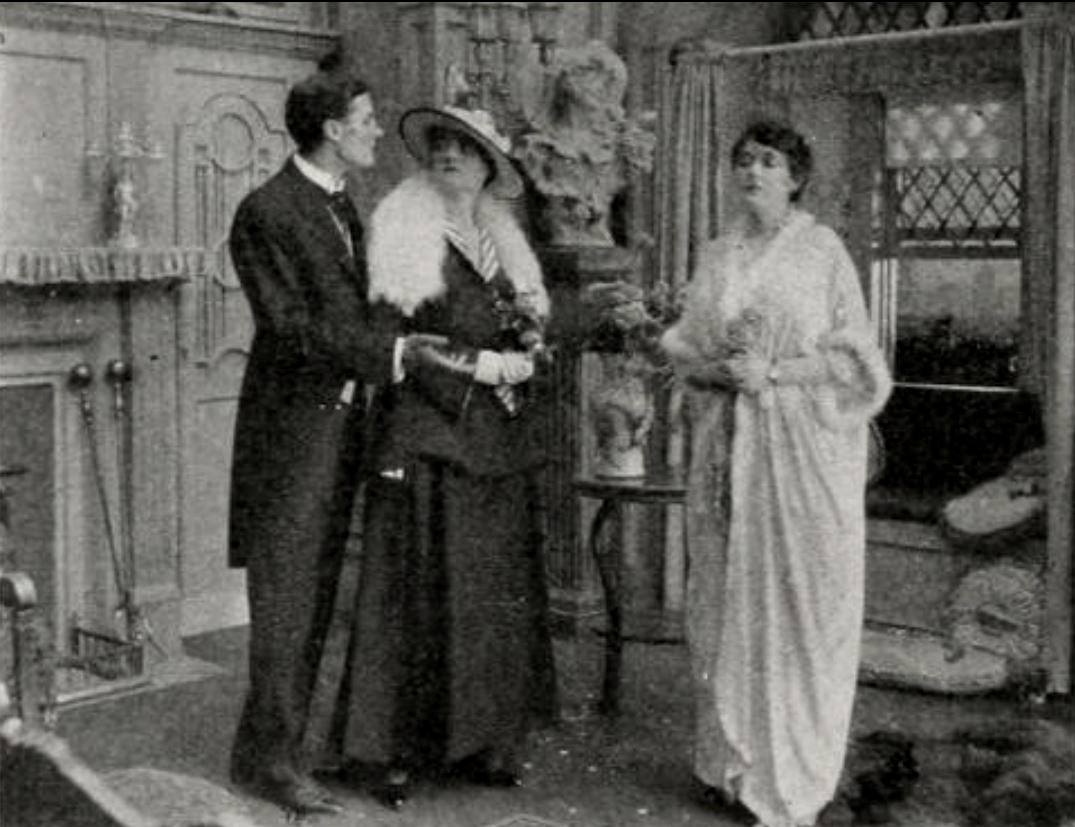
The 'climber' archetype reached its peak in The Beautiful Cheat (1926). While framed as a comedy-drama, there is something deeply unsettling about a shop girl being 'manufactured' into a European aristocrat for publicity. It touches on the malleability of identity in a capitalist framework. It suggests that the self is just another product to be branded and sold. This theme of 'stolen skin' or manufactured identity is a cornerstone of cult cinema, from Eyes Without a Face to Under the Skin. The silent era got there first, using the lens of financial mobility to show how easily the human soul is edited for the sake of a better price tag.
While the drawing rooms were falling apart, the factories were becoming the new cathedrals of cult anxiety. Fire and Steel (1927) is often dismissed as a standard action-drama, but its use of the steel mill as a primary locale is significant. The machinery is massive, oppressive, and indifferent. When Terry O'Farrell performs his rescues, he isn't just fighting a villain; he is navigating an environment that is designed to consume human labor. The visual rhythm of the mill—the sparks, the molten metal, the heavy shadows—creates an 'Industrial Gothic' that predates David Lynch’s Eraserhead by half a century.
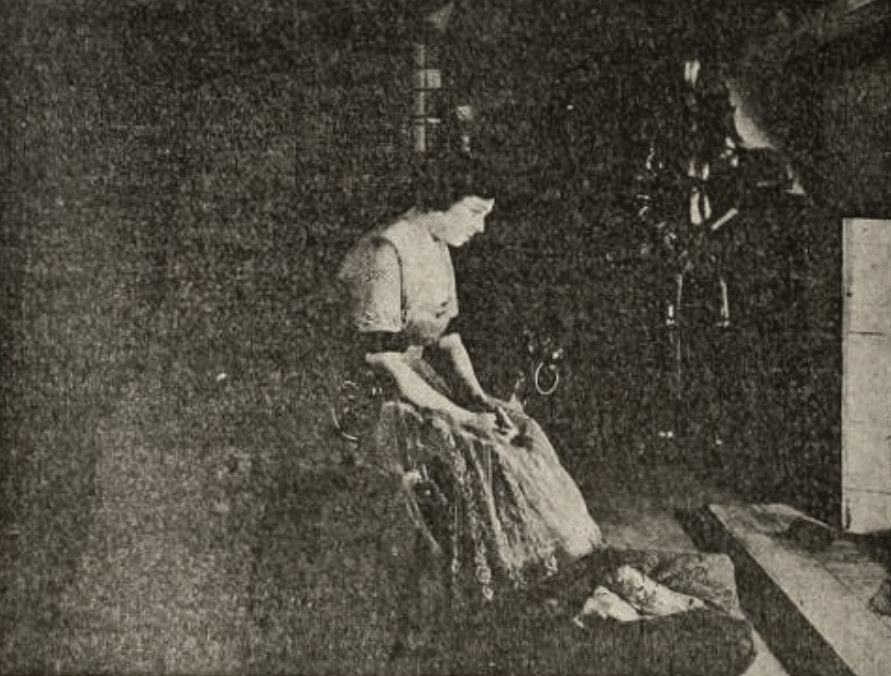
"The steel mill in silent cinema wasn't just a backdrop; it was the first iteration of the 'Machine-God' that would later dominate cyberpunk and industrial cult films. It was the physical manifestation of an economy that demanded sacrifice."
This obsession with the physical reality of work—and the danger it posed to the body—was a recurring theme. Even in comedies like The Rookie's Return (1920), the soldier's struggle to make a living after his discharge is played for laughs, but the underlying tension is real. When he inherits money, his troubles only multiply, suggesting that in this new industrial world, neither work nor wealth offers true safety. There is a nihilism in these films that modern audiences often overlook because of the 'silent' label. We assume silence means simplicity. In reality, the absence of dialogue forced directors to emphasize the weight of the environment, making the factory floor feel like a prison and the office feel like a tomb.
If the factory broke the body, the legal system broke the spirit. His Robe of Honor (1918) presents a protagonist who is a 'dishonest attorney' specializing in phony jurors. This is a cynical, sharp-edged look at the rot within the judiciary. The idea that justice is a commodity to be bought and sold isn't new, but the way 1910s cinema handled it was remarkably frank. Julian Randolph is offered a judgeship if he clears a politician’s brother of murder. The film doesn't treat this as an anomaly; it treats it as the standard operating procedure of power. This cynicism is the bedrock of the 'Paranoia Thriller' cult subgenre of the 70s.
We see a similar thread in Hidden Charms (1919), where a crooked politician opposes a marriage for his own gain. The recurring motif in these films is the 'Mask of Respectability.' Whether it’s a judge’s robe or a politician’s suit, the garment is used to hide a predatory nature. This brings me to my second debatable opinion: The 1920s legal drama is the true ancestor of the slasher film. Instead of a masked killer with a knife, you have a robed judge with a gavel, and the 'final girl' is usually a woman like Ellen Linden in Any Woman (1925), who must navigate a world of bankrupt fathers and secretarial exploitation just to survive. The stakes are just as high, and the villains are just as relentless.
For the truly weird, we have to look at The West Case (1920), an episode from a mystery series that involves an inventor collapsing into a 'strange narcoleptic state' after an invasion of his home. While ostensibly a crime thriller, it highlights a recurring trope in silent cult cinema: the loss of agency. The protagonist isn't just being robbed; he is being rendered unconscious, unable to witness his own violation. This sense of powerlessness in the face of an unseen, perhaps international threat (the 'china-men' of the pulp era) reflected the xenophobia and global anxiety of the time, but it also functioned as a metaphor for the individual’s inability to stop the 'theft' of their future by larger, uncontrollable forces.
Finally, we must address the most transgressive element of the Silent Financial Gothic: the use of psychological trauma as a 'cure' for class-based rebellion. The Millionaire Cowboy (1924) is a deeply disturbing film when viewed through a modern lens. A wealthy father, disgusted by his son’s 'convivial habits' (i.e., his refusal to be a productive capitalist), fakes a murder and tells the son he killed a taxi driver. He then 'helps' the son escape, effectively traumatizing him into sobriety and responsibility. This is gaslighting as a parenting technique, and it’s portrayed as a positive outcome.
This film exposes the dark heart of the era's morality. It suggests that the only way to preserve the wealth of the patriarch is to break the spirit of the next generation through a grand, staged lie. It’s the same 'manufactured reality' we see in cult classics like The Game or The Truman Show. The father in The Millionaire Cowboy is a proto-director, staging a horrific drama to force a specific behavioral change. It is a cynical, manipulative, and ultimately terrifying vision of how power maintains itself. If you want to understand why cult cinema is so obsessed with the 'staged world' or the 'conspiracy of the elite,' look no further than this 1924 western-drama hybrid.
The silent era was not a time of innocence. It was a time of immense transition, where the old world of landed gentry was being violently replaced by the new world of finance and industry. The 'Financial Gothic' films of this period—A Prince in a Pawnshop, The Climbers, Fire and Steel—were the first to document the horror of this new reality. They gave us the archetypes we still use today: the merciless usurer, the hollow social climber, the indifferent machine, and the corrupt judge.
We shouldn't watch these films as historical curiosities. We should watch them as warnings. They show us that the anxieties we feel today about debt, identity, and class are not new. They are the foundational fears of the modern age. The next time you watch a cult film about a survivalist game or a wealthy family’s dark secrets, remember that a hundred years ago, a silent actor was already staring into the camera with that same look of debt-ridden terror. The ledger has always been written in blood; we’ve just changed the font.