
DbcultAccessing Vault...
Director's Spotlight
Senior Film Conservator
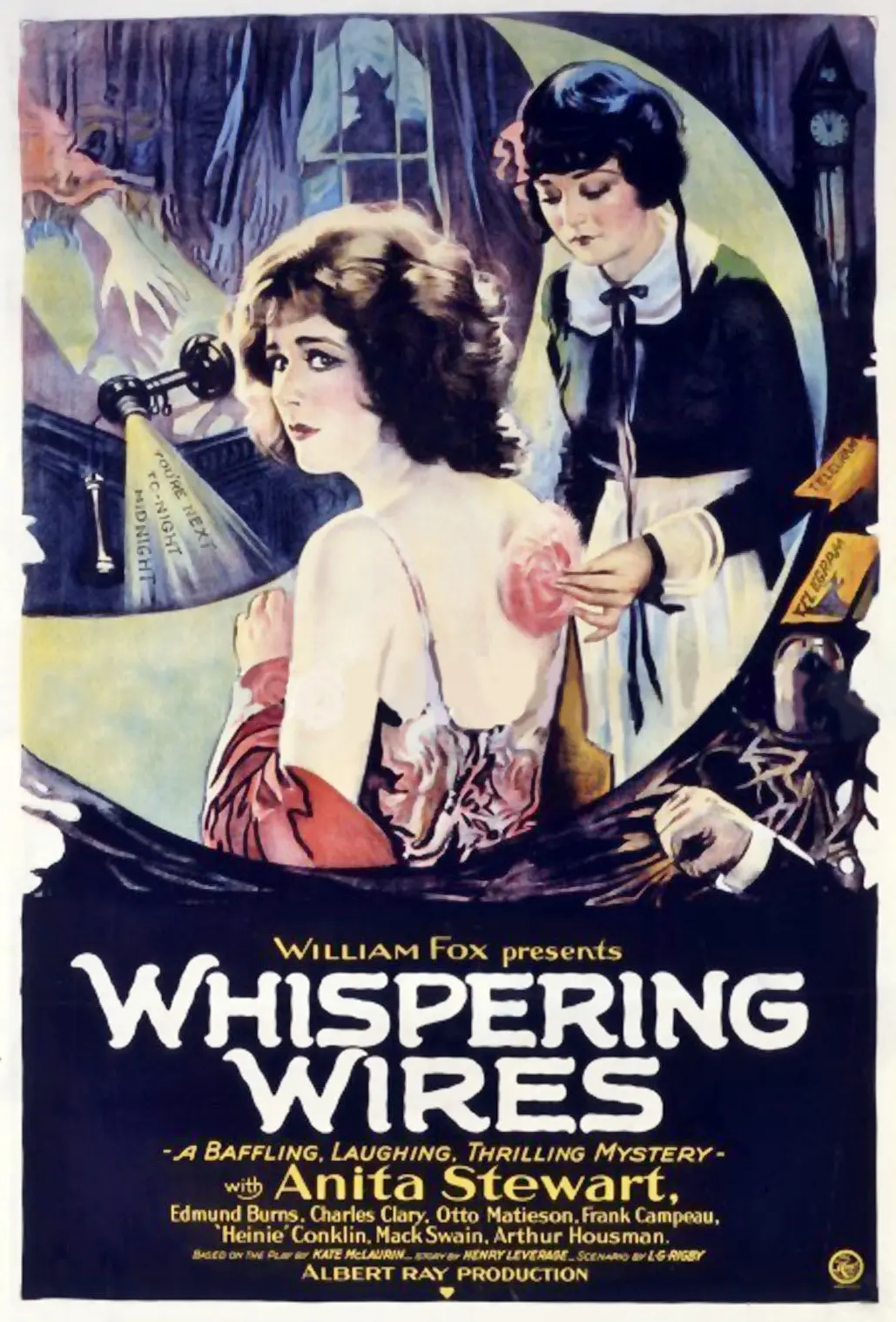
Director's Spotlight: United States
A Deep Dive into the 1926 Vision of Albert Ray
The 1926 release of Whispering Wires marked a significant moment for the stylistic boundaries pushed by Albert Ray during the production. In the context of United States's rich cinematic history, it invites us to question our own perceptions of Mystery narratives.
In Whispering Wires, Albert Ray pushes the boundaries of conventional narrative. The film's unique approach to its subject matter has sparked endless debates and interpretations among cinephiles and critics alike.
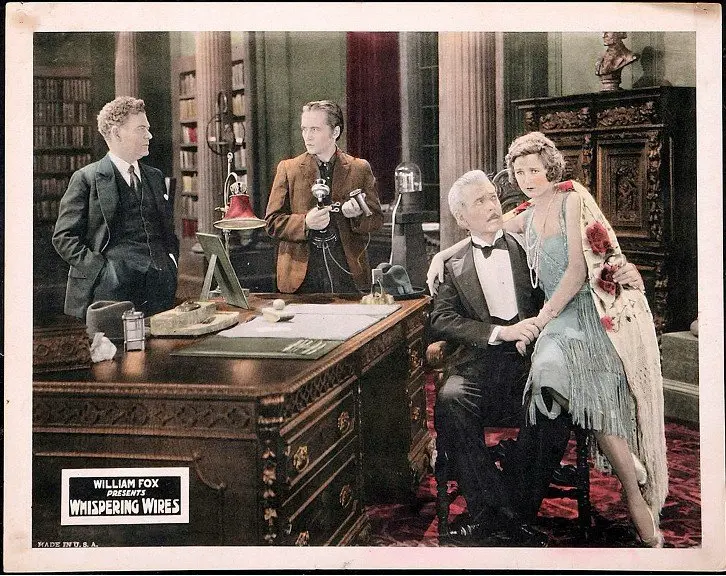
While deeply rooted in United States, Whispering Wires has achieved a global reach, influencing directors from various backgrounds. Its ability to translate Mystery tropes into a universal cinematic language is why it remains a cult staple decades after its 1926 release.
| Cinematography | Static |
| Soundtrack | Diegetic |
| Editing | Elliptical |
| Art Direction | Expressionist |
Visualizing the convergence of Albert Ray's style and the core Mystery narrative.
A whispering voice over the telephone foretells a murder to occur at a specified time. Another occurs on schedule. The heroine, Doris Stockbridge, is then threatened, but she is saved through the ingenuity of her sweetheart, Barry, who, with the help of Cassidy and McCarthy, two boob detectives, uncovers the diabolical scheming of an ex-convict and his inventor pal, both of whom are seeking revenge. A bloodhound is called in, and the villains are tracked down with alternately thrilling and comic sequences.
Decades after its release, Whispering Wires remains a vital piece of the cinematic puzzle. Its influence can be seen in countless modern works, solidifying Albert Ray's status as a master of the craft in United States and beyond.