
DbcultAccessing Vault...
Director's Spotlight
Senior Film Conservator
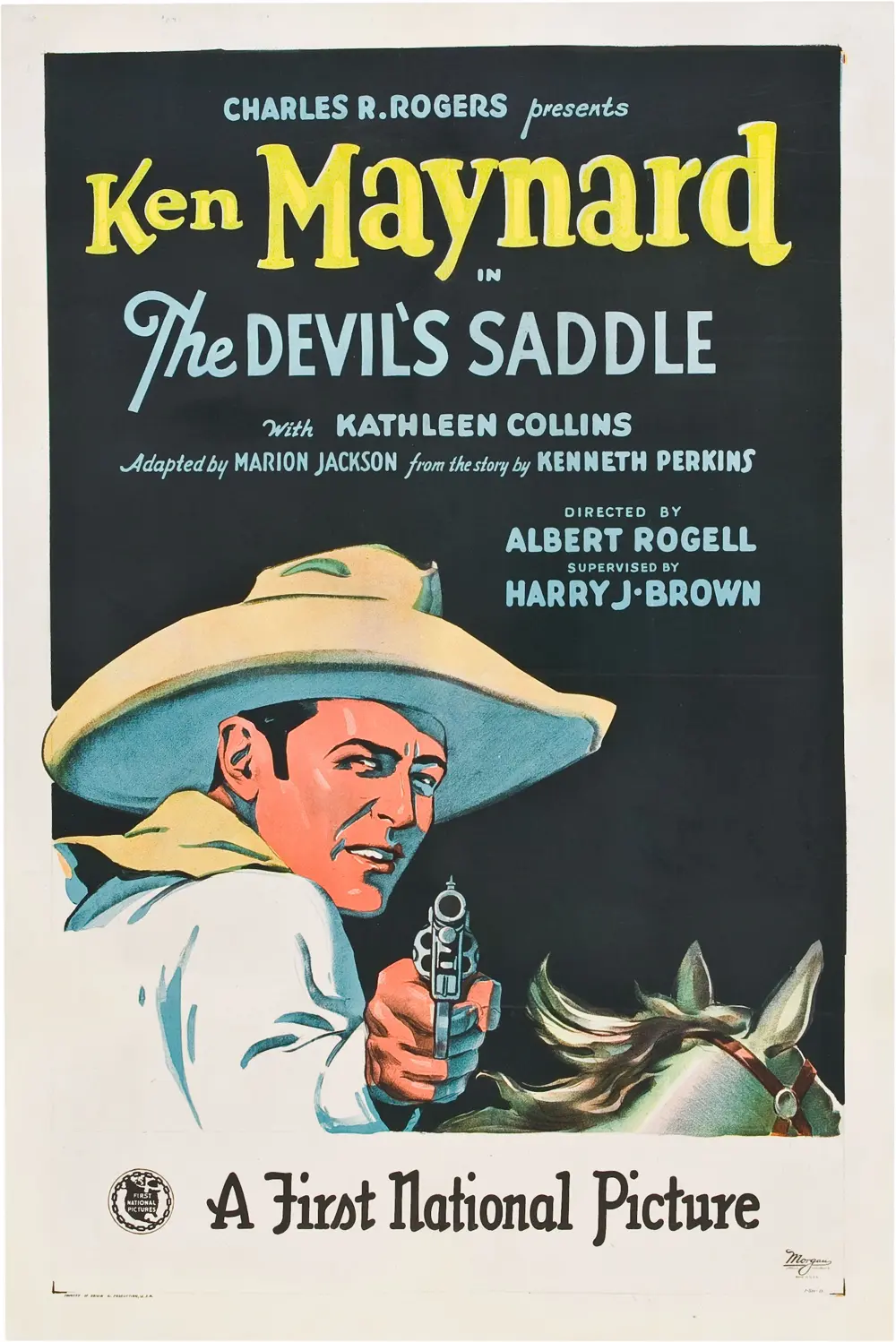
Director's Spotlight: United States
A Deep Dive into the 1927 Vision of Albert S. Rogell
As a cultural artifact of the 1927s, The Devil's Saddle provides the visionary mind of its creator, Albert S. Rogell. With its avant-garde structure and atmospheric tension, it redefined what audiences could expect from a Western experience.
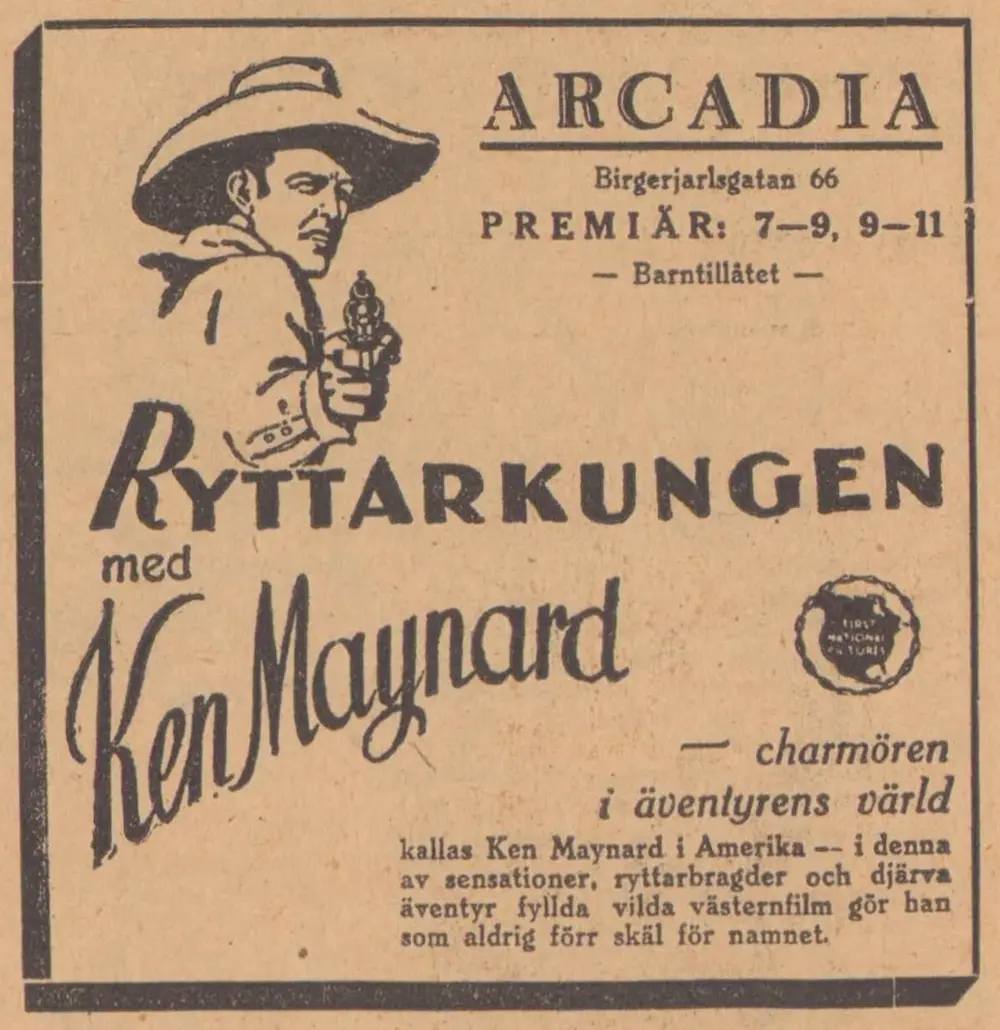
In The Devil's Saddle, Albert S. Rogell pushes the boundaries of conventional narrative. The film's unique approach to its subject matter has sparked endless debates and interpretations among cinephiles and critics alike.
| Cinematography | Deep Focus |
| Soundtrack | Diegetic |
| Editing | Elliptical |
| Art Direction | Expressionist |
Visualizing the convergence of Albert S. Rogell's style and the core Western narrative.
Concerns the early lives of Hopi Indians. Evolves around the invasion of their lands by prospectors. Harry is the center of plot of gang of lawless whites to convince Indians he killed one of their number; he finally clears himself. The strongest situations are those near the end where Harry corners the villain, hog-ties him and delivers him to the Indians ... the Indians are seen setting fire to Harry's father's home in revenge for the father's failure to punish Harry whom they had thought guilty of the murder; they had demanded the same law for the whites as for the Indians.
Decades after its release, The Devil's Saddle remains a vital piece of the cinematic puzzle. Its influence can be seen in countless modern works, solidifying Albert S. Rogell's status as a master of the craft in United States and beyond.