
DbcultAccessing Vault...
Director's Spotlight
Senior Film Conservator
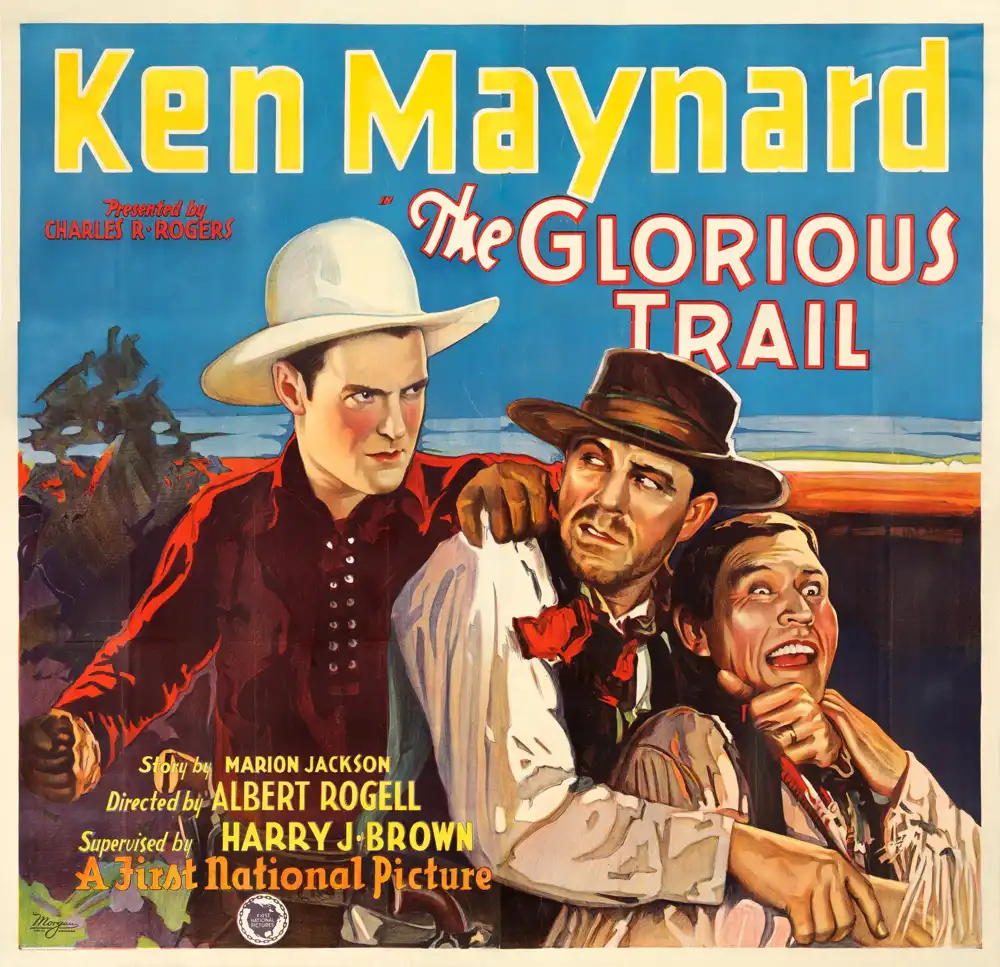
Director's Spotlight: United States
A Deep Dive into the 1928 Vision of Albert S. Rogell
Witnessing the stylistic transformation of Drama through The Glorious Trail reveals the provocative questions that Albert S. Rogell poses to the United States audience. Exploring the nuances of the human condition with Drama flair, it showcases the power of Drama as a tool for social commentary.
In The Glorious Trail, Albert S. Rogell pushes the boundaries of conventional narrative. The film's unique approach to its subject matter has sparked endless debates and interpretations among cinephiles and critics alike.
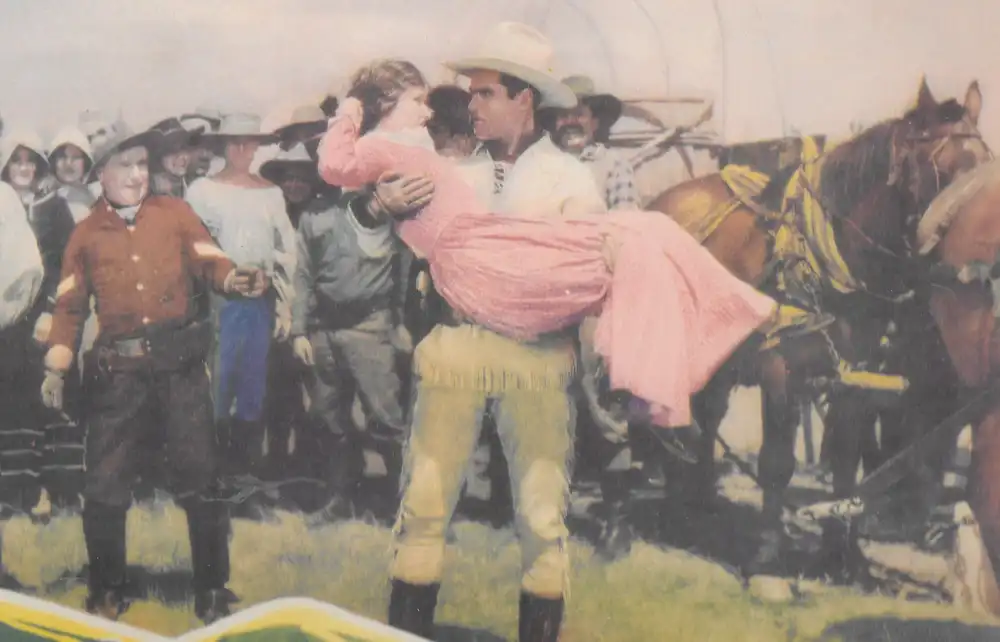
To fully appreciate The Glorious Trail, one must consider the cinematic climate of 1928. During this period, United States was undergoing significant artistic shifts, and Albert S. Rogell was at the forefront of this Drama movement, often challenging established norms.
| Cinematography | Noir-Inspired |
| Soundtrack | Experimental |
| Editing | Elliptical |
| Art Direction | Expressionist |
Visualizing the convergence of Albert S. Rogell's style and the core Drama narrative.
Pat O'Leary (Ken Maynard) is the construction foreman supervising the completion of a telegraph line and does so despite the efforts of Gus Lynch (Frank Hagney), a trading post owner, who has an agenda of his own to see that it isn't completed, and stirs up Indian uprisings and turmoil and havoc by his gang of motley henchmen to ensure his agenda.
Decades after its release, The Glorious Trail remains a vital piece of the cinematic puzzle. Its influence can be seen in countless modern works, solidifying Albert S. Rogell's status as a master of the craft in United States and beyond.