
DbcultAccessing Vault...
Director's Spotlight
Senior Film Conservator
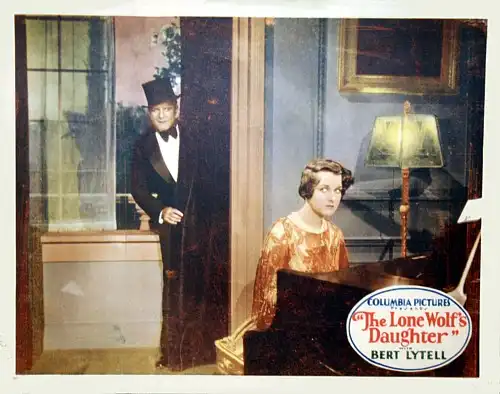
Director's Spotlight: United States
A Deep Dive into the 1929 Vision of Albert S. Rogell
Deciphering the layers of The Lone Wolf's Daughter (1929) reveals the complex thematic architecture established by Albert S. Rogell. Utilizing a 1929-specific aesthetic that remains timeless, it stands as the definitive 1929 statement on Crime identity.
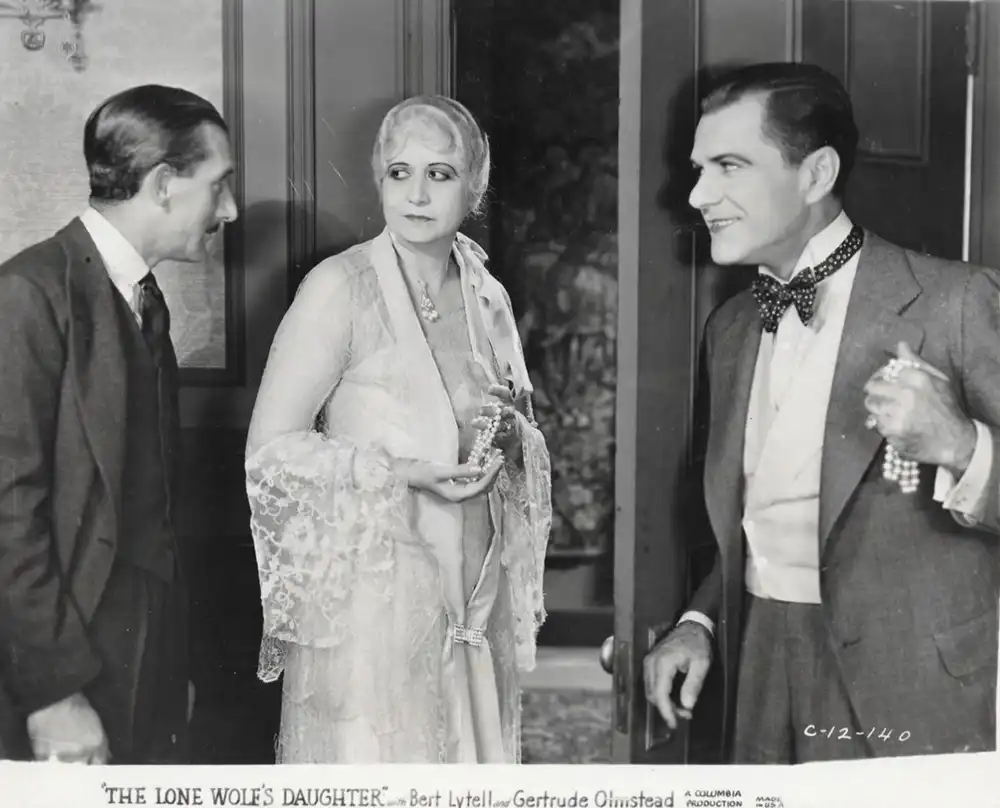
In The Lone Wolf's Daughter, Albert S. Rogell pushes the boundaries of conventional narrative. The film's unique approach to its subject matter has sparked endless debates and interpretations among cinephiles and critics alike.
| Cinematography | Handheld |
| Soundtrack | Synth-Heavy |
| Editing | Disjunctive |
| Art Direction | Baroque |
Visualizing the convergence of Albert S. Rogell's style and the core Crime narrative.
Michael Lanyard, a reformed cracks-man, adopts Adrienne, the daughter of an old friend, and goes to Southampton to attend a party celebrating her engagement to Bobby Crenshaw, the son of a wealthy society couple. The Count and Countess Polinac, international jewel thieves, also attend the party, and Count Polinac forces Lanyard to open the safe containing the jewelry of the guests by threatening to expose Lanyard's criminal past. Lanyard forestalls the count, however, and protects the valuables. The count and countess are arrested, and Michael's secret is kept safe.
Decades after its release, The Lone Wolf's Daughter remains a vital piece of the cinematic puzzle. Its influence can be seen in countless modern works, solidifying Albert S. Rogell's status as a master of the craft in United States and beyond.