
DbcultAccessing Vault...
Director's Spotlight
Senior Film Conservator
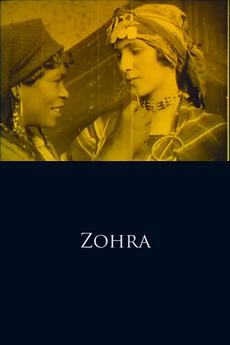
Director's Spotlight: Tunisia
A Deep Dive into the 1922 Vision of Albert Samama Chikly
Analyzing Zohra (1922) requires a deep dive into the unique directorial voice that Albert Samama Chikly brought to the screen. By challenging the status quo of 1922 cinema, it continues to spark endless debates among critics and cinephiles alike.
In Zohra, Albert Samama Chikly pushes the boundaries of conventional narrative. The film's unique approach to its subject matter has sparked endless debates and interpretations among cinephiles and critics alike.
| Cinematography | Static |
| Soundtrack | Experimental |
| Editing | Elliptical |
| Art Direction | Expressionist |
Visualizing the convergence of Albert Samama Chikly's style and the core Short narrative.
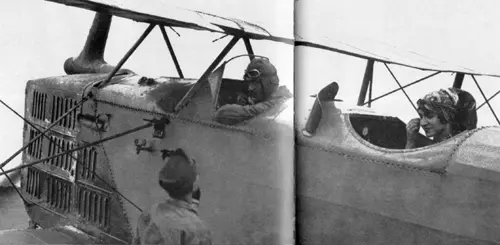
Evolves around a shipwrecked young French woman, who is rescued by Beduins. She lives with the Beduin tribe for a time. She is later abducted by bandits, but is rescued by a French aviator and reunites with her family. Tribal customs are displayed in detail in the film. The movie is seen as an example of the 'mysterious Orient' genre.
Decades after its release, Zohra remains a vital piece of the cinematic puzzle. Its influence can be seen in countless modern works, solidifying Albert Samama Chikly's status as a master of the craft in Tunisia and beyond.