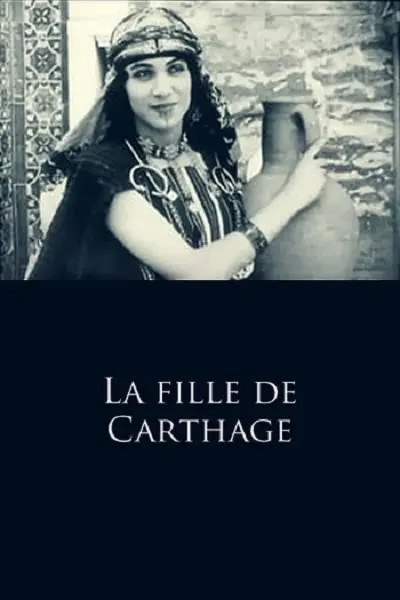
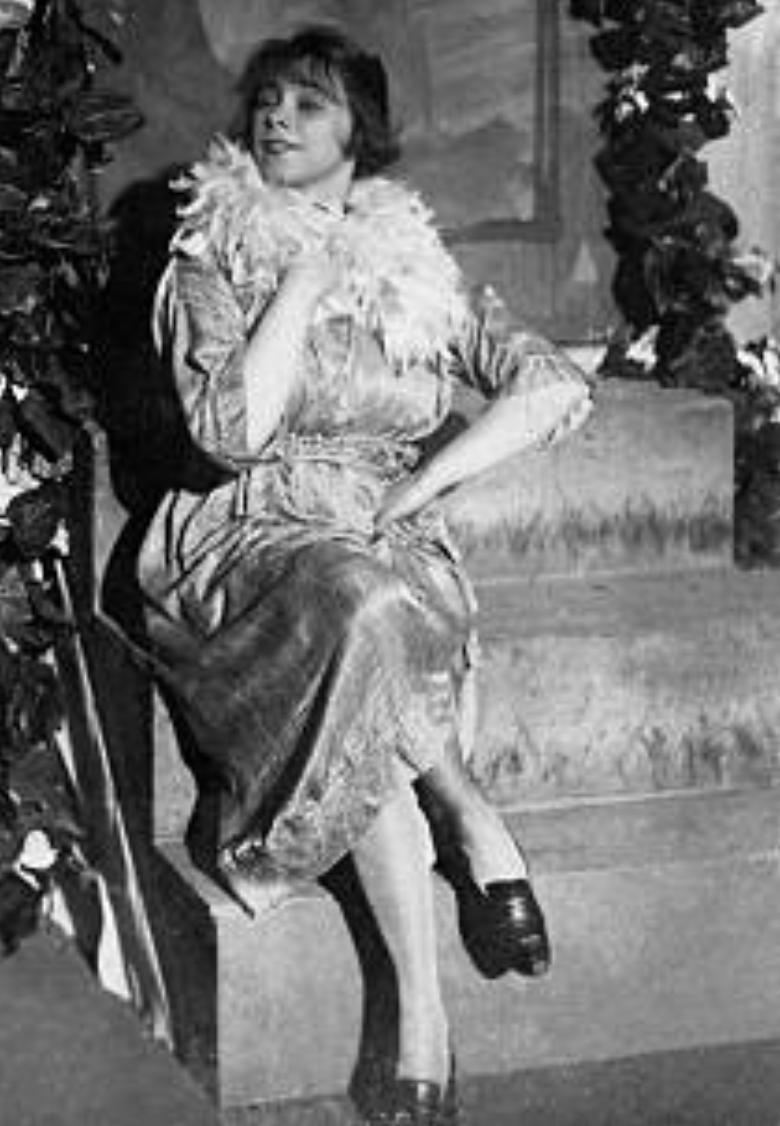
Evolves around a shipwrecked young French woman, who is rescued by Beduins. She lives with the Beduin tribe for a time.
Hayde Chikly
Tunisia
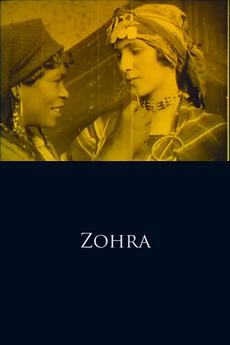
The first thing that strikes you about Zohra is its refusal to speak—no title-card apologia, no ethnographic preface—just the hiss of nitrate and a horizon that quivers like a fever. Hayde Chikly, writing and starring at twenty-three, weaponizes silence: every close-up is an interrogation room where Occidental innocen...
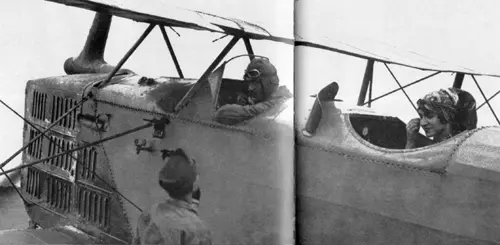
still_frame
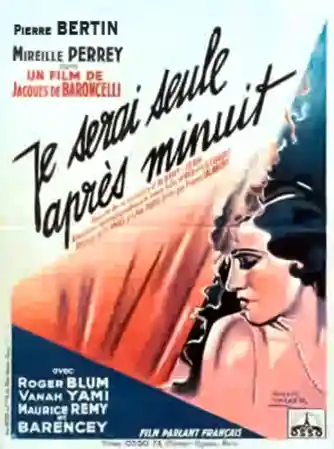
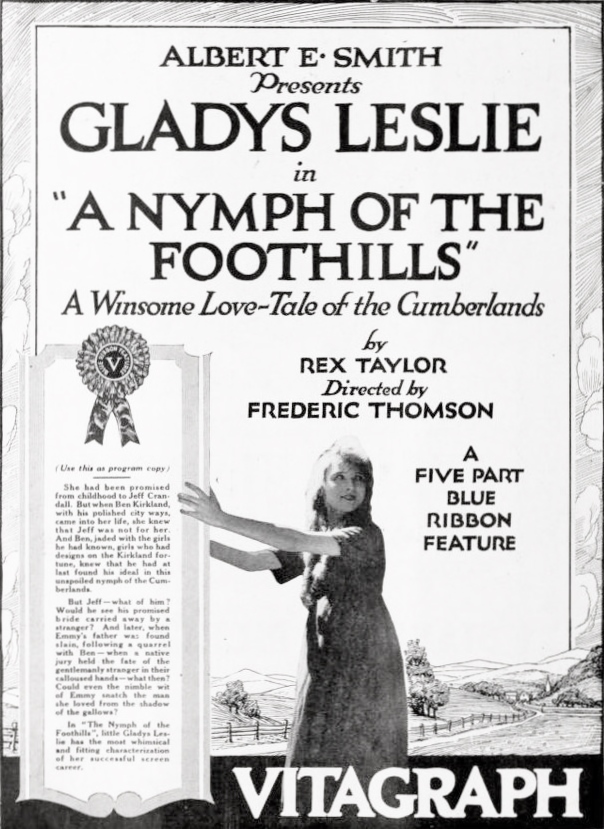
Comparing the cinematic DNA and archive impact of two defining moments in cult history.
Albert Samama Chikly

Richard Smith
Community
Log in to comment.
" The first thing that strikes you about Zohra is its refusal to speak—no title-card apologia, no ethnographic preface—just the hiss of nitrate and a horizon that quivers like a fever. Hayde Chikly, writing and starring at twenty-three, weaponizes silence: every close-up is an interrogation room where Occidental innocence is stripped under kohl-heavy eyes. We open on a yacht party straight from a Manet canvas, parasols twirling like dervish skirts; within seconds a storm conjured by hand-cranked ..."