
DbcultAccessing Vault...
Director's Spotlight
Senior Film Conservator
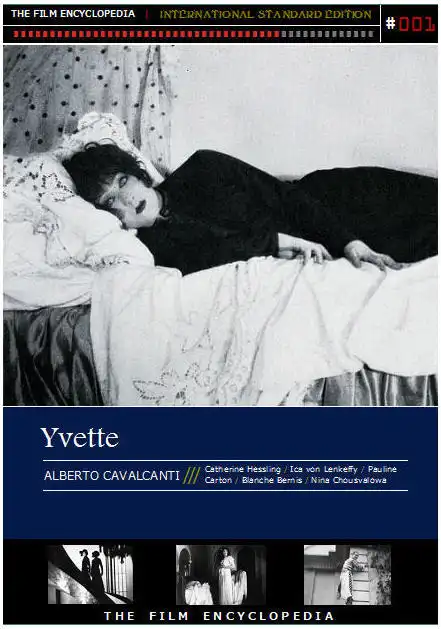
Director's Spotlight: France
A Deep Dive into the 1928 Vision of Alberto Cavalcanti
Few works in France cinema carry the same weight as Yvette, especially regarding the cultural zeitgeist captured so perfectly by Alberto Cavalcanti in 1928. Utilizing a 1928-specific aesthetic that remains timeless, it serves as a blueprint for future generations of Drama directors.
In Yvette, Alberto Cavalcanti pushes the boundaries of conventional narrative. The film's unique approach to its subject matter has sparked endless debates and interpretations among cinephiles and critics alike.
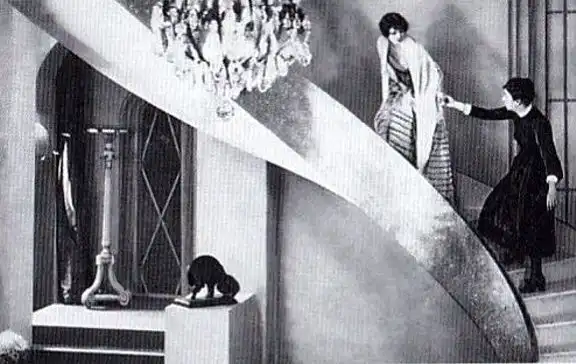
While deeply rooted in France, Yvette has achieved a global reach, influencing directors from various backgrounds. Its ability to translate Drama tropes into a universal cinematic language is why it remains a cult staple decades after its 1928 release.
| Cinematography | Deep Focus |
| Soundtrack | Synth-Heavy |
| Editing | Disjunctive |
| Art Direction | Baroque |
Visualizing the convergence of Alberto Cavalcanti's style and the core Drama narrative.
Paris 1883. Yvette is the daughter of a courtesan who serves men of wealth and status. She is unaware of how her mother makes money and why they are always in the presence of princes, dukes and barons. Only when Yvette goes away on a holiday she realizes that the Banker Saval is engaging her mother in such activities, she suddenly feels dirty.
Decades after its release, Yvette remains a vital piece of the cinematic puzzle. Its influence can be seen in countless modern works, solidifying Alberto Cavalcanti's status as a master of the craft in France and beyond.