
DbcultAccessing Vault...
Director's Spotlight
Senior Film Conservator
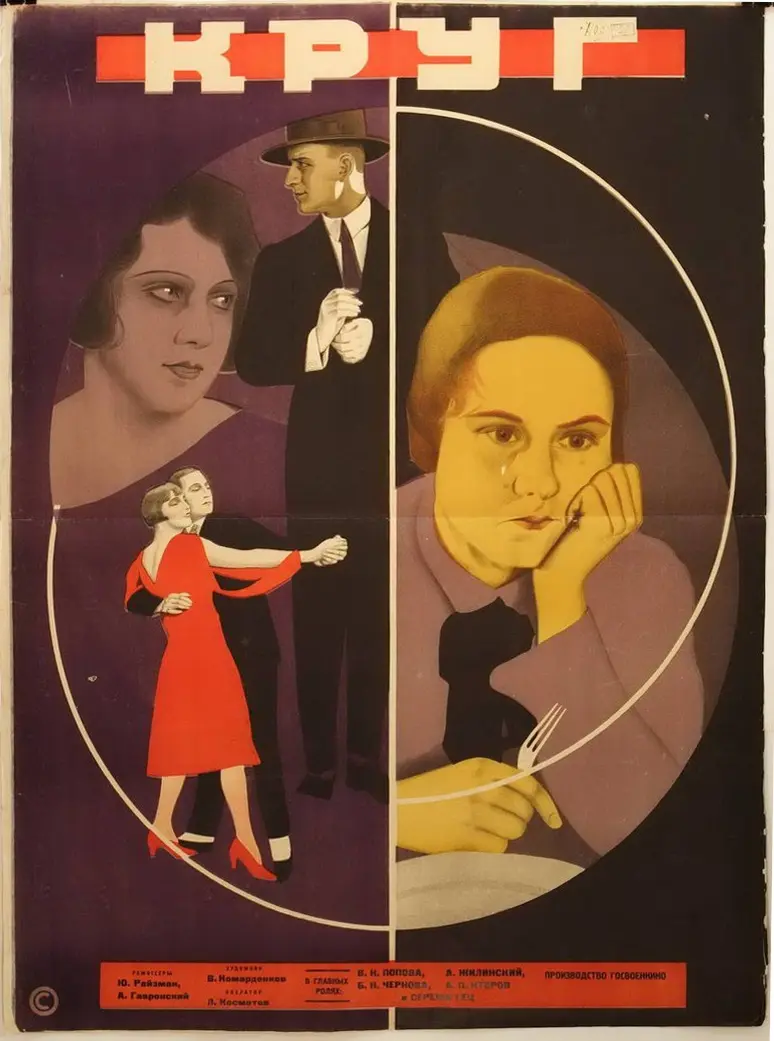
Director's Spotlight: Soviet Union
A Deep Dive into the 1927 Vision of Aleksandr Gavronskiy
The thematic gravity of Krug (1927) is rooted in the historical context that Aleksandr Gavronskiy weaves into the Drama fabric. Synthesizing the best elements of Soviet Union and international cinema, it highlights the importance of independent voices in Soviet Union.
In Krug, Aleksandr Gavronskiy pushes the boundaries of conventional narrative. The film's unique approach to its subject matter has sparked endless debates and interpretations among cinephiles and critics alike.
While deeply rooted in Soviet Union, Krug has achieved a global reach, influencing directors from various backgrounds. Its ability to translate Drama tropes into a universal cinematic language is why it remains a cult staple decades after its 1927 release.
| Cinematography | Handheld |
| Soundtrack | Diegetic |
| Editing | Rhythmic |
| Art Direction | Naturalist |
Visualizing the convergence of Aleksandr Gavronskiy's style and the core Drama narrative.
Set during the New Economic Policy (NEP) era 1921-1928, assistant prosecutor Bersenev is in charge of the case of a certain embezzler Polyansky. Soon it becomes known to Bersenev that his wife Vera, Polyansky's mistress, is also involved in the crime. During the investigation, Bersenev recognizes Polyansky as the owner of the apartment in which he himself was hiding from the Tzar's secret police agents during the years of the revolution. After painful hesitation, Bersenev takes the case to court and, taking the child, leaves his wife.
Decades after its release, Krug remains a vital piece of the cinematic puzzle. Its influence can be seen in countless modern works, solidifying Aleksandr Gavronskiy's status as a master of the craft in Soviet Union and beyond.