
DbcultAccessing Vault...
Director's Spotlight
Senior Film Conservator
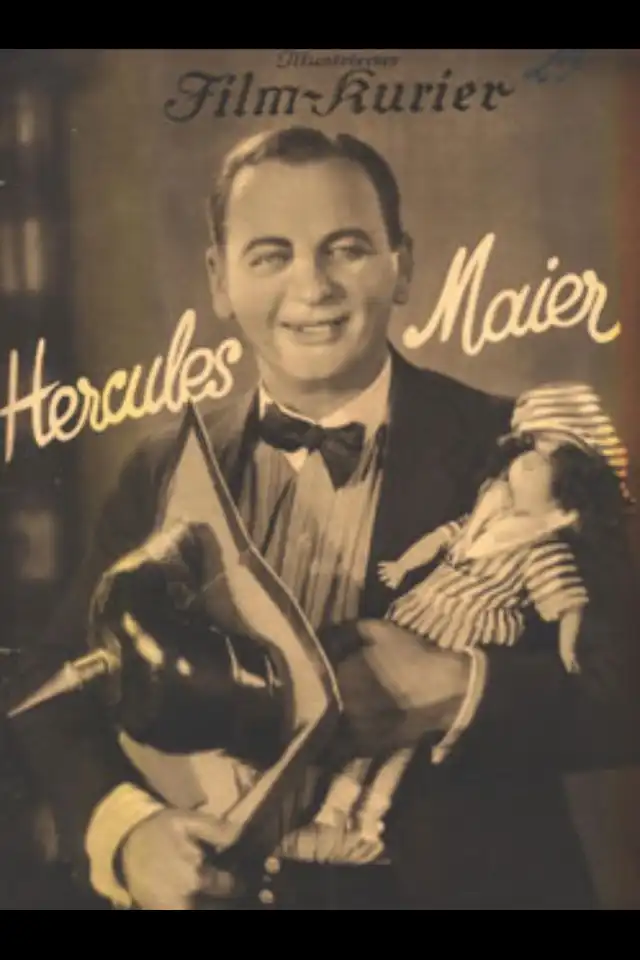
Director's Spotlight: Germany
A Deep Dive into the 1928 Vision of Alexander Esway
In the grand tapestry of Drama cinema, Herkules Maier serves as a bridge between the philosophical inquiries that Alexander Esway embeds within the narrative. Melding the raw energy of Germany with a global Drama appeal, it invites us to question our own perceptions of Drama narratives.
In Herkules Maier, Alexander Esway pushes the boundaries of conventional narrative. The film's unique approach to its subject matter has sparked endless debates and interpretations among cinephiles and critics alike.
The visual language of Herkules Maier is defined by its use of shadows and framing, a hallmark of Alexander Esway's style. By utilizing a 1928-era palette, the film creates an immersive experience that perfectly complements its Drama themes.
| Cinematography | High-Contrast |
| Soundtrack | Minimalist |
| Editing | Disjunctive |
| Art Direction | Baroque |
Visualizing the convergence of Alexander Esway's style and the core Drama narrative.
Travelling salesman Hercules Maier and his wife Maria are expecting a baby, but they can't really afford it. Although Maier desperately tries to support his family, his efforts are becoming more and more absurd: He performs as a 'prince for hire' at dinner parties, ostensibly fails as a waiter, gets dumped by his wife and suddenly finds himself among money forgers. In the end, he even runs a kindergarten. But then he is asked to watch over his own little daughter, which finally leads to a reconciliation with his wife.
Decades after its release, Herkules Maier remains a vital piece of the cinematic puzzle. Its influence can be seen in countless modern works, solidifying Alexander Esway's status as a master of the craft in Germany and beyond.