
DbcultAccessing Vault...
Director's Spotlight
Senior Film Conservator
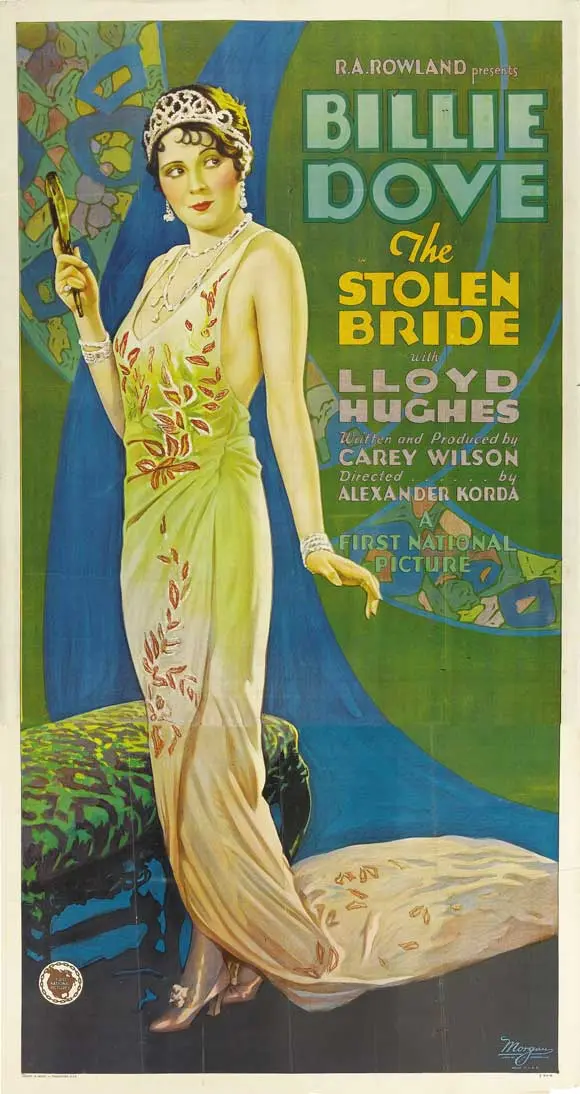
Director's Spotlight: United States
A Deep Dive into the 1927 Vision of Alexander Korda
The 1927 release of The Stolen Bride marked a significant moment for the enduring legacy of Alexander Korda's artistic contribution to the genre. By challenging the status quo of 1927 cinema, it has cemented its place in the global cult cinema archive.
In The Stolen Bride, Alexander Korda pushes the boundaries of conventional narrative. The film's unique approach to its subject matter has sparked endless debates and interpretations among cinephiles and critics alike.
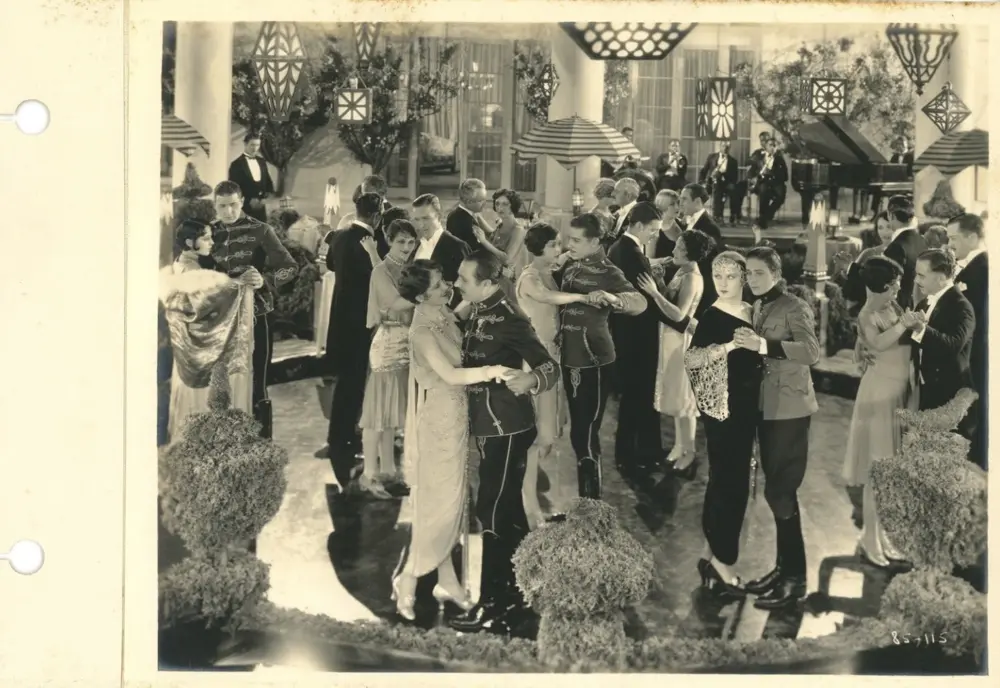
In this work, Alexander Korda explores the intersection of Drama and United States cultural identity. The meticulous attention to detail suggests a deep-seated commitment to pushing the boundaries of the medium, ensuring that The Stolen Bride remains a relevant topic of study for Drama enthusiasts.
| Cinematography | Deep Focus |
| Soundtrack | Diegetic |
| Editing | Elliptical |
| Art Direction | Expressionist |
Visualizing the convergence of Alexander Korda's style and the core Drama narrative.
Sari, daughter of Count Thurzo, and son of a shoemaker Franz Pless, both Hungarian, fall in love while they are in the USA. They are about to get married when Sari is called back to Europe, and when Franz goes after her he learns that he must serve three years of military service. Fate makes him serve under the orders of Baron von Heimberg, whom Count Thurzo wants his daughter to marry. That Baron, although already in a relationship with Ilona, wants that marriage and makes Franz his orderly. The Count's announcement of marriage makes Franz assault the Baron, and he is banned as a result. But Ilona has a few tricks up her sleeve.
Decades after its release, The Stolen Bride remains a vital piece of the cinematic puzzle. Its influence can be seen in countless modern works, solidifying Alexander Korda's status as a master of the craft in United States and beyond.