
DbcultAccessing Vault...
Director's Spotlight
Senior Film Conservator
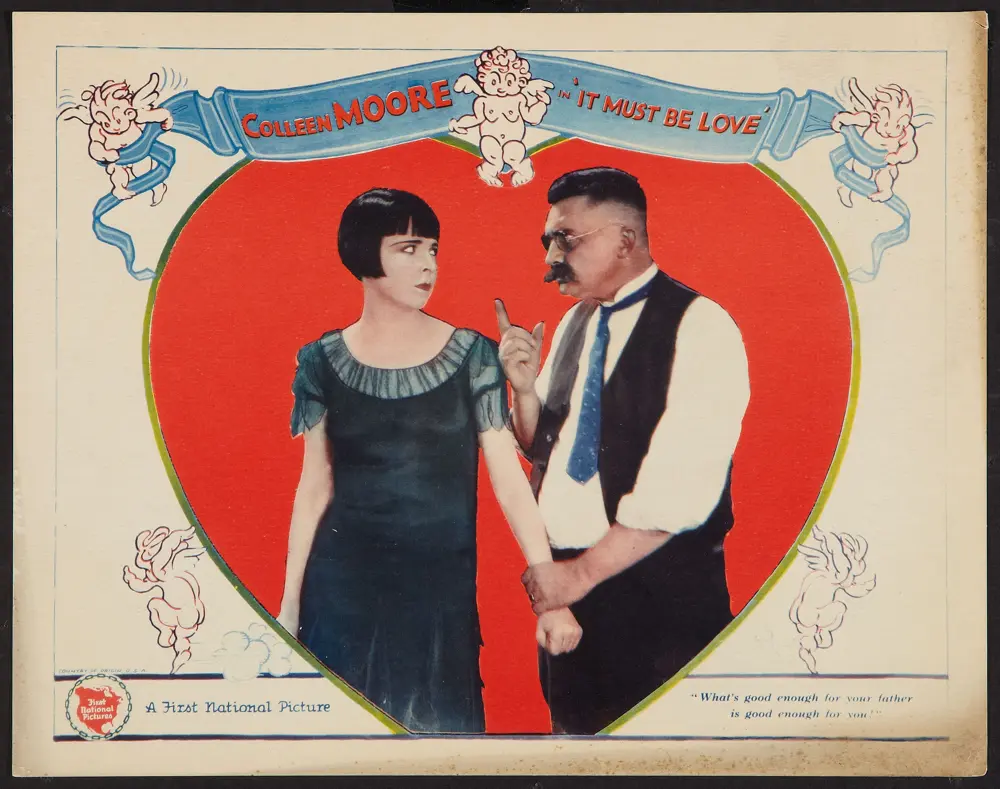
Director's Spotlight: United States
A Deep Dive into the 1926 Vision of Alfred E. Green
The Comedy DNA of It Must Be Love is a reflection of United States's the historical context that Alfred E. Green weaves into the Comedy fabric. Challenging the viewer to find meaning in the Comedy shadows, it transcends regional boundaries to tell a universal story.
In It Must Be Love, Alfred E. Green pushes the boundaries of conventional narrative. The film's unique approach to its subject matter has sparked endless debates and interpretations among cinephiles and critics alike.
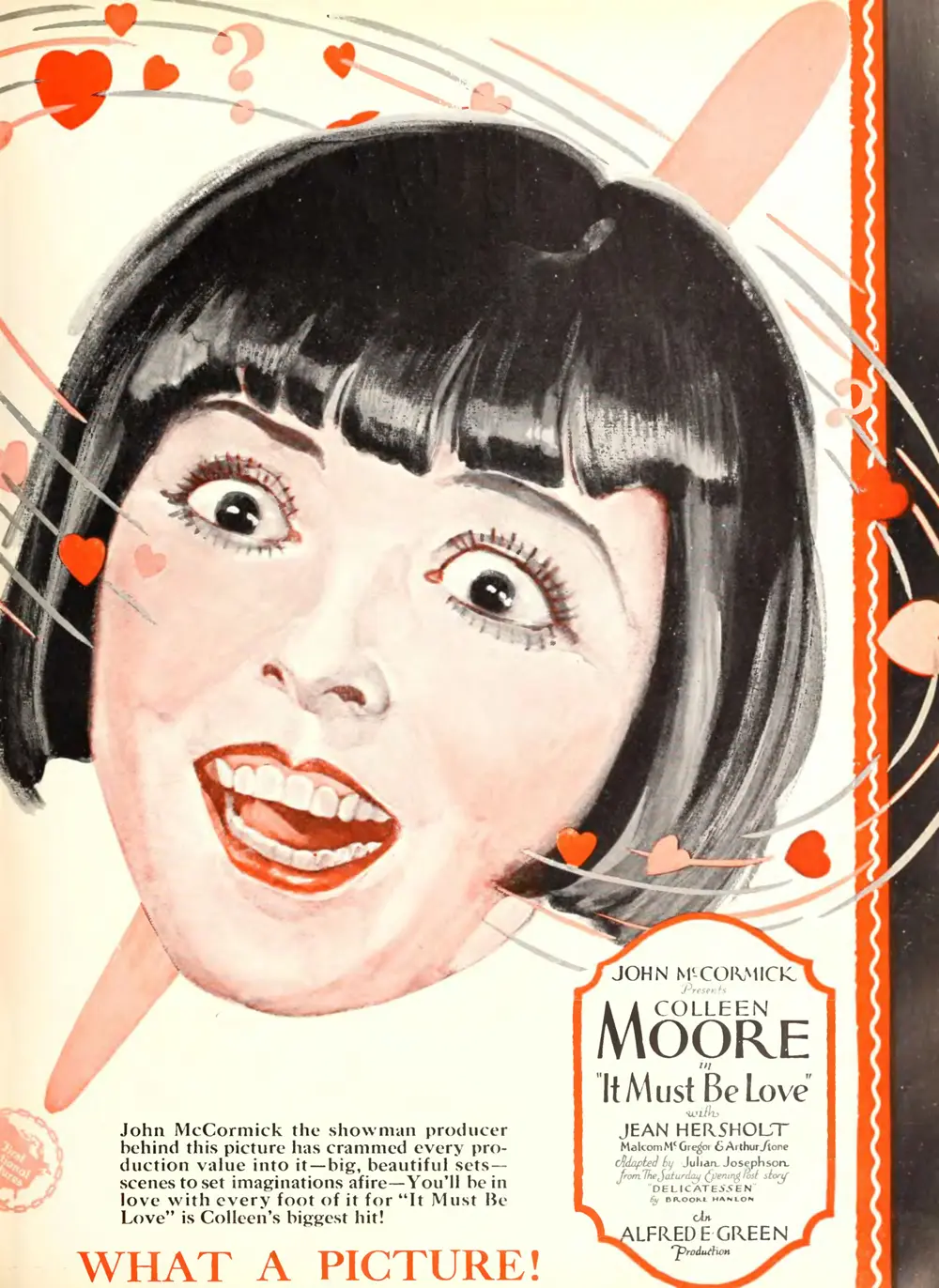
In this work, Alfred E. Green explores the intersection of Comedy and United States cultural identity. The meticulous attention to detail suggests a deep-seated commitment to pushing the boundaries of the medium, ensuring that It Must Be Love remains a relevant topic of study for Comedy enthusiasts.
| Cinematography | Noir-Inspired |
| Soundtrack | Experimental |
| Editing | Elliptical |
| Art Direction | Expressionist |
Visualizing the convergence of Alfred E. Green's style and the core Comedy narrative.
Fernie Schmidt lived with her father and mother in back of their delicatessen store. Fernie hated delicatessen--and still more disliked the two rooms in which they lived. She felt that she could never invite friends to visit her in such a "smelly" home. Pop Schmidt didn't understand the young girl's need for a nicer home, and although Mom did, she couldn't persuade Pop to make the change. Pop had it all planned that she was to marry Peter Halitovsky, who sold sausages. Then, at a dance, Fernie met Jack Dugan. It was a case of love at first sight. But Fernie couldn't bring Jack home to meet her parents, because of those two ill-smelling rooms back of their business. So, when he returned home from the dance, Po, who had been inflamed by Peter's recital of Fernie's rejecting him, demanded why she hadn't brought her new friend home. She explained that she couldn't bring him to such a place. Infuriated, Pop put her out of his home. Fernie went to work in a department store. Her affair with Jack progressed, and one Sunday, at a picnic, he proposed. He was going to buy a business, he explained, so he would be able to take care of Fernie. Fernie accepted Jack. That same night, she went home to dinner at Pop's invitation. He had finally decided to buy a new home, but back of his decision lurked a wish for Fernie to marry Peter. Peter proposed, and Fernie was about to reject him, when Jack appeared unexpectedly. When he told her that he had bought a delicatessen store, Fernie was happy that she could help him. Pop and Mom were immediately won over by Jack's manliness, and Mom began to plan the wedding.
Decades after its release, It Must Be Love remains a vital piece of the cinematic puzzle. Its influence can be seen in countless modern works, solidifying Alfred E. Green's status as a master of the craft in United States and beyond.