
DbcultAccessing Vault...
Director's Spotlight
Senior Film Conservator
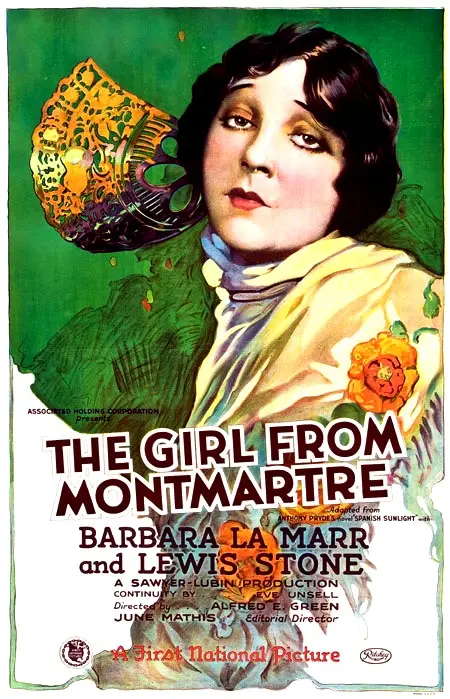
Director's Spotlight: United States
A Deep Dive into the 1926 Vision of Alfred E. Green
To understand the modern evolution of United States film, one must first look at The Girl from Montmartre and the meticulous attention to detail that Alfred E. Green applied to every frame. Reflecting the political and social shifts of the 1926s, it showcases the power of Drama as a tool for social commentary.
In The Girl from Montmartre, Alfred E. Green pushes the boundaries of conventional narrative. The film's unique approach to its subject matter has sparked endless debates and interpretations among cinephiles and critics alike.
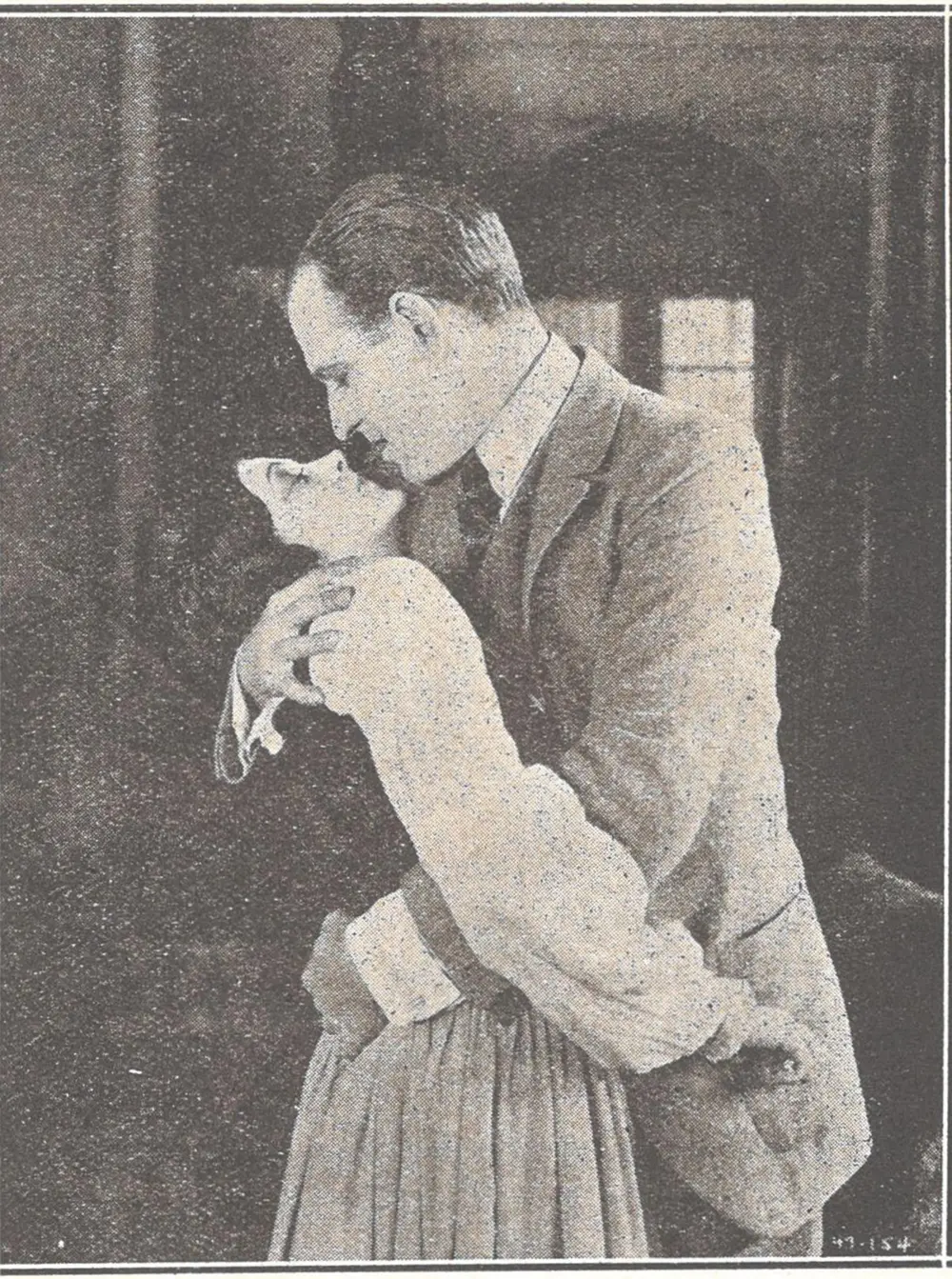
The visual language of The Girl from Montmartre is defined by its use of shadows and framing, a hallmark of Alfred E. Green's style. By utilizing a 1926-era palette, the film creates an immersive experience that perfectly complements its Drama themes.
| Cinematography | Static |
| Soundtrack | Synth-Heavy |
| Editing | Rhythmic |
| Art Direction | Naturalist |
Visualizing the convergence of Alfred E. Green's style and the core Drama narrative.
On the Spanish island of Majorca lives the Faneaux family, product of a degenerate English father of good family and a Spanish woman, whom he had not married. Following the father's death, poverty has driven the daughter, Emilia, into shady living and the brother, Rodney, into disreputable adventures. Rodney, tortured by the realization that his life is doomed to be wasted in penury, urges his sister to marry Ewing, a crooked but immensely wealthy film actor. But Emilia rebels and soon afterwards falls in love with Jerome Hautrive, an aristocratic English writer. Rodney and Ewing plan to fleece the Englishman but when Rodney sees in Jerome the man that he might have been, he comes to his side, rescuing him from a dangerous predicament. Thereafter he remains his devoted servant. With the marriage of Jerome and Emilia imminent, the jealous Ewing persuades Emilia that the difference in there social stations will make both of them miserable. Convinced that Ewing has spoken the truth, Emilia returns to her old ways. Jerome discovers her dancing in one of the lowest dives. But still his love burns for her. Thereupon Ewing, in a last desperate effort to make the girl his own, abducts her. Jerome hotly pursues and after a terrible struggle, in which Ewing is wounded, saves her. A short time later Jerome and Emilia are married in England and through the good offices of Jerome, Rodney and an older brother are both settled in positions to which their blood entitles them.
Decades after its release, The Girl from Montmartre remains a vital piece of the cinematic puzzle. Its influence can be seen in countless modern works, solidifying Alfred E. Green's status as a master of the craft in United States and beyond.