
DbcultAccessing Vault...
Director's Spotlight
Senior Film Conservator
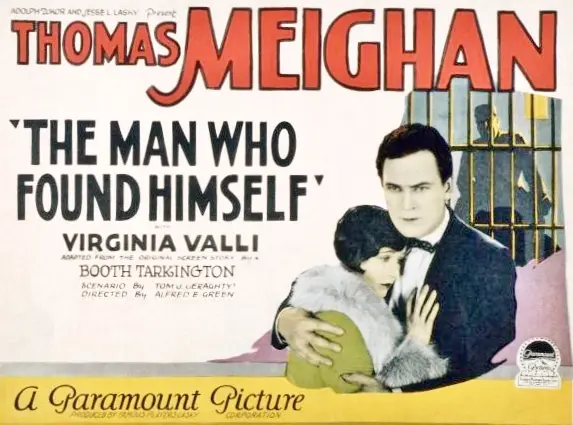
Director's Spotlight: United States
A Deep Dive into the 1925 Vision of Alfred E. Green
Peeling back the layers of Alfred E. Green's The Man Who Found Himself exposes the collaborative alchemy between Alfred E. Green and the 1925 creative team. Anchored by a narrative that is both personal and universal, it reinforces the idea that cinema is a medium of infinite possibilities.
In The Man Who Found Himself, Alfred E. Green pushes the boundaries of conventional narrative. The film's unique approach to its subject matter has sparked endless debates and interpretations among cinephiles and critics alike.
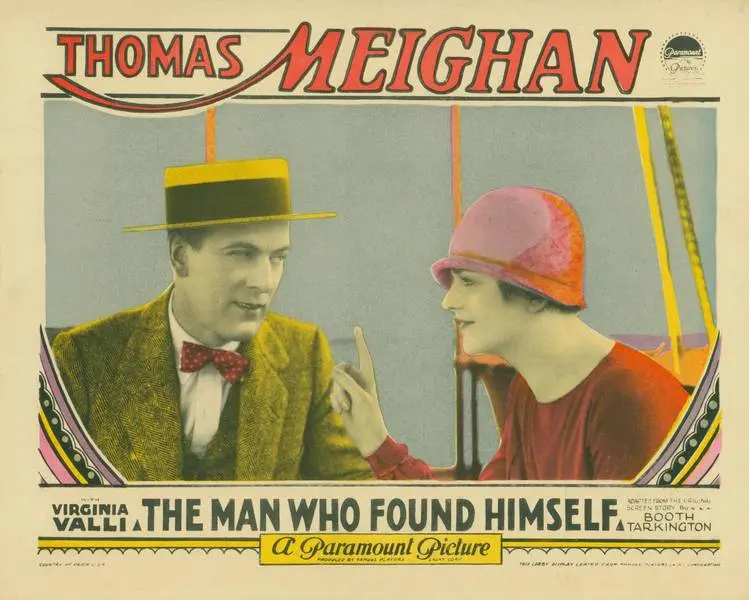
While deeply rooted in United States, The Man Who Found Himself has achieved a global reach, influencing directors from various backgrounds. Its ability to translate Drama tropes into a universal cinematic language is why it remains a cult staple decades after its 1925 release.
| Cinematography | Static |
| Soundtrack | Minimalist |
| Editing | Disjunctive |
| Art Direction | Baroque |
Visualizing the convergence of Alfred E. Green's style and the core Drama narrative.
Tom Macauley and his younger brother, Edwin, are directors in their father's bank. Edwin speculates with the bank's funds, but banker Lon Morris, a supposed friend, plots successfully to have Tom shoulder the blame. In prison, Tom becomes a trusty, but he breaks out when he learns that Morris is to marry Nora Brooks, his fiancee. He confronts Morris and Nora with the truth, beats up Morris for good luck, and returns to prison. His father dies heartbroken, and Tom is scorned by Edwin's wife when he is released. With the aid of two prison buddies (The Optimist and The Pessimist), Tom breaks into the Macauley bank (now controlled by Morris), steals funds, plants them in Morris' house, and notifies the bank examiners. Morris, who actually has been embezzling funds, goes to the bank to obtain more money before making a getaway. He is shot by a watchman; Tom learns that Nora has been a wife in name only; and he marries her.
Decades after its release, The Man Who Found Himself remains a vital piece of the cinematic puzzle. Its influence can be seen in countless modern works, solidifying Alfred E. Green's status as a master of the craft in United States and beyond.