
DbcultAccessing Vault...
Director's Spotlight
Senior Film Conservator
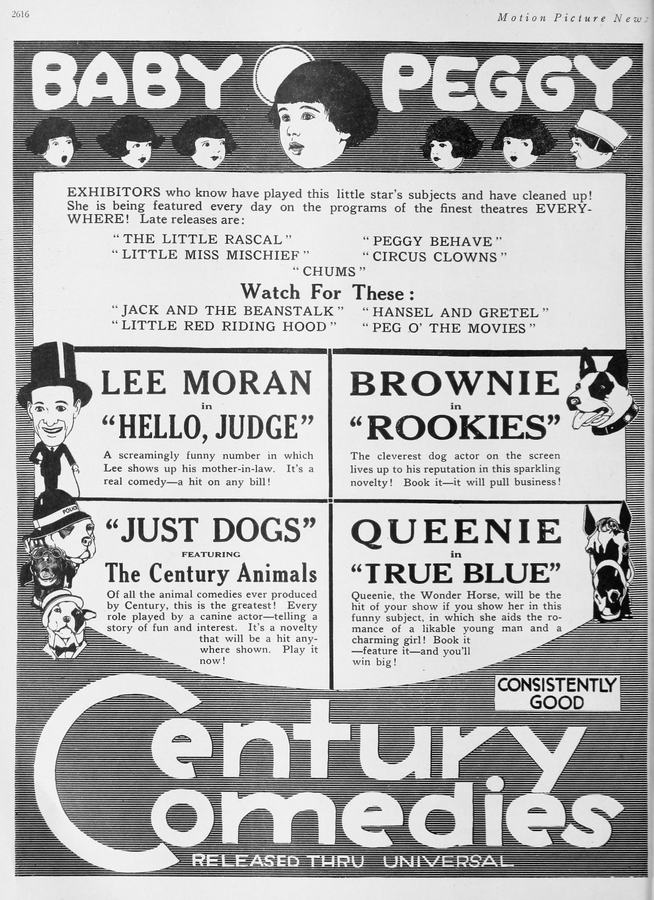
Director's Spotlight: United States
A Deep Dive into the 1923 Vision of Alfred J. Goulding
As we revisit the 1923 masterpiece Peg o' the Movies, we are struck by the atmospheric immersion that Alfred J. Goulding achieves throughout Peg o' the Movies. Exploring the nuances of the human condition with Short flair, it solidifies Alfred J. Goulding's reputation as a master of the craft.
In Peg o' the Movies, Alfred J. Goulding pushes the boundaries of conventional narrative. The film's unique approach to its subject matter has sparked endless debates and interpretations among cinephiles and critics alike.
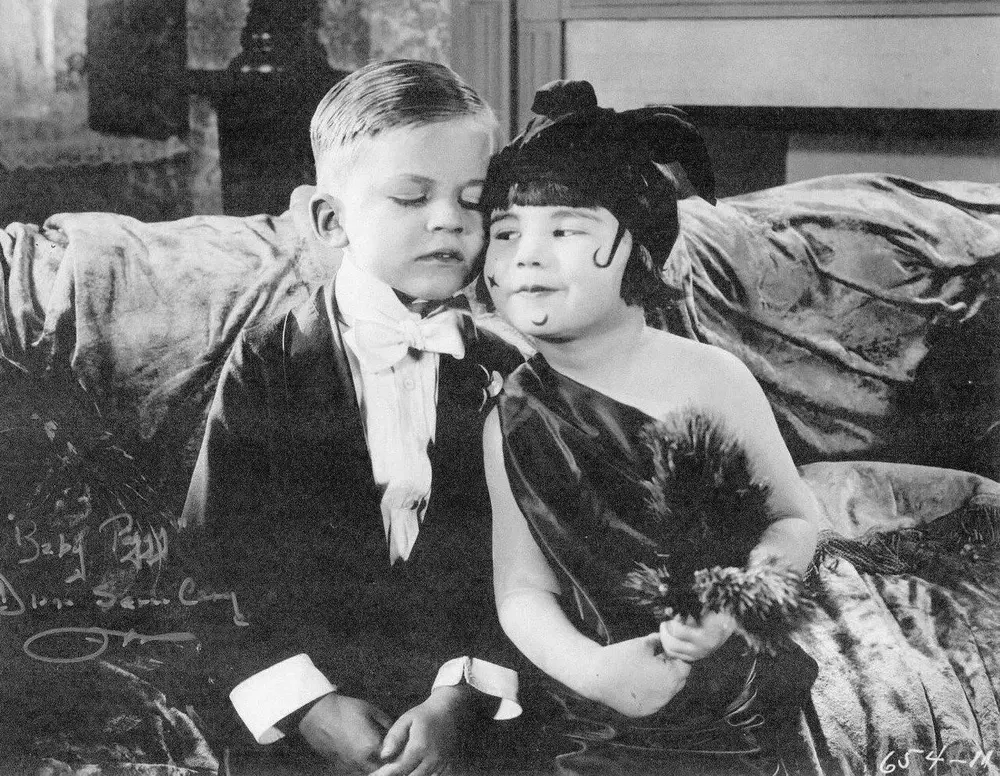
The visual language of Peg o' the Movies is defined by its use of shadows and framing, a hallmark of Alfred J. Goulding's style. By utilizing a 1923-era palette, the film creates an immersive experience that perfectly complements its Short themes.
| Cinematography | Noir-Inspired |
| Soundtrack | Experimental |
| Editing | Invisible |
| Art Direction | Kitsch |
Visualizing the convergence of Alfred J. Goulding's style and the core Short narrative.
Baby Peggy is first seen traveling to Universal City in a hammock slung under a freight car from which she emerges dressed like a little Bill Hart. The first thing she does is throw a brick at what she thinks is a thief, thus spoiling a perfectly good scene that a director is making. After many troubles she finally gets her "chance" and telling the director "you ain't seen nothing yet," proceeds to go all the vamps of moviedom one better in the famous "Fool There Was."
Decades after its release, Peg o' the Movies remains a vital piece of the cinematic puzzle. Its influence can be seen in countless modern works, solidifying Alfred J. Goulding's status as a master of the craft in United States and beyond.