
DbcultAccessing Vault...
Director's Spotlight
Senior Film Conservator
Director's Spotlight: Italy
A Deep Dive into the 1916 Vision of Alfred Lind
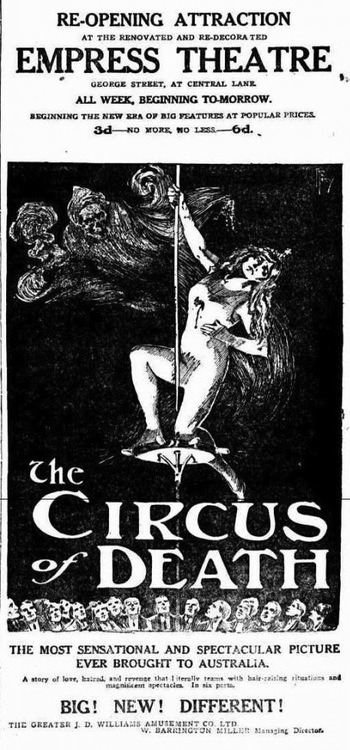
Exploring the cult underpinnings of Le Cirque de la Mort leads us to the uncompromising vision of Alfred Lind that defines this cult masterpiece. Melding the raw energy of Italy with a global cult appeal, it echoes the profound changes occurring in Italy during that era.
In Le Cirque de la Mort, Alfred Lind pushes the boundaries of conventional narrative. The film's unique approach to its subject matter has sparked endless debates and interpretations among cinephiles and critics alike.
While deeply rooted in Italy, Le Cirque de la Mort has achieved a global reach, influencing directors from various backgrounds. Its ability to translate cult tropes into a universal cinematic language is why it remains a cult staple decades after its 1916 release.
| Cinematography | Deep Focus |
| Soundtrack | Orchestral |
| Editing | Slow-Burn |
| Art Direction | Brutalist |
Visualizing the convergence of Alfred Lind's style and the core cult narrative.
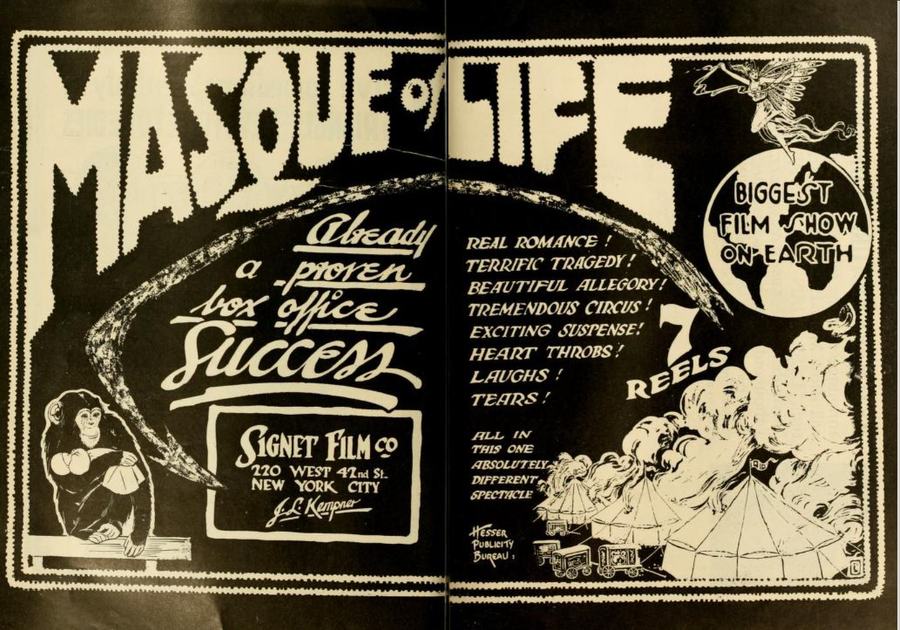
A girl and a prince fall in love and plan to elope. But the prince's father dies, and the prince must ascend to the throne. The prince is forced to marry someone with royal blood. The girl attempts suicide. The prince, believing her dead, never sees her again until she rescues his baby from a 360-foot chimney, where it has been taken by a crazed circus chimpanzee.
Decades after its release, Le Cirque de la Mort remains a vital piece of the cinematic puzzle. Its influence can be seen in countless modern works, solidifying Alfred Lind's status as a master of the craft in Italy and beyond.