
DbcultAccessing Vault...
Director's Spotlight
Senior Film Conservator
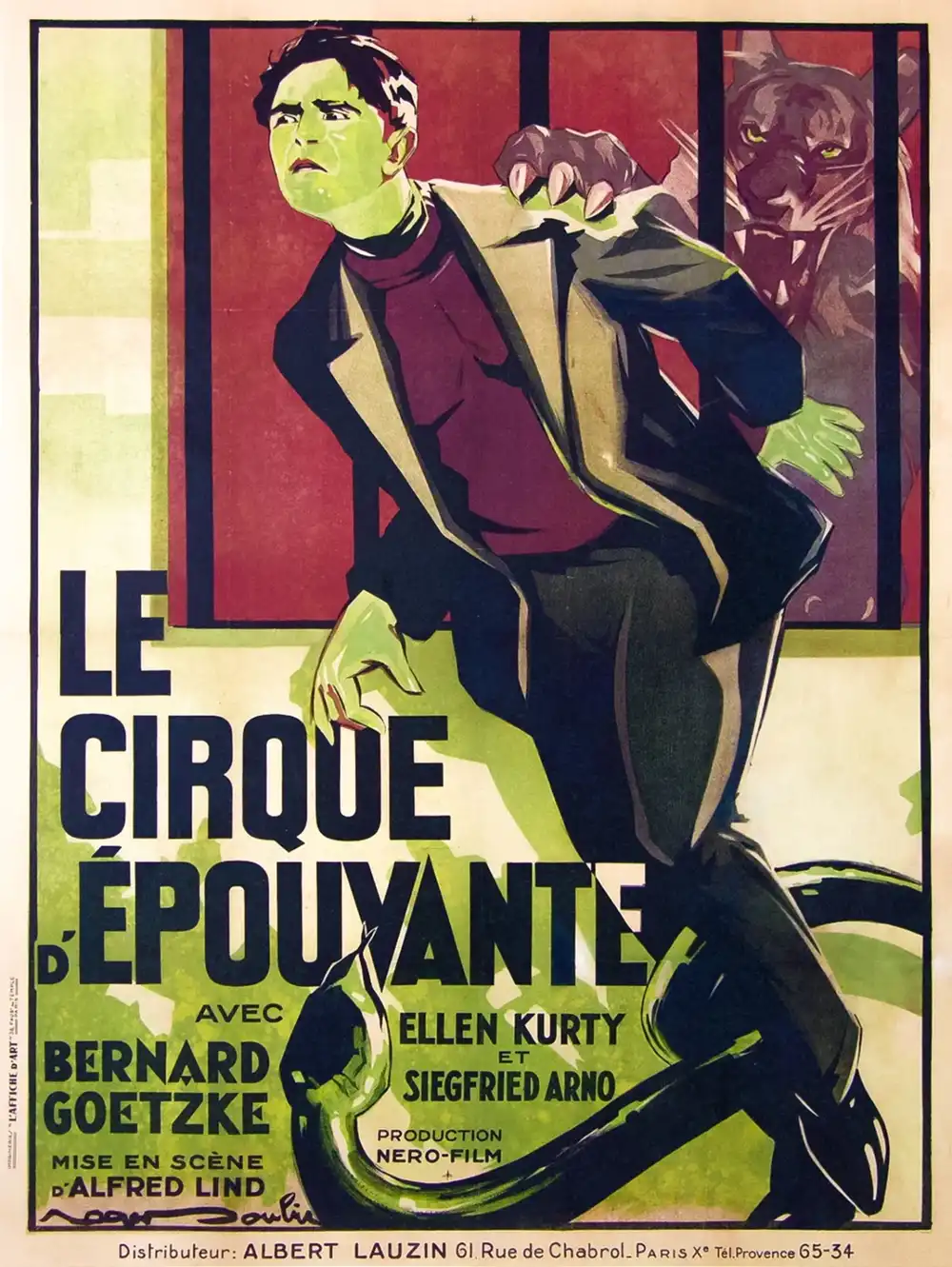
Director's Spotlight: Germany
A Deep Dive into the 1928 Vision of Alfred Lind
Few works in Germany cinema carry the same weight as Tragödie im Zirkus Royal, especially regarding the technical innovation that Alfred Lind introduced to the Drama format. Subverting the expectations of the typical 1928 audience, it bridges the gap between traditional Drama and contemporary vision.
In Tragödie im Zirkus Royal, Alfred Lind pushes the boundaries of conventional narrative. The film's unique approach to its subject matter has sparked endless debates and interpretations among cinephiles and critics alike.
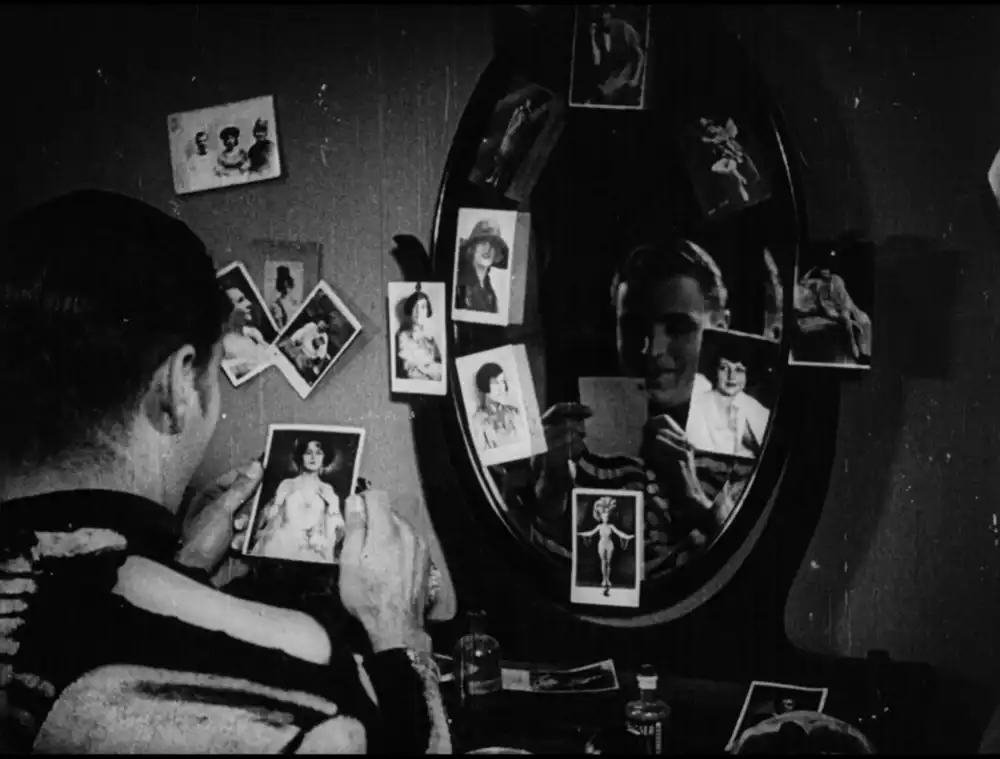
To fully appreciate Tragödie im Zirkus Royal, one must consider the cinematic climate of 1928. During this period, Germany was undergoing significant artistic shifts, and Alfred Lind was at the forefront of this Drama movement, often challenging established norms.
| Cinematography | Static |
| Soundtrack | Experimental |
| Editing | Invisible |
| Art Direction | Kitsch |
Visualizing the convergence of Alfred Lind's style and the core Drama narrative.
In the Circus Royal, the young artists Ziska, Armand, Frank and their mentor Atto perform the aerial sensation "Ghosts of the Night" every day in front of an enthusiastic crowd. Armand is in love with Ziska. When she rejects him because she loves only Frank, Armand throws himself from the trapeze and dies. A mysterious inventor, Dr. Magirus, constructs a radio-mechanical human puppet, who is supposed to replace Armand in the act.
Decades after its release, Tragödie im Zirkus Royal remains a vital piece of the cinematic puzzle. Its influence can be seen in countless modern works, solidifying Alfred Lind's status as a master of the craft in Germany and beyond.