
DbcultAccessing Vault...
Director's Spotlight
Senior Film Conservator
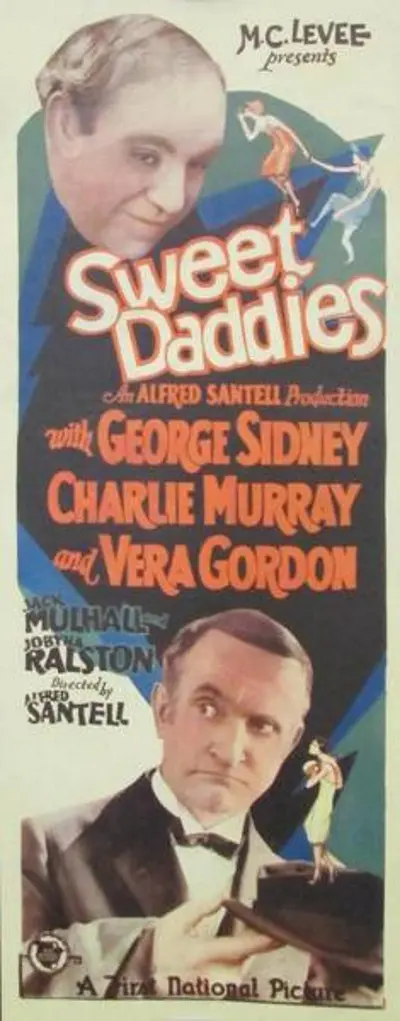
Director's Spotlight: United States
A Deep Dive into the 1926 Vision of Alfred Santell
As we revisit the 1926 masterpiece Sweet Daddies, we are struck by the meticulous attention to detail that Alfred Santell applied to every frame. Anchored by a narrative that is both personal and universal, it bridges the gap between traditional Romance and contemporary vision.
In Sweet Daddies, Alfred Santell pushes the boundaries of conventional narrative. The film's unique approach to its subject matter has sparked endless debates and interpretations among cinephiles and critics alike.
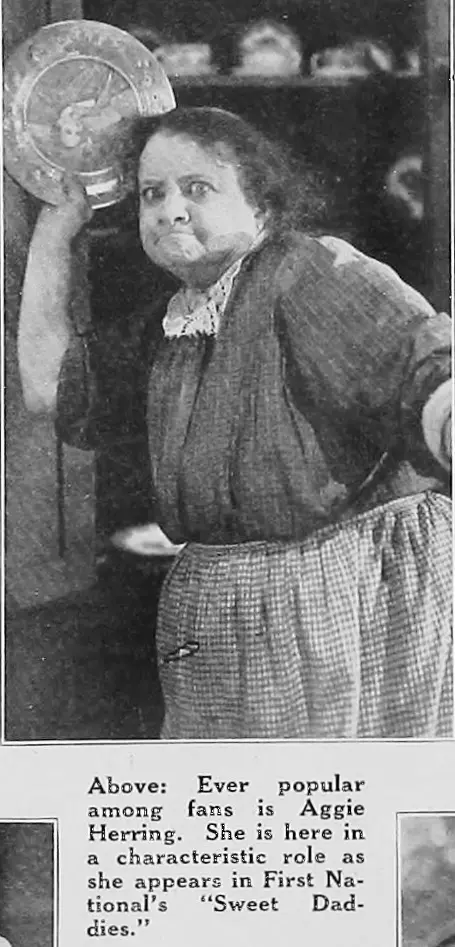
In this work, Alfred Santell explores the intersection of Romance and United States cultural identity. The meticulous attention to detail suggests a deep-seated commitment to pushing the boundaries of the medium, ensuring that Sweet Daddies remains a relevant topic of study for Romance enthusiasts.
| Cinematography | High-Contrast |
| Soundtrack | Orchestral |
| Editing | Invisible |
| Art Direction | Kitsch |
Visualizing the convergence of Alfred Santell's style and the core Romance narrative.
Stage comedian Patrick O'Brien is fired from his job because of his drinking celebration of his son Jimmy, graduating from college. After the show he meets his son on a cabaret and there meets Abel Finklestein and his daughter Miriam, and the two fathers form a business alliance, suspected of being bootlegging. They are arrested but are released after it is found they were importing molasses--but Miriam must promise to marry Sam Berkowitz to secure the release. Jimmy and both fathers are unhappy with this turn of events.
Decades after its release, Sweet Daddies remains a vital piece of the cinematic puzzle. Its influence can be seen in countless modern works, solidifying Alfred Santell's status as a master of the craft in United States and beyond.