
DbcultAccessing Vault...
Director's Spotlight
Senior Film Conservator
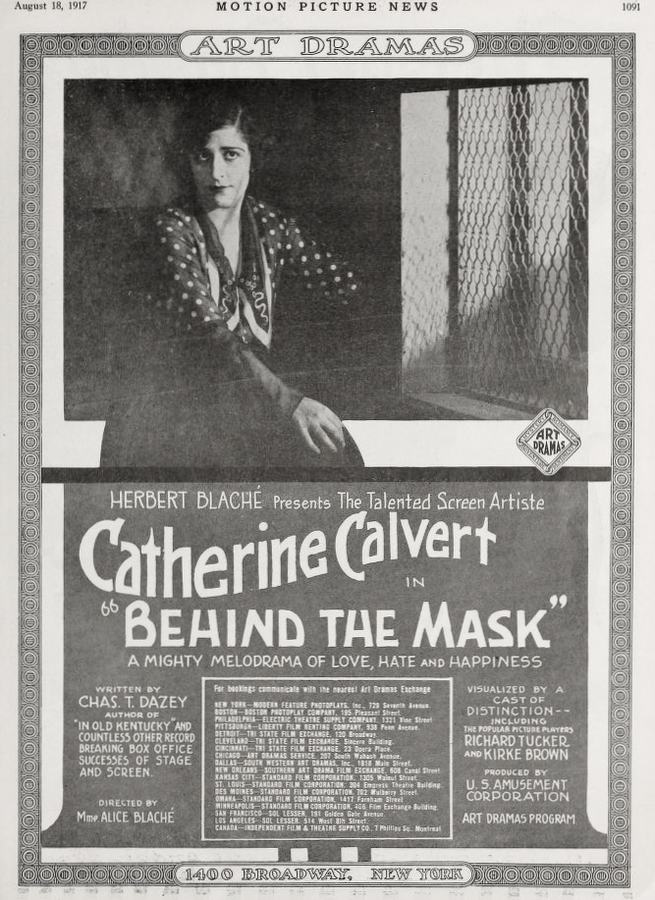
Director's Spotlight: United States
A Deep Dive into the 1917 Vision of Alice Guy
As we revisit the 1917 masterpiece Behind the Mask, we are struck by the atmospheric immersion that Alice Guy achieves throughout Behind the Mask. Exploring the nuances of the human condition with cult flair, it solidifies Alice Guy's reputation as a master of the craft.
In Behind the Mask, Alice Guy pushes the boundaries of conventional narrative. The film's unique approach to its subject matter has sparked endless debates and interpretations among cinephiles and critics alike.
| Cinematography | Deep Focus |
| Soundtrack | Experimental |
| Editing | Invisible |
| Art Direction | Kitsch |
Visualizing the convergence of Alice Guy's style and the core cult narrative.
Financier Mark Harrold is responsible for the financial ruin and subsequent suicide of Stanton. Following his death, Stanton's daughter Margaret, seeking revenge, goes to work for Harrold's beloved daughter Helen. The latter plans to marry the dashing Lord Strathmore and thus attain her social ambitions, but Margaret, to avenge her father's death, wins Strathmore away from her by deception. After their marriage, Margaret leaves Strathmore, claiming that she never loved him. With the birth of their child, Margaret becomes ill and blind, but Strathmore finds her and gives her money under an assumed identity. Following an operation that restores her sight, Margaret recognizes her husband as her benefactor and realizes that she loves him.
Decades after its release, Behind the Mask remains a vital piece of the cinematic puzzle. Its influence can be seen in countless modern works, solidifying Alice Guy's status as a master of the craft in United States and beyond.