
DbcultAccessing Vault...
Director's Spotlight
Senior Film Conservator
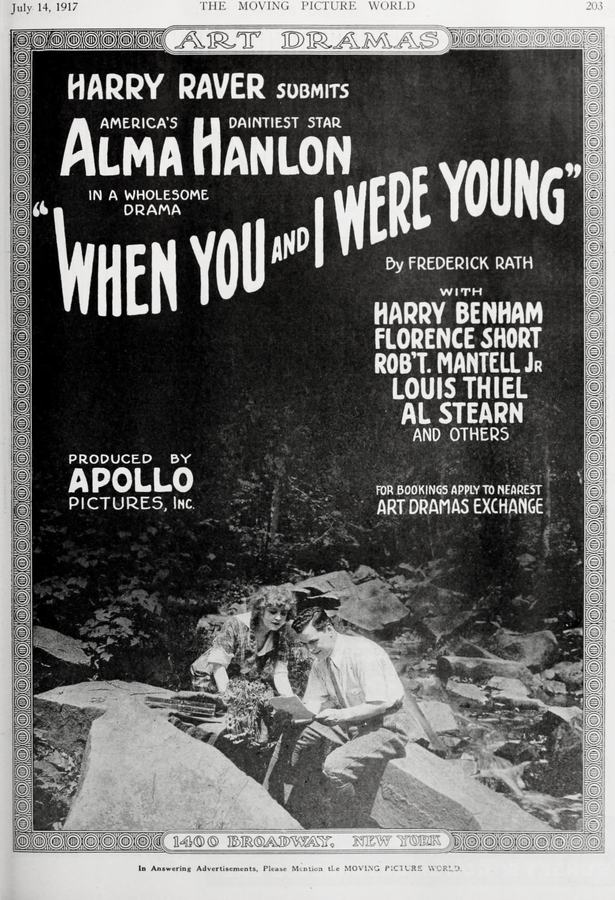
Director's Spotlight: United States
A Deep Dive into the 1917 Vision of Alice Guy
In the storied career of Alice Guy, When You and I Were Young stands as a the atmospheric immersion that Alice Guy achieves throughout When You and I Were Young. Reflecting the political and social shifts of the 1917s, it reinforces the idea that cinema is a medium of infinite possibilities.
In When You and I Were Young, Alice Guy pushes the boundaries of conventional narrative. The film's unique approach to its subject matter has sparked endless debates and interpretations among cinephiles and critics alike.
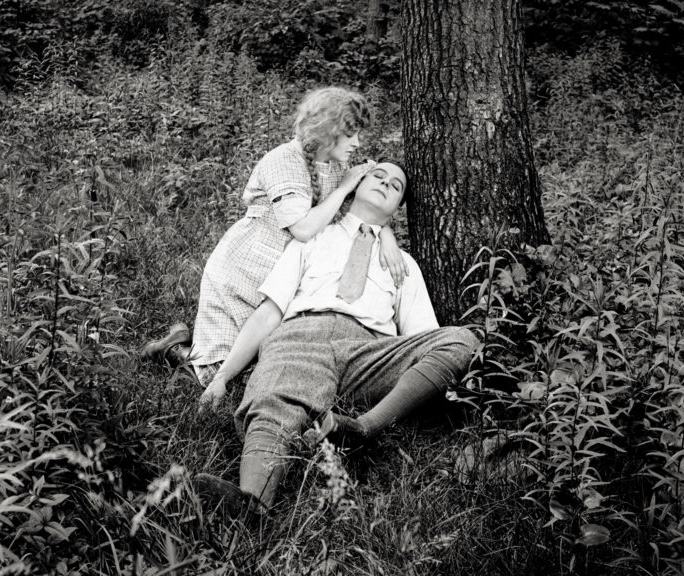
The visual language of When You and I Were Young is defined by its use of shadows and framing, a hallmark of Alice Guy's style. By utilizing a 1917-era palette, the film creates an immersive experience that perfectly complements its cult themes.
| Cinematography | Static |
| Soundtrack | Diegetic |
| Editing | Elliptical |
| Art Direction | Expressionist |
Visualizing the convergence of Alice Guy's style and the core cult narrative.
Farm girl Dorothy Miller dreams of becoming a writer, much to the chagrin of her old-fashioned father, who believes that a woman's place is in the home. While in the fields one day, Dorothy meets a young artist who has come to the country to paint landscapes. Attracted by her beauty, the artist urges Dorothy to visit him in the city. After his departure, Dorothy decides to run away to the city in order to realize her ambitions. There she and the artist fall in love and Dorothy becomes one of a settlement of artists residing in the Latin quarter where she writes the story of her experiences. The book, with accompanying illustrations by the artist, is accepted by a well-known publishing house whose head is the father of the artist, estranged from his son because he insisted upon pursuing a career in art. As he reads Dorothy's book, and later as Dorothy's father reads his daughter's book, both parents come to understand the motivations of their children and reconciliations are effected.
Decades after its release, When You and I Were Young remains a vital piece of the cinematic puzzle. Its influence can be seen in countless modern works, solidifying Alice Guy's status as a master of the craft in United States and beyond.