
DbcultAccessing Vault...
Director's Spotlight
Senior Film Conservator
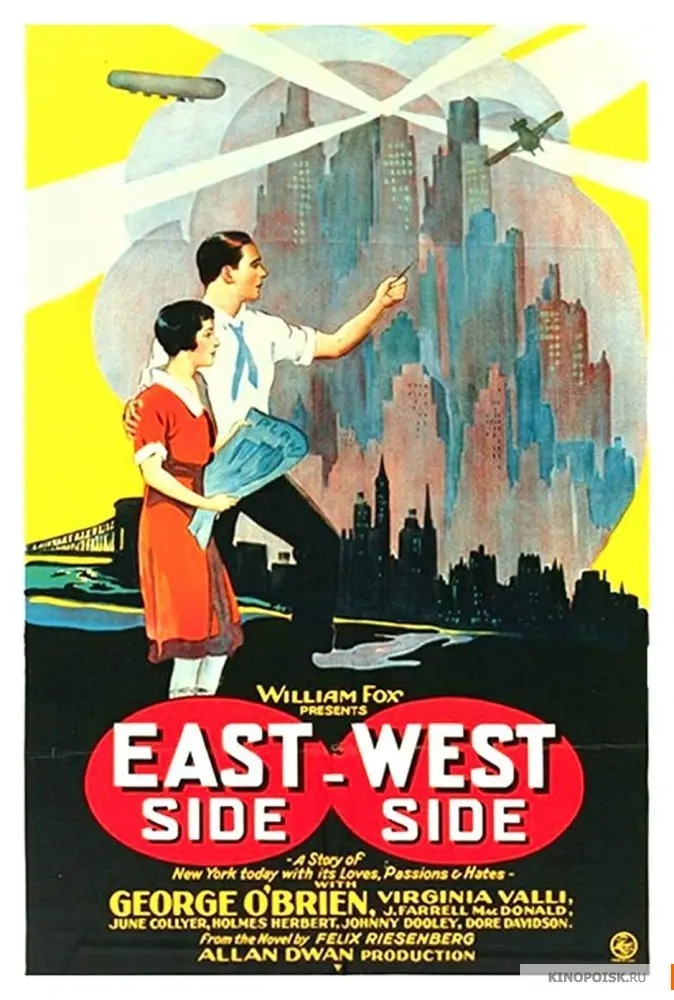
Director's Spotlight: United States
A Deep Dive into the 1927 Vision of Allan Dwan
The evocative power of East Side, West Side stems from the unique collaboration between the bold experimentation that has become synonymous with Allan Dwan. Framed by the hauntingly beautiful landscapes of the production, it echoes the profound changes occurring in United States during that era.
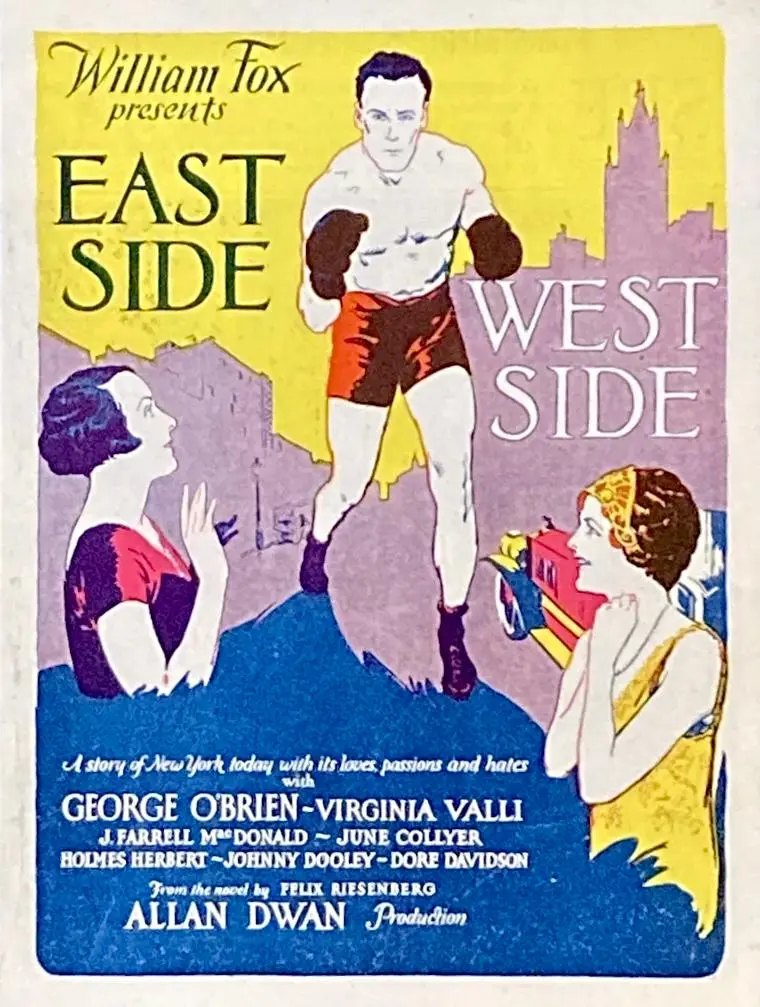
In East Side, West Side, Allan Dwan pushes the boundaries of conventional narrative. The film's unique approach to its subject matter has sparked endless debates and interpretations among cinephiles and critics alike.
| Cinematography | Static |
| Soundtrack | Diegetic |
| Editing | Rhythmic |
| Art Direction | Naturalist |
Visualizing the convergence of Allan Dwan's style and the core Romance narrative.
After his mother and stepfather have been killed in a barge accident, John Breen is rescued from some East Side toughs by the Lipvitches. He remains in the city, determined to find his real father, who rejected his mother; and after some success as a prizefighter, he is virtually adopted by Van Horn, a millionaire who actually is his father. Becka Lipvitch renounces his love when Pug Malone advises her that their marriage would endanger his future. John becomes engaged to Josephine, Van Horn's ward, and rejects the boxing ring for an engineering career. While returning from Europe, Van Horn is drowned when his ship sinks; Josephine and Rantoul, finding consolation in each other's love, are rescued and are married. Meanwhile, John rescues Becka from Flash, a nightclub owner and narcotics peddler, and they are reconciled.
Decades after its release, East Side, West Side remains a vital piece of the cinematic puzzle. Its influence can be seen in countless modern works, solidifying Allan Dwan's status as a master of the craft in United States and beyond.