
DbcultAccessing Vault...
Director's Spotlight
Senior Film Conservator
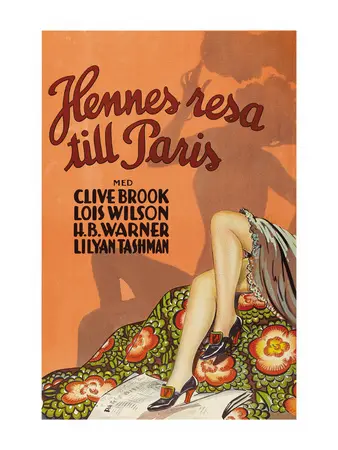
Director's Spotlight: United States
A Deep Dive into the 1927 Vision of Allan Dwan
The brilliance of French Dressing (1927) is inseparable from a monumental shift in Romance filmmaking spearheaded by Allan Dwan. Occupying a unique space between Romance and pure art, it serves as a blueprint for future generations of Romance directors.
In French Dressing, Allan Dwan pushes the boundaries of conventional narrative. The film's unique approach to its subject matter has sparked endless debates and interpretations among cinephiles and critics alike.
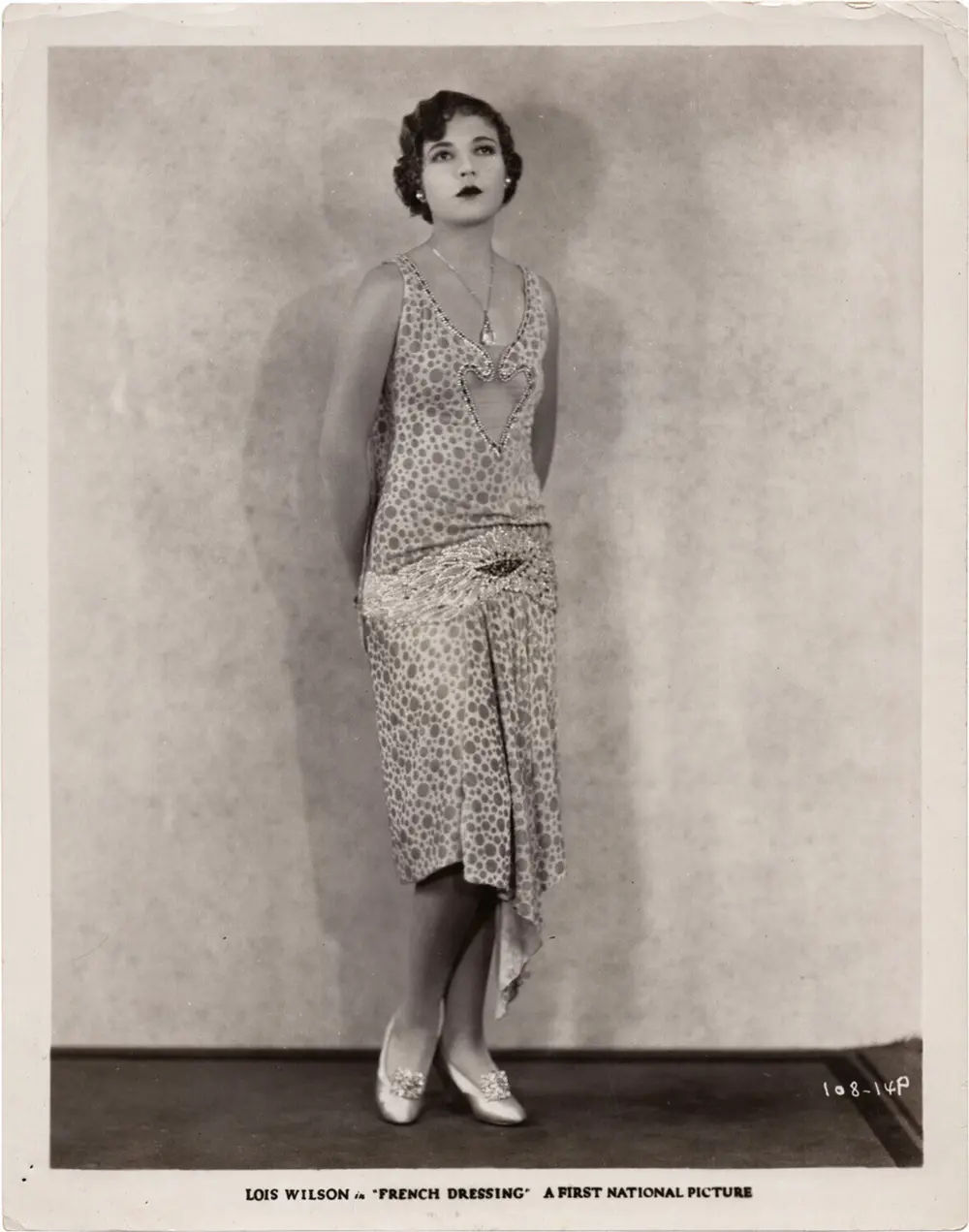
To fully appreciate French Dressing, one must consider the cinematic climate of 1927. During this period, United States was undergoing significant artistic shifts, and Allan Dwan was at the forefront of this Romance movement, often challenging established norms.
| Cinematography | Noir-Inspired |
| Soundtrack | Orchestral |
| Editing | Slow-Burn |
| Art Direction | Brutalist |
Visualizing the convergence of Allan Dwan's style and the core Romance narrative.
Philip and Cynthia Grey are a pair of recently-wed Bostonians, and Cynthia is properly Back-Bay no-action quiet and dowdy, and Philip resigns himself to the quietness (no action) regularity of their home. But then along comes a blonde, Peggy Nash, who adds some action to Philip's life. Cynthia is somewhat upset at this turn of events, and decides to go to Paris--the Wickedest City in the World--and get a quiet divorce. Cynthia soon finds out that Paris is a really gay city, especially after Henri de Briac shows up and offers to be her guide to the delights of Paris (primarily him). Cynthia quickly sheds some of her dowdy clothes and ways and starts having what was once quaintly described as a gay old time. Philip then shows up in Paris, deciding that he wants Cynthia back as his wife. Peggy shows up right behind him, and soon it's up to Henri to make the pairing arrangements for the foursome.
Decades after its release, French Dressing remains a vital piece of the cinematic puzzle. Its influence can be seen in countless modern works, solidifying Allan Dwan's status as a master of the craft in United States and beyond.