
DbcultAccessing Vault...
Director's Spotlight
Senior Film Conservator
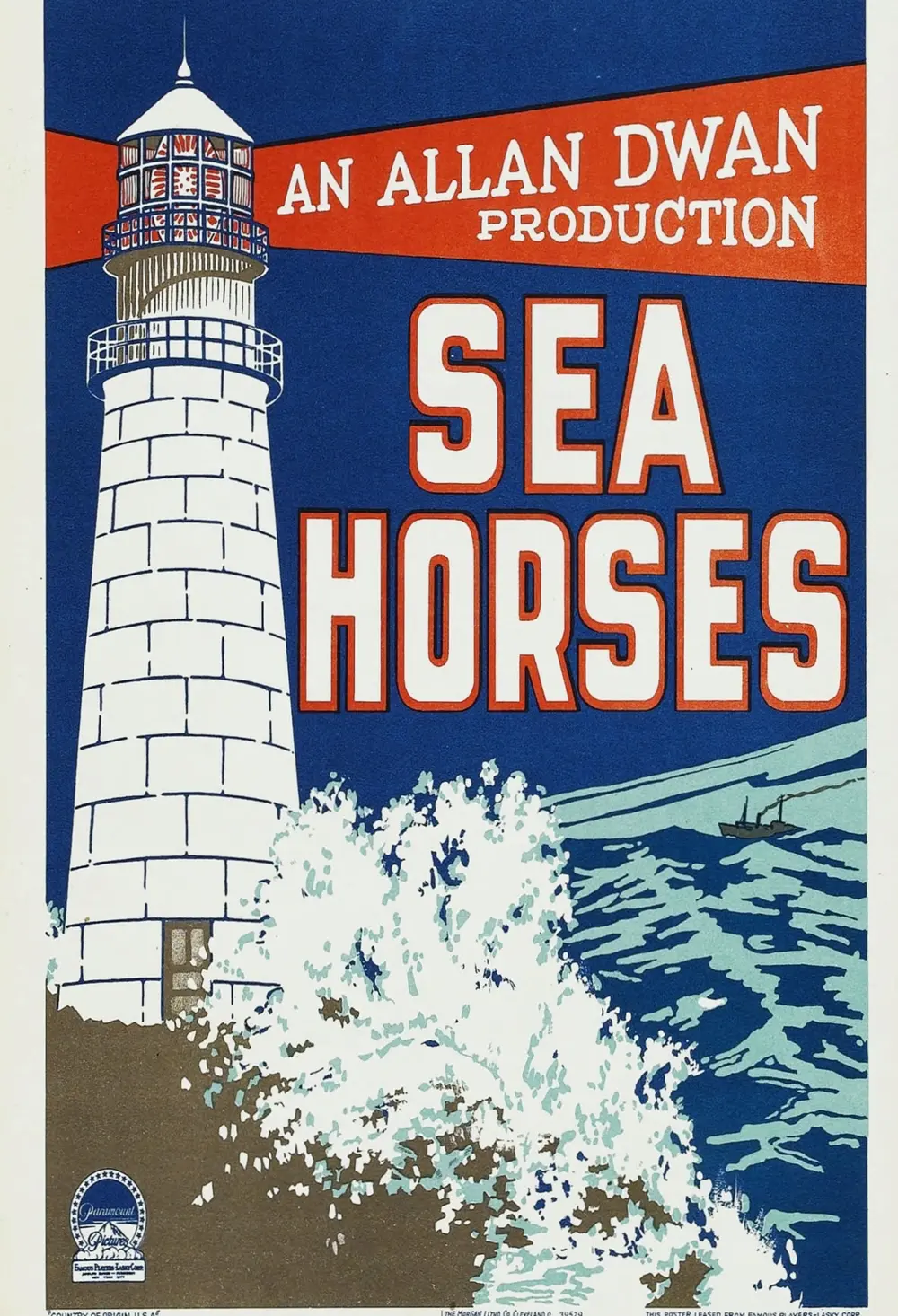
Director's Spotlight: United States
A Deep Dive into the 1926 Vision of Allan Dwan
Deciphering the layers of Sea Horses (1926) reveals a monumental shift in Romance filmmaking spearheaded by Allan Dwan. With its avant-garde structure and atmospheric tension, offering layers of thematic complexity that demand repeated viewing.
In Sea Horses, Allan Dwan pushes the boundaries of conventional narrative. The film's unique approach to its subject matter has sparked endless debates and interpretations among cinephiles and critics alike.
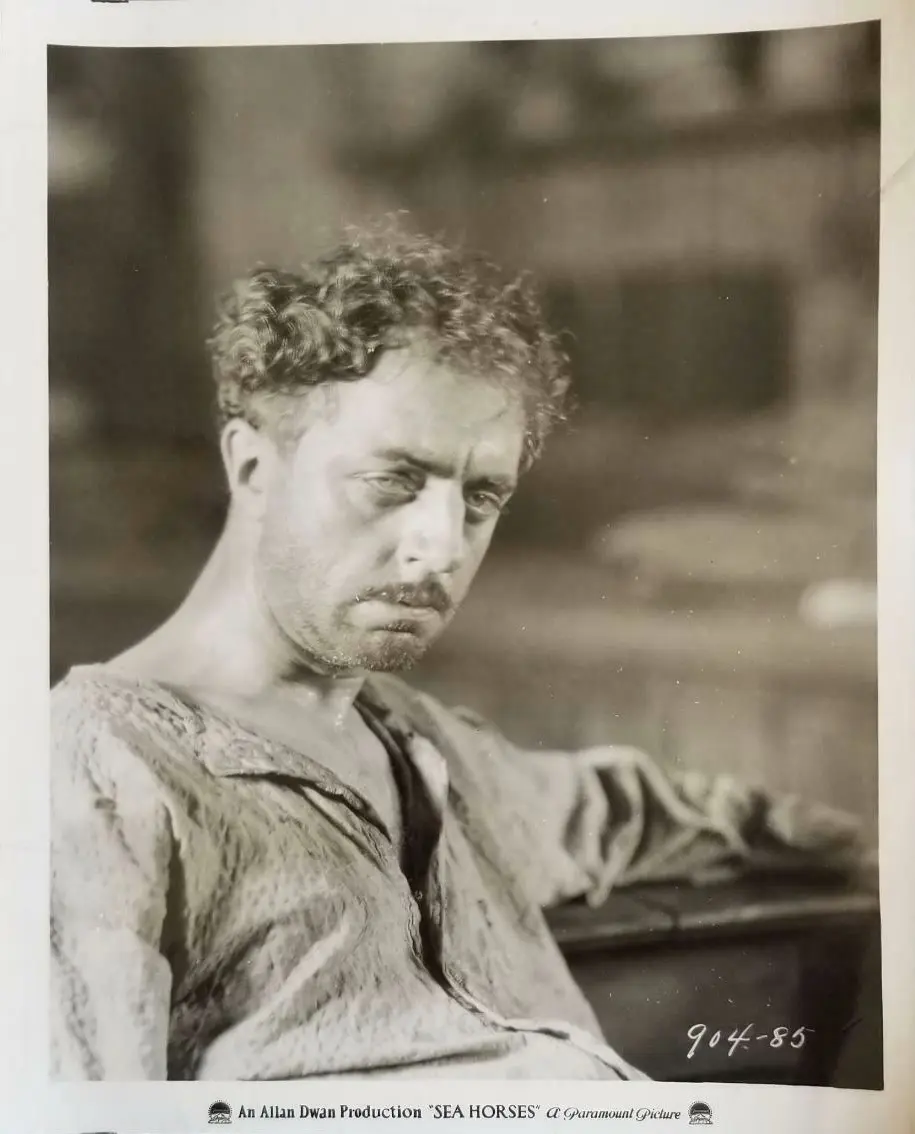
The visual language of Sea Horses is defined by its use of shadows and framing, a hallmark of Allan Dwan's style. By utilizing a 1926-era palette, the film creates an immersive experience that perfectly complements its Romance themes.
| Cinematography | High-Contrast |
| Soundtrack | Synth-Heavy |
| Editing | Disjunctive |
| Art Direction | Baroque |
Visualizing the convergence of Allan Dwan's style and the core Romance narrative.
Helen Salvia sets sail with her 4-year-old daughter for Panda, an isolated East African port, where she expects to join her Italian husband, Lorenzo, who deserted her a year after their marriage. Cochran, the burly first mate, and Harvey, the youthful third officer, openly vie for her favor, while Captain Glanville remains aloof. In Panda, Helen discovers that her husband has become a drunken derelict and returns to the ship, but Glanville is forced to buy her release from Salvia. Fearful of the implication, Helen returns ashore with her daughter, flees from Lorenzo's attempts to attack her, and is found by Glanville just as a typhoon breaks in all its fury. In regaining possession of the child from Lorenzo, the captain is wounded; and Cochran, covering their retreat, kills Lorenzo. Cochran pays for his daring with his life, and Helen is free to return to England with Glanville.
Decades after its release, Sea Horses remains a vital piece of the cinematic puzzle. Its influence can be seen in countless modern works, solidifying Allan Dwan's status as a master of the craft in United States and beyond.