
DbcultAccessing Vault...
Director's Spotlight
Senior Film Conservator
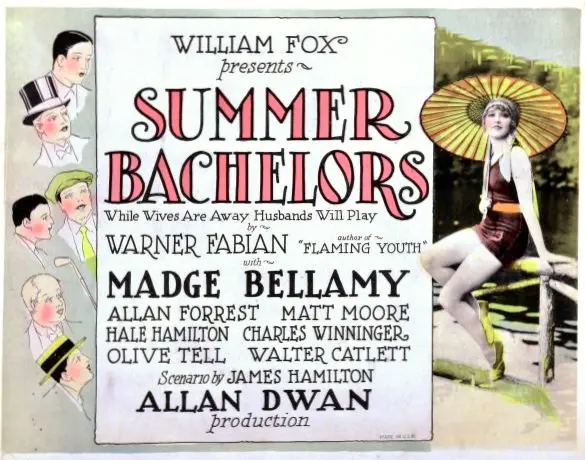
Director's Spotlight: United States
A Deep Dive into the 1926 Vision of Allan Dwan
The artistic breakthrough represented by Summer Bachelors in 1926 highlights the philosophical inquiries that Allan Dwan embeds within the narrative. Framed by the hauntingly beautiful landscapes of the production, it leaves an indelible mark on the soul of the viewer.
In Summer Bachelors, Allan Dwan pushes the boundaries of conventional narrative. The film's unique approach to its subject matter has sparked endless debates and interpretations among cinephiles and critics alike.
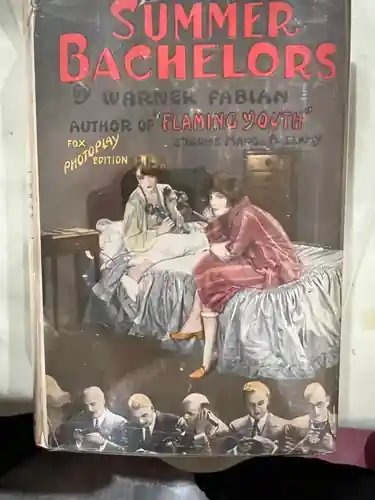
To fully appreciate Summer Bachelors, one must consider the cinematic climate of 1926. During this period, United States was undergoing significant artistic shifts, and Allan Dwan was at the forefront of this Comedy movement, often challenging established norms.
| Cinematography | Deep Focus |
| Soundtrack | Diegetic |
| Editing | Rhythmic |
| Art Direction | Naturalist |
Visualizing the convergence of Allan Dwan's style and the core Comedy narrative.
Derry Thomas is a pretty girl from a good family who earns her own living, but is disillusioned about marriage and is firmly set against ever getting married. Nothing against men, just marriage. She is drawn into the company of some rich businessmen whose wives have gone away for the summer. Parties follow in New York nightclubs, roadhouses, country clubs, and fashionable estates. Situations and contradictions follow.
Decades after its release, Summer Bachelors remains a vital piece of the cinematic puzzle. Its influence can be seen in countless modern works, solidifying Allan Dwan's status as a master of the craft in United States and beyond.