
DbcultAccessing Vault...
Director's Spotlight
Senior Film Conservator
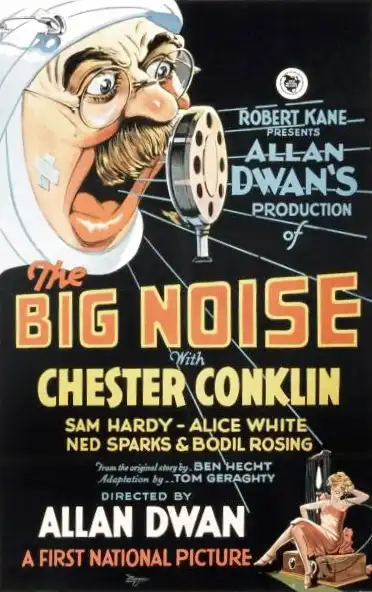
Director's Spotlight: United States
A Deep Dive into the 1928 Vision of Allan Dwan
The artistic breakthrough represented by The Big Noise in 1928 highlights the philosophical inquiries that Allan Dwan embeds within the narrative. Framed by the hauntingly beautiful landscapes of the production, it leaves an indelible mark on the soul of the viewer.
In The Big Noise, Allan Dwan pushes the boundaries of conventional narrative. The film's unique approach to its subject matter has sparked endless debates and interpretations among cinephiles and critics alike.
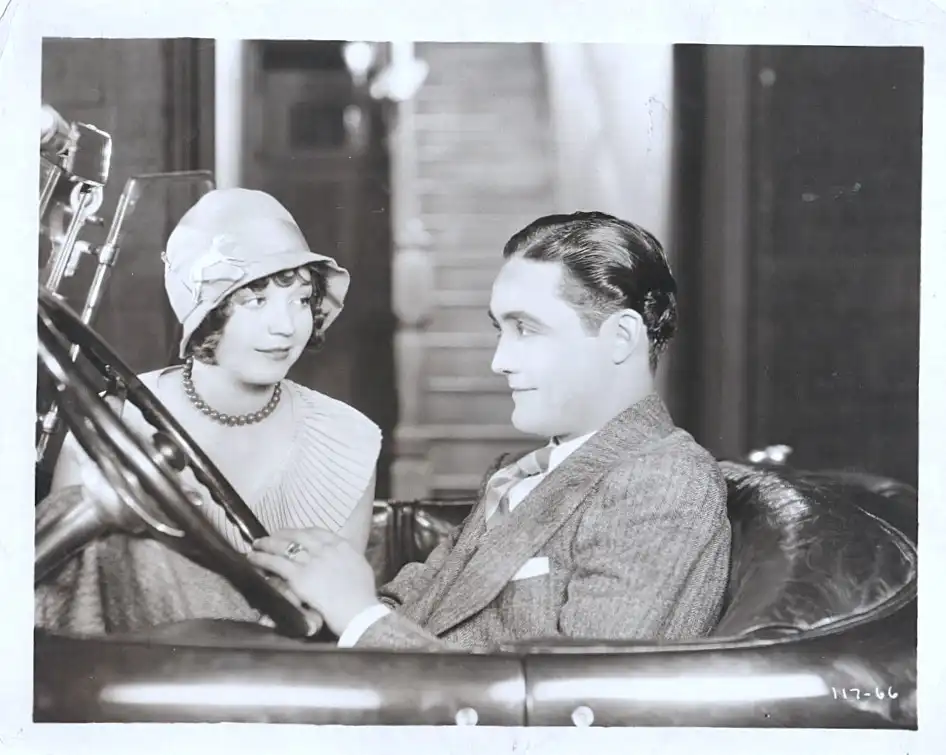
While deeply rooted in United States, The Big Noise has achieved a global reach, influencing directors from various backgrounds. Its ability to translate cult tropes into a universal cinematic language is why it remains a cult staple decades after its 1928 release.
| Cinematography | Handheld |
| Soundtrack | Experimental |
| Editing | Elliptical |
| Art Direction | Expressionist |
Visualizing the convergence of Allan Dwan's style and the core cult narrative.
John Stoval, a guard in a New York subway, thinks that Philip Hurd, who owns a concession at Coney Island, would make a good husband for his daughter Sophie. Sophie, however, has her sights set on Bill Hedges, the son of a wealthy farmer in upstate New York. Her father arranges for her to marry Hurd in exchange for a 25% interest in the concession, but matters come to a halt when John slips and falls off a subway platform and is injured.
Decades after its release, The Big Noise remains a vital piece of the cinematic puzzle. Its influence can be seen in countless modern works, solidifying Allan Dwan's status as a master of the craft in United States and beyond.