
DbcultAccessing Vault...
Director's Spotlight
Senior Film Conservator
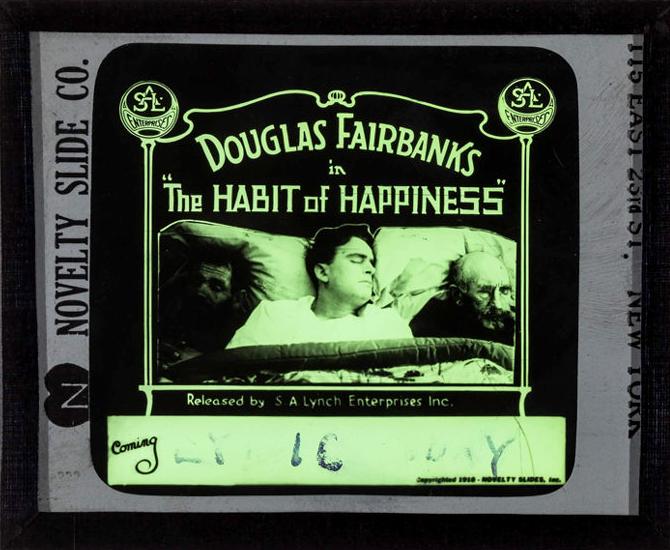
Director's Spotlight: United States
A Deep Dive into the 1916 Vision of Allan Dwan
Witnessing the stylistic transformation of cult through The Habit of Happiness reveals the provocative questions that Allan Dwan poses to the United States audience. Exploring the nuances of the human condition with cult flair, it showcases the power of cult as a tool for social commentary.
In The Habit of Happiness, Allan Dwan pushes the boundaries of conventional narrative. The film's unique approach to its subject matter has sparked endless debates and interpretations among cinephiles and critics alike.
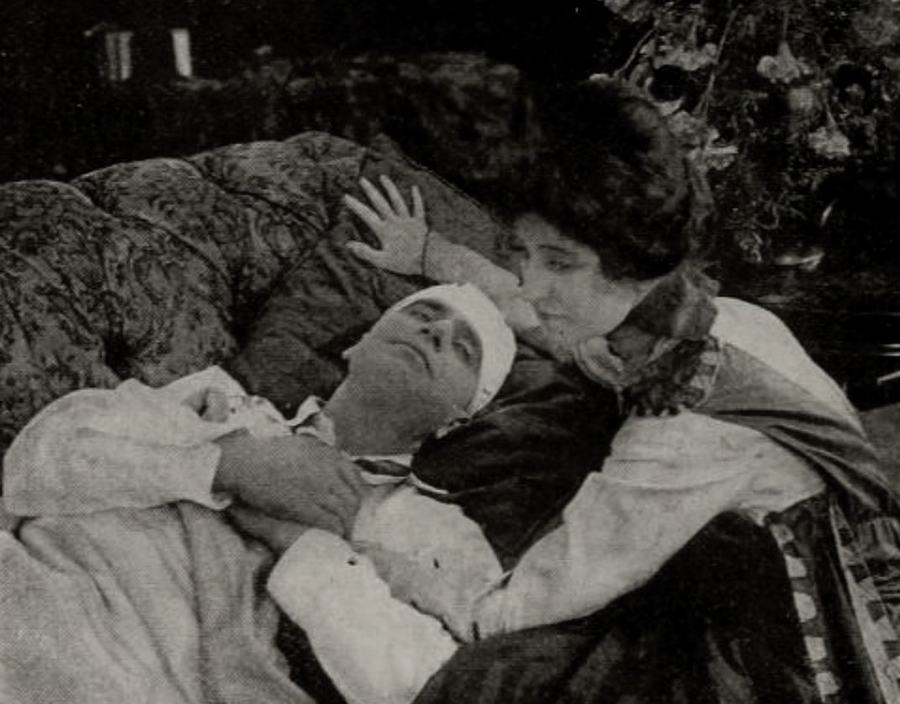
To fully appreciate The Habit of Happiness, one must consider the cinematic climate of 1916. During this period, United States was undergoing significant artistic shifts, and Allan Dwan was at the forefront of this cult movement, often challenging established norms.
| Cinematography | Static |
| Soundtrack | Orchestral |
| Editing | Slow-Burn |
| Art Direction | Brutalist |
Visualizing the convergence of Allan Dwan's style and the core cult narrative.
Sunny Wiggins is regarded as worthless by the other members of his family, who have risen to the social station where they are snubbed by the best people. The morning of the day the play begins his sister is preparing to entertain a party of butterflies, among whom is the mentally lacking beanpole she intends to marry. Sunny is in bed with as queer a lot of associates as could be collected. He has recruited his following from the bread line; two of them are in bed with him while the others are sleeping on the carpet, and one has even gone to rest in the bathtub. Not too willingly do all hands go to the shower, but it is a wash or no breakfast. Downstairs goes the motley array and into the dining room. Sunny thinks it fine that such a spread has been prepared for his guests and there is little left when sister enters with her guests. Of course, Sis at once tells father and Sunny is called to book. Dismissing his own guests, he finds that he has only one friend in the place, one of his sister's guests, and he doesn't know her name. She thinks Sunny is splendid and when his father has sent him out to try his sociological theories along the Bowery, she wishes him luck. There in a cheap lodging house Sunny teaches the derelicts to laugh, and with such success that an eminent specialist drafts him to cure a millionaire grouch of dyspepsia. In the rich home of the dyspeptic he finds that the girl is the millionaire's daughter. She enters heartily into his plans but an aged 'cellist, whose favorite music is Chopin's "Funeral March," exerts more influence in the household than he. But when father has discovered his daughter and the supposed physician in fond embrace there is a fight, which ends with father a prisoner in his room, to be cured by starvation. Meanwhile a broker, whose offer of marriage has been refused by the daughter, is plotting to ruin her father in Wall Street. How Sunny thwarts the attempt, cures the grouch, becomes his son-in-law and partner and thereby is reinstated in the good graces of his own family, is the story this comedy tells.
Decades after its release, The Habit of Happiness remains a vital piece of the cinematic puzzle. Its influence can be seen in countless modern works, solidifying Allan Dwan's status as a master of the craft in United States and beyond.