
DbcultAccessing Vault...
Director's Spotlight
Senior Film Conservator
Director's Spotlight: United States
A Deep Dive into the 1918 Vision of Allen Curtis
The enduring fascination with Who's to Blame? is a testament to the artistic risks taken by Allen Curtis that eventually paid off. Challenging the viewer to find meaning in the cult shadows, it reminds us of the fragility and beauty of the 1918s.
In Who's to Blame?, Allen Curtis pushes the boundaries of conventional narrative. The film's unique approach to its subject matter has sparked endless debates and interpretations among cinephiles and critics alike.
While deeply rooted in United States, Who's to Blame? has achieved a global reach, influencing directors from various backgrounds. Its ability to translate cult tropes into a universal cinematic language is why it remains a cult staple decades after its 1918 release.
| Cinematography | High-Contrast |
| Soundtrack | Experimental |
| Editing | Elliptical |
| Art Direction | Expressionist |
Visualizing the convergence of Allen Curtis's style and the core cult narrative.
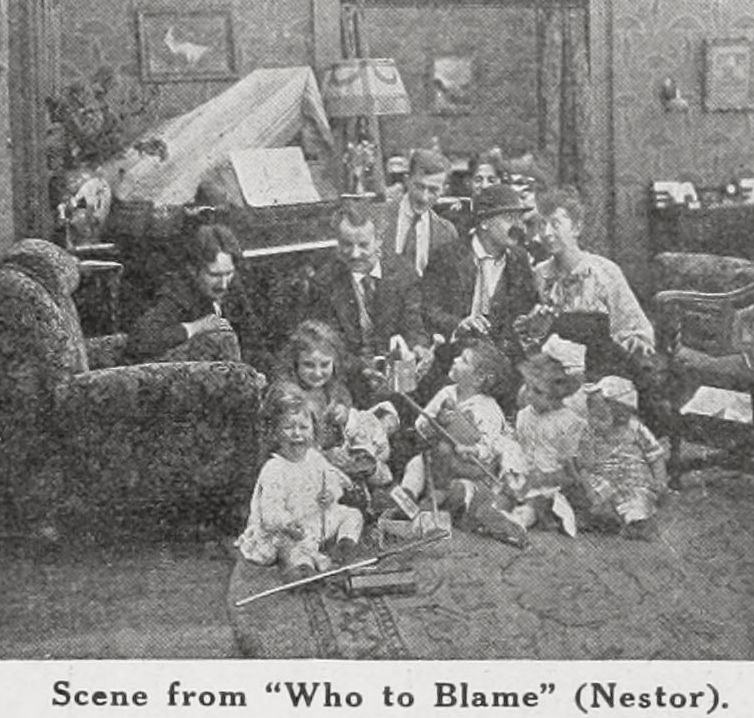
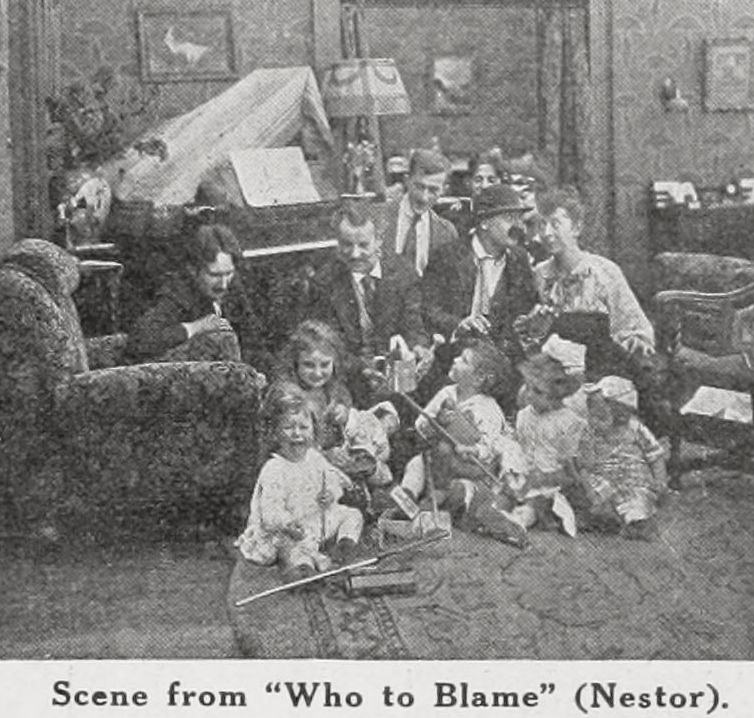
Mr. Popp was promised a raise. But the prospects were bad, so he decided to bust up the business by coming down late and going home early. At eleven Mr. Popp strolled into the dining-room to find the table littered with baby clothes. This was a great shock to him, for he didn't know - that his wife was making dresses for the Red Cross dollies, so he departed for the office with the happy thought that he was about to become a father. Soon he received a phone call from the maid, asking him to come home, that there was a surprise awaiting him. Mr. Popp came home to find the baby sitting up in the carriage, smiling happily. He phoned the office and asked the boys to come over to see the baby. Then, to his dismay, he learns that it is not his baby. Here was a perplexing situation for poor Popp. After sister and her baby had gone, Popp and Mrs. Popp rushed out to find a baby for the time being. Seeing a baby carriage near they wheeled it into their home, just as the boys arrived. "Doesn't the baby resemble its mother?" queried the apparently happy father: but the bunch couldn't see it, for, on close inspection, the baby was found to be a Jap. Suddenly the sky broke, and the owner of the child rushed in and claimed its own. But Popp would get his raise, so he adopted a whole orphan asylum and succeeded.
Decades after its release, Who's to Blame? remains a vital piece of the cinematic puzzle. Its influence can be seen in countless modern works, solidifying Allen Curtis's status as a master of the craft in United States and beyond.