
DbcultAccessing Vault...
Director's Spotlight
Senior Film Conservator
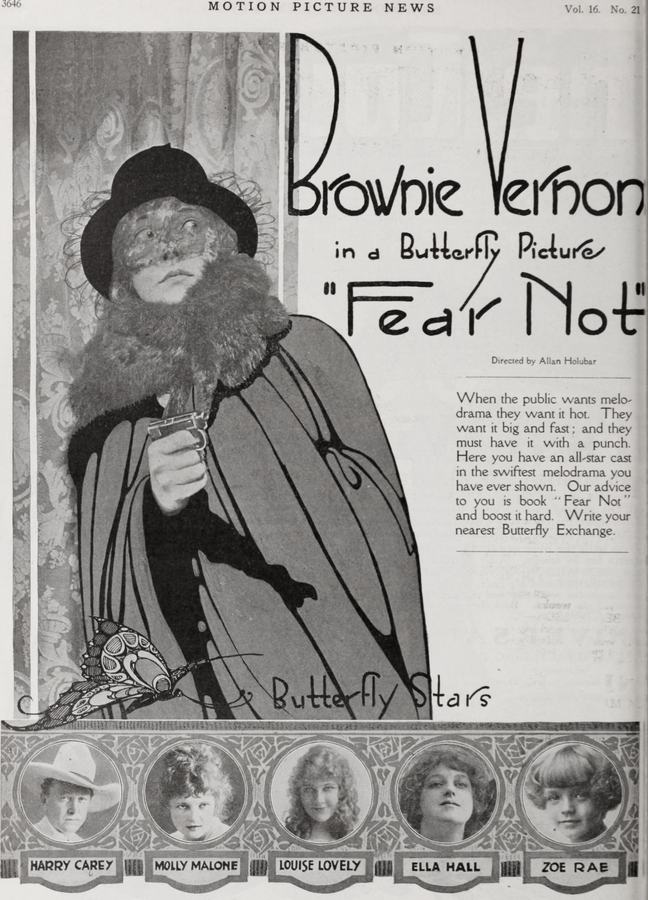
Director's Spotlight: United States
A Deep Dive into the 1917 Vision of Allen Holubar
Exploring the cult underpinnings of Fear Not leads us to the uncompromising vision of Allen Holubar that defines this cult masterpiece. Melding the raw energy of United States with a global cult appeal, it echoes the profound changes occurring in United States during that era.
In Fear Not, Allen Holubar pushes the boundaries of conventional narrative. The film's unique approach to its subject matter has sparked endless debates and interpretations among cinephiles and critics alike.
While deeply rooted in United States, Fear Not has achieved a global reach, influencing directors from various backgrounds. Its ability to translate cult tropes into a universal cinematic language is why it remains a cult staple decades after its 1917 release.
| Cinematography | Deep Focus |
| Soundtrack | Diegetic |
| Editing | Elliptical |
| Art Direction | Expressionist |
Visualizing the convergence of Allen Holubar's style and the core cult narrative.
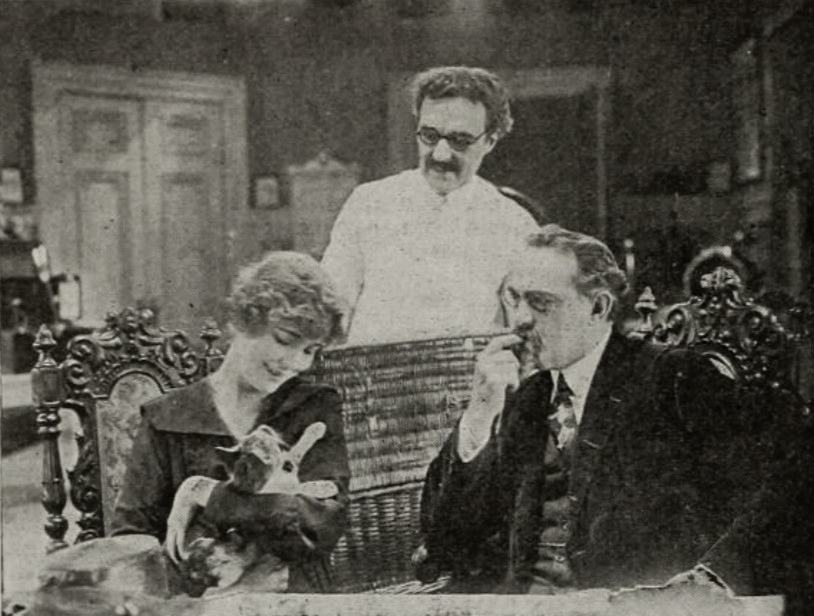
Brothers James and Allen Mornington are both addicted to cocaine and both believe that their addiction is caused by a hereditary failing. James rises to the position of judge, but when Allen is brought into his court on drug charges, James resigns. The two brothers, along with James's daughter, Hilda, then retire to the country to fight their desire for drugs. Although James is under a doctor's care for his habit, Allen continues to supply his brother with cocaine. The doctor discovers this and in an argument is shot and killed by Allen. The murder snaps James's mind and Hilda, believing that her father is guilty, assumes the blame for the crime. She is convicted and sentenced to be hanged when the doctor's assistant, Franklin Shirley, comes to her aid. Shirley induces his friend, criminologist Mortimer Gildane, to take Hilda's case, and Gildane succeeds in extracting a confession from Allen. Acquitted of the crime, Hilda still fears falling heir to her family's predilection towards drugs, until Franklin dispels her apprehensions and she agrees to marry him.
Decades after its release, Fear Not remains a vital piece of the cinematic puzzle. Its influence can be seen in countless modern works, solidifying Allen Holubar's status as a master of the craft in United States and beyond.