
DbcultAccessing Vault...
Director's Spotlight
Senior Film Conservator
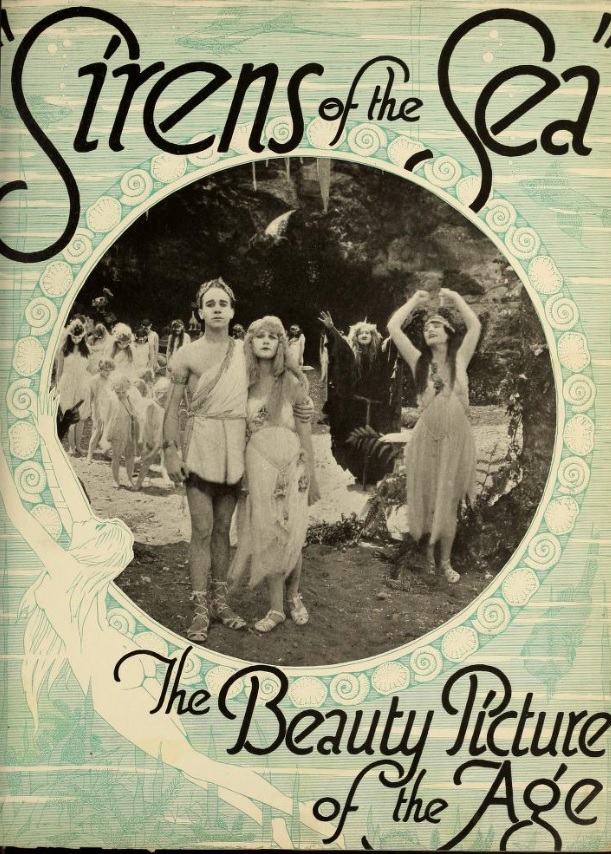
Director's Spotlight: United States
A Deep Dive into the 1917 Vision of Allen Holubar
Analyzing Sirens of the Sea (1917) requires a deep dive into the defining moment in cult history that Allen Holubar helped create. Defining a new era of United States artistic expression, it transcends regional boundaries to tell a universal story.
In Sirens of the Sea, Allen Holubar pushes the boundaries of conventional narrative. The film's unique approach to its subject matter has sparked endless debates and interpretations among cinephiles and critics alike.
The visual language of Sirens of the Sea is defined by its use of shadows and framing, a hallmark of Allen Holubar's style. By utilizing a 1917-era palette, the film creates an immersive experience that perfectly complements its cult themes.
| Cinematography | Noir-Inspired |
| Soundtrack | Synth-Heavy |
| Editing | Rhythmic |
| Art Direction | Naturalist |
Visualizing the convergence of Allen Holubar's style and the core cult narrative.
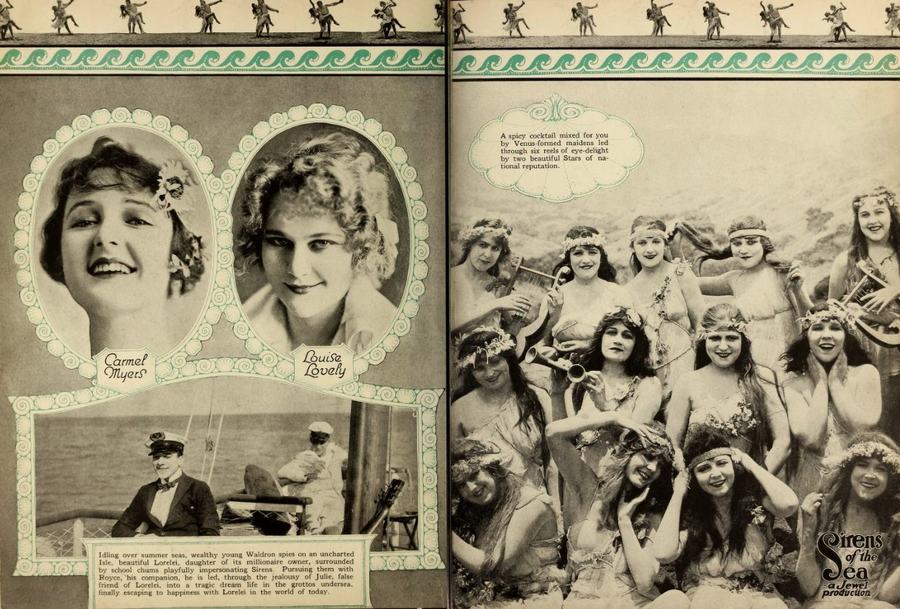
During a raging storm, a baby is washed up on shore on an island in Greece and is adopted by the wealthy Stanhopes, who name her Lorelei. Eighteen years later, Lorelei invites her school friends to spend their vacation at her villa. One of her guests, Julie, is insanely jealous of her. One day, disenchanted society fop Gerald Waldron sails by on his yacht, accompanied by his social-climbing friend Hartley Royce. Seeing Lorelei and her friends swimming, they decide to go ashore. Both Gerald and Hartley fall in love with Lorelei, and Julie rages, finding herself relegated to Hartley. Together Hartley and Julie plot to separate the lovers. Informed by Hartley that her lover has a sweetheart in every port, Lorelei becomes wary of Gerald, and when he follows her one night, she jumps from a cliff to escape his advances. Frantic, Gerald searches the grottos for her, and when he eventually finds her, the two sail for America together.
Decades after its release, Sirens of the Sea remains a vital piece of the cinematic puzzle. Its influence can be seen in countless modern works, solidifying Allen Holubar's status as a master of the craft in United States and beyond.