
DbcultAccessing Vault...
Director's Spotlight
Senior Film Conservator
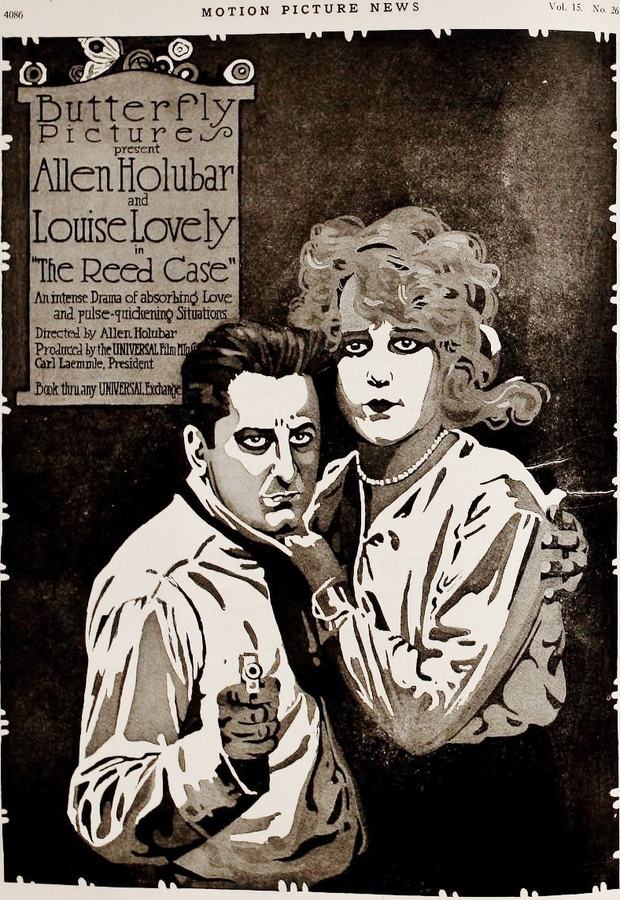
Director's Spotlight: United States
A Deep Dive into the 1917 Vision of Allen Holubar
Deciphering the layers of The Reed Case (1917) reveals the complex thematic architecture established by Allen Holubar. Utilizing a 1917-specific aesthetic that remains timeless, it stands as the definitive 1917 statement on cult identity.
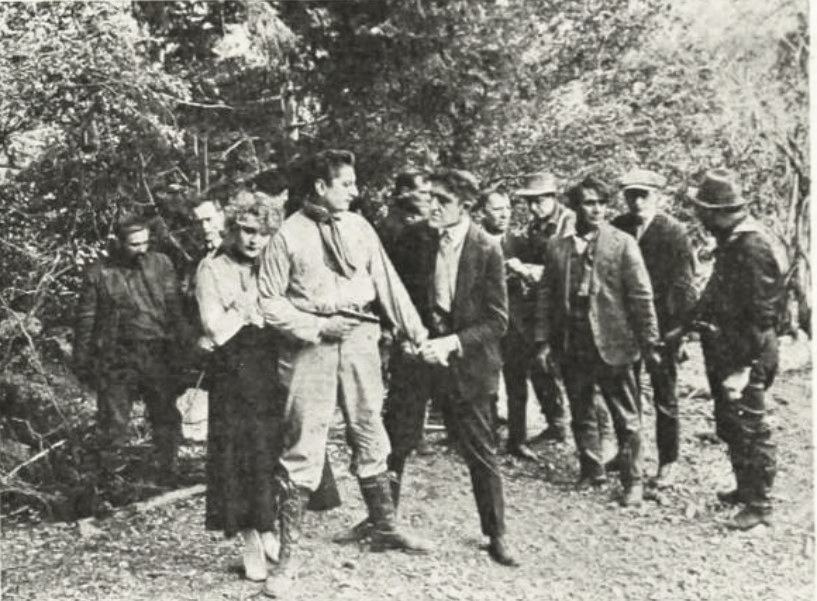
In The Reed Case, Allen Holubar pushes the boundaries of conventional narrative. The film's unique approach to its subject matter has sparked endless debates and interpretations among cinephiles and critics alike.
| Cinematography | Handheld |
| Soundtrack | Experimental |
| Editing | Elliptical |
| Art Direction | Expressionist |
Visualizing the convergence of Allen Holubar's style and the core cult narrative.
When, after three years of active service, ace detective Jerry Brennon is ordered by his doctor to take a rest, Senator Reed, Jerry's staunch supporter since he arrested two crooks burglarizing the Reed home, prevails upon the detective to stay at his cabin in the mountains. Warned that the cabin is haunted, Jerry's suspicion is aroused when a bullet whizzes past his head. While searching the cabin, Jerry discovers a secret door that conceals a sobbing Helen Reed, who has been missing since her refusal to marry Schuyler Hastings. Learning that Helen has been kidnapped, Jerry drives to the village, enlists the aid of the sheriff and rushes back in time to arrest the kidnappers when they return to the cabin. Caught in the act, Helen's abductors admit that they were hired by Schuyler, who was planning to rescue Helen in a ploy to win her love. The Reeds are overjoyed to have their daughter back, and Jerry makes their happiness complete when he proposes to Helen.
Decades after its release, The Reed Case remains a vital piece of the cinematic puzzle. Its influence can be seen in countless modern works, solidifying Allen Holubar's status as a master of the craft in United States and beyond.