
Cult Cinema, Film Analysis, Fandom Studies
The Altar of the Abnormal: Why We Worship Cinema’s Outcast Masterpieces
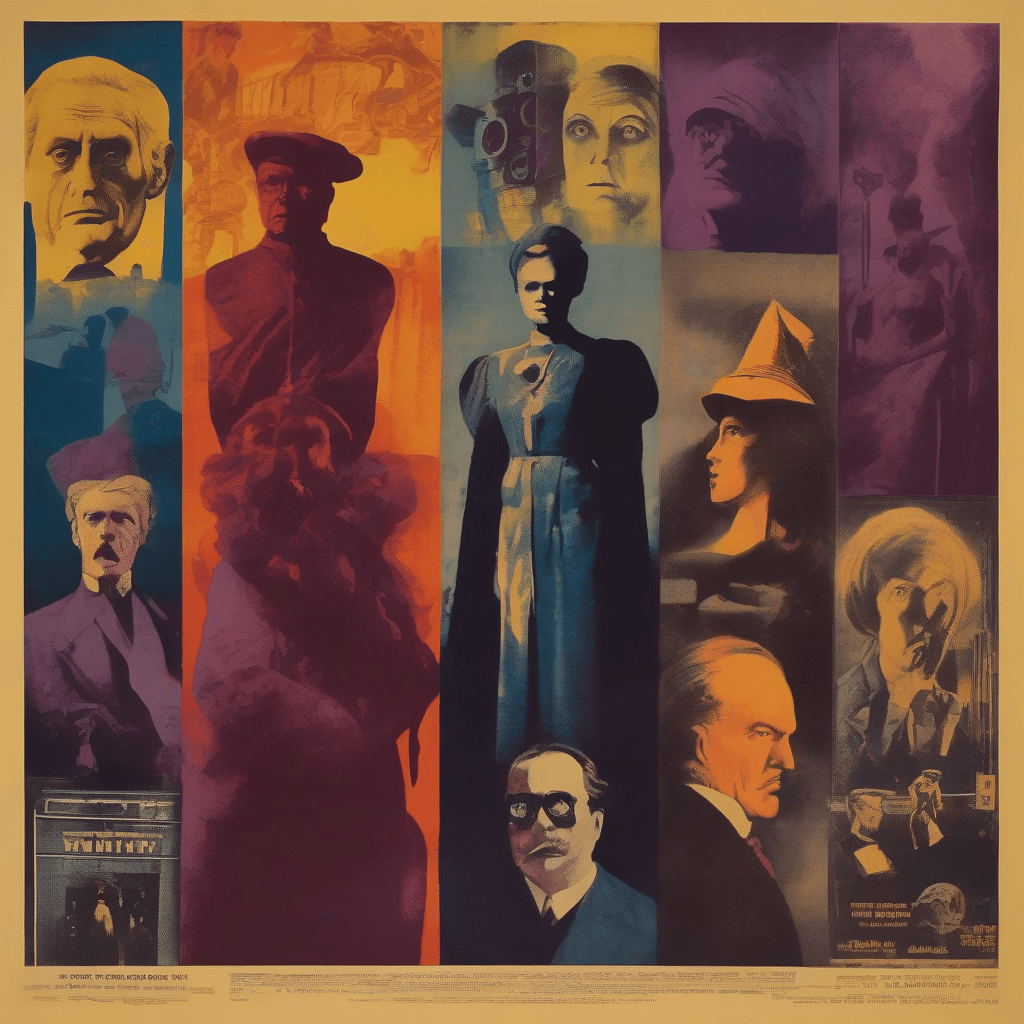
“Delve into the enigmatic world of cult cinema, exploring how films once dismissed find their fervent congregations and etch an indelible mark on cinematic history. This article uncovers the shared rituals and deep-seated appeal that transform cinematic anomalies into revered masterpieces.”
In the vast, ever-expanding universe of cinema, certain films defy easy categorization. They don't always rake in billions at the box office, nor do they typically sweep the major awards. Yet, they possess an undeniable, almost magnetic pull, drawing in audiences with an intensity that transcends fleeting trends. These are the cult films, the cinematic outcasts that find their true home not in mainstream acclaim, but in the passionate, often obsessive, devotion of a dedicated few. From the silent era's curious anomalies to modern-day midnight movie staples, the spirit of cult cinema has always been a powerful, subversive force, shaping tastes and forging communities around shared, unconventional visions.
What exactly defines a cult film? It's more than just being unpopular or obscure. It's about a unique, often challenging, artistic statement that resonates deeply with a niche audience, frequently gaining traction through word-of-mouth, repeat viewings, and a communal experience that elevates the film beyond mere entertainment into something akin to a shared ritual. These films often break norms, whether narrative, aesthetic, or thematic, daring to explore territories the mainstream shies away from. This exploration of the 'abnormal' or 'unconventional' is precisely what transforms a simple film into a revered object of worship, an altar of the abnormal where cinematic rebels find their congregation.
The Genesis of the Unconventional: Echoes from Cinema's Dawn
While the term 'cult film' might evoke images of midnight screenings and participatory audiences from the 1970s onwards, the seeds of this phenomenon were sown far earlier, in the nascent years of cinema itself. Even in the silent era, filmmakers experimented with narratives and themes that, for their time, pushed boundaries or presented unique perspectives. These early cinematic experiments, though perhaps not 'cult' in the modern participatory sense, demonstrated a willingness to stray from formula and explore the human condition in often raw, unfiltered ways.
Consider films like The Redemption of White Hawk, which delves into themes of cultural clash and identity, or The Scarlet Sin, exploring moral transgression and societal conflict. These narratives, even in their early forms, hinted at the complex, often uncomfortable truths that later cult films would boldly embrace. They weren't always designed for mass appeal, but rather to provoke thought or elicit strong emotional responses, foreshadowing the provocative nature inherent in future cult classics. The melodramatic intensity of The Waxen Doll or the stark drama of Beyond the Rocks, with its tale of forbidden love, demonstrate that cinema, from its very beginning, harbored a capacity for stories that resonated beyond simple entertainment, touching on deeper, often subversive, emotional currents.
Characters on the Fringe: The Allure of the Outcast
A hallmark of many cult films is their focus on characters who exist on the fringes of society, the misfits, the rebels, and the morally ambiguous. These characters often challenge conventional heroism and morality, inviting audiences to empathize with the unorthodox. This fascination with the outsider is not a modern invention. Early cinema, too, explored this terrain.
Films such as Riders of Vengeance, where a good-hearted outlaw turns 'grimly malevolent' after tragedy, or Kick In, following street urchins turned gangsters, presented protagonists grappling with challenging circumstances and making questionable choices. While these might have been framed within a moralistic narrative for early audiences, today we can appreciate how these characters prefigure the anti-heroes and complex figures that populate so many beloved cult classics. Even the lighthearted struggle of Snub in At the Ringside, a cop fighting for his lady friend's frankfurter stand, showcases an underdog spirit that connects with audiences on a visceral level.
The yearning for acceptance and the struggle against societal norms are visible in films like Environment, where Liz and her alcoholic father are rejected by their New England village. Such narratives, even if presented with early cinematic conventions, tapped into universal feelings of alienation and the desire to belong, themes that are central to the appeal of many cult films, drawing in audiences who themselves feel like outsiders.
Subversion and Transgression: Challenging the Status Quo
Cult cinema thrives on subversion. It delights in upending expectations, twisting genres, and confronting audiences with ideas or imagery that might be uncomfortable or provocative. This transgressive spirit is what often alienates mainstream viewers initially but galvanizes a dedicated following. Early cinema, in its own way, also harbored this rebellious streak.
While the Hays Code and other forms of censorship would later stifle overt transgression, films of the 1910s and 20s often tackled social issues and moral dilemmas with a directness that could be surprising. Warning! The S.O.S. Call of Humanity, for instance, implies a sense of urgent social commentary, a call to action that goes beyond simple entertainment. The Bludgeon depicts a chemist's moral decay after acquiring wealth, a cautionary tale that critiques ambition and materialism. These narratives, even if didactic, offered a critical lens on society, a precursor to the more overtly rebellious and satirical cult films of later decades.
The very act of early filmmaking was, in itself, a kind of transgression against established art forms. It was a new, raw medium, unburdened by tradition. This freedom allowed for unconventional narratives and visual storytelling. Even seemingly simple comedies like Charlie Chaplin’s A Day's Pleasure or the animated antics in Felix Comes Back, with their slapstick chaos and disregard for conventional pacing, represent a form of narrative anarchy that finds its echo in the genre-bending, rule-breaking spirit of modern cult classics.
The Power of Aesthetic and Vision: Crafting Distinctive Worlds
Beyond narrative, the distinctive aesthetic and singular vision of a director or creative team are crucial to a film's cult appeal. Whether it's the surreal landscapes of David Lynch or the hyper-stylized violence of Quentin Tarantino, cult films often possess a visual and atmospheric signature that is instantly recognizable. In the early days of cinema, without established conventions, every film was an opportunity to forge a new visual language.
Silent films, by necessity, relied heavily on visual storytelling, exaggerated performances, and innovative cinematography to convey emotion and plot. The expressive power of the actors in dramas like Eyes of the Soul or the comedic timing in Hard Luck created indelible impressions through purely visual means. The unique charm of early animation, as seen in A Family Affair or Down the Mississippi, cultivated distinctive worlds with their own internal logic and visual gags, laying groundwork for animated works that would later achieve cult status.
Even early serials or episodic films like Our Mutual Girl, with their weekly cliffhangers and evolving narratives, demonstrated an early understanding of how to build sustained engagement through unique storytelling formats. While not 'cult' in the contemporary sense, their serialized nature created a dedicated, recurring audience, a precursor to the communal devotion that defines cult fandom.
Community and Repeat Viewings: The Ritual of Fandom
Perhaps the most defining characteristic of cult cinema is the community it fosters. These films are not merely watched; they are experienced, discussed, celebrated, and often re-watched countless times. This shared experience transforms passive viewing into an active, almost ritualistic engagement. While the midnight movie circuit of the 70s cemented this participatory culture, the roots of cinematic community are as old as film itself.
Early cinema was inherently a communal activity. Audiences gathered in nickelodeons and grand picture palaces, sharing laughter, gasps, and tears in unison. A film like A Day's Pleasure, a Chaplin short, would have elicited collective amusement, fostering a shared cultural touchstone. The shared experience of seeing something novel, something exciting, or something profoundly moving, laid the psychological groundwork for the intense communal bonding that defines cult fandom. Even if they weren't dressing up as characters or shouting lines back at the screen, these early audiences were forming a collective identity around the films they loved.
The discussions that would follow a screening, the anticipation for the next installment of a serial, or the simple act of recommending a film to a friend – these are all foundational elements of what would become cult fandom. Films like The Heiress at Coffee Dan's, with its intriguing plot, or Winning with Wits, showcasing a determined heroine, would have sparked conversations and interpretations, deepening their impact on individual viewers and creating shared memories.
Longevity and Rediscovery: The Slow Burn to Icon Status
Many cult films were not immediate successes. Some were critical failures, others simply ignored. Their cult status often develops over time, a slow burn of rediscovery and re-evaluation. They might be championed by critics, film historians, or simply a dedicated group of fans who refuse to let them fade into obscurity. This phenomenon of delayed appreciation is a testament to the enduring power of certain cinematic works that are simply ahead of their time or too peculiar for their initial release.
Looking at the list of early films, many are now obscure, perhaps only known to dedicated archivists and film historians. Yet, within this obscurity lies a parallel to the cult film narrative. Films like Less Than the Dust, with its exotic setting and themes of identity, or The Lure of the Bush, hinting at untamed wilderness and perhaps unconventional lives, could easily have been overlooked in their time but found new meaning or appreciation by those who later unearthed them. The very act of unearthing these cinematic relics is a form of cult activity, a dedication to preserving and understanding marginalized cinematic history.
The journey of a film from obscurity to iconic cult status is often unpredictable. It speaks to the democratic nature of fandom, where popular opinion can be overturned by passionate advocacy. Films like Wildflower or Sandy, with their romantic and aspirational narratives, might have touched specific individuals deeply, creating personal cults of one before potentially expanding. This personal connection, often forged in solitude, is the bedrock upon which larger cult followings are built, demonstrating that a film's true value isn't always measured in its initial commercial success.
The Enduring Legacy: Why We Keep Coming Back
The power of cult cinema lies in its ability to speak to something deeper within us – a yearning for the unconventional, a desire for belonging, and an appreciation for art that dares to be different. It’s a testament to the idea that true cinematic greatness isn't always found in universal appeal, but often in the profound connection forged with a specific, devoted audience. These films offer a sanctuary for those who feel alienated by mainstream culture, a place where their unique tastes are not just tolerated but celebrated.
From the moral quandaries in His House in Order to the comedic trials of A Day's Pleasure, the threads of what would become cult cinema are woven throughout film history, even in its earliest tapestry. They remind us that the allure of the abnormal, the fascination with the outcast, and the joy of shared, unconventional experience have always been fundamental aspects of our relationship with the moving image. These films are more than just stories; they are experiences, communities, and enduring legacies that continue to captivate and inspire, proving that sometimes, the most profound impact comes from the most unexpected places.
In a world increasingly homogenized by algorithms and blockbuster formulas, the cult film remains a vital counter-cultural force. It’s a reminder that art can, and should, challenge, provoke, and unite. The altar of the abnormal stands strong, a beacon for all who seek cinematic experiences beyond the ordinary, a testament to the enduring power of films that dare to be different and find their devoted tribe.
Community
Comments
Log in to comment.
Loading comments…