
Cult Cinema
The Shadow Gospel: Unveiling the Transgressive Soul and Narrative Anarchy of Cinema’s Earliest Genre Outliers
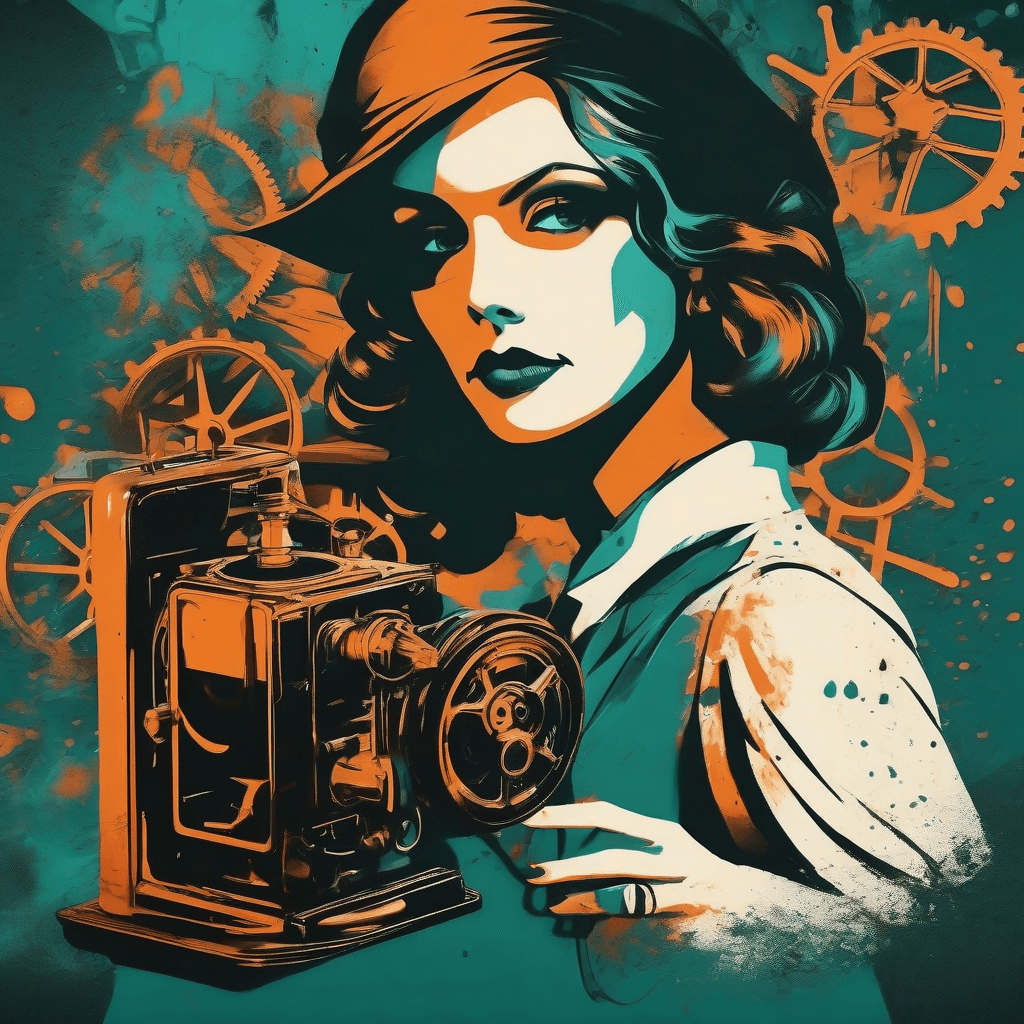
“A deep dive into the primal roots of cult cinema, exploring how the silent era's misfits and genre-defying experiments laid the foundation for modern niche obsession.”
The history of cinema is often written by the victors—the blockbusters that defined decades and the prestige dramas that swept awards. Yet, beneath the polished surface of film history lies a more jagged, vibrant, and dangerous terrain: the realm of the cult film. Long before the midnight movie phenomenon of the 1970s, the seeds of cinematic obsession were sown in the silent era and the early days of talkies. These were the genre outliers, the narrative mutants, and the transgressive experiments that refused to fit into the burgeoning Hollywood machine. To understand the modern cult psyche, we must look back at the shadow gospel of early cinema—a collection of films that prioritized vision over profit and eccentricity over convention.
The Genesis of the Maverick Mindset
What makes a film a "cult" classic? It is not merely a lack of initial success, but a specific type of friction between the work and the audience. It is a sense of discovery, a feeling that the film belongs to a secret society of viewers. In the early 1910s and 20s, this friction was often born from a radical disregard for established storytelling tropes. Consider the psychological depth of The Invisible Power (1921). While many contemporary films were content with simple melodrama, this film delved into the esoteric world of thought-suggestion and mental control. By centering a narrative on the unseen forces of the human mind, it bypassed the literalism of its era, creating a template for the psychological thrillers that would later captivate niche audiences.
This era was defined by a sense of unbounded possibility. Filmmakers were still inventing the language of the medium, and without a rigid studio system to enforce conformity, they often veered into the surreal. The work of the Fleischer brothers, specifically the Out of the Inkwell series, represents an early form of meta-narrative that would become a staple of cult cinema. By blending live action with animation, they broke the fourth wall before most audiences even knew there was a wall to break. This playful subversion of reality is the very essence of the cult experience—the moment where the medium acknowledges its own artifice and invites the viewer into the joke.
Identity, Reincarnation, and the Cult of Personality
Cult cinema often thrives on themes of identity and the desire to be someone else. This obsession with the "other" is vividly present in What Happened to Rosa (1920). Here, a simple store clerk is told she was a Spanish noblewoman in a past life, leading her to adopt a new, more vibrant persona. This narrative of self-reinvention resonates deeply with the cult film ethos, where fans often adopt the costumes, language, and mannerisms of their favorite characters. The film serves as a proto-exploration of the fandom experience—the act of projecting oneself into a more glamorous, albeit fictional, reality.
Similarly, The Millionaire Pirate (1919) tackles the intoxicating power of the image. When a pearl diver sees a portrait of himself dressed as a pirate, he becomes obsessed with the transformation. This theme of visual obsession is a cornerstone of the cult aesthetic. It’s not just about the story; it’s about the look, the costume, and the iconographic power of the frame. These early films understood that cinema is a machine for generating desire and identity, often in ways that are deeply irrational and profoundly magnetic.
The Social Outcast and the Moral Grey
Perhaps the most significant contribution of early fringe cinema to the cult canon is its willingness to explore the lives of those on the margins of society. While mainstream films often reinforced conservative values, the outliers were busy deconstructing them. The Courageous Coward (1919) provides a rare and poignant look at the Japanese-American experience, navigating the complexities of law, heritage, and social acceptance. By giving a voice to the "other," these films attracted audiences who felt similarly alienated from the status quo.
We see a similar thread in The Goddess of Lost Lake (1918), which explores the internal conflict of a mixed-race woman caught between two worlds. These narratives of liminality—of existing in the spaces between defined categories—are the lifeblood of cult cinema. The cult film is the home for the misfit, the rebel, and the person who doesn't quite fit the mold. Whether it's the struggle for dignity in The Little Wanderer (1920) or the exploration of artistic scandal in The Naked Truth (1914), these films dared to look at the parts of humanity that polite society preferred to ignore.
Narrative Anarchy and the Breakdown of Genre
If there is one thing that defines the "midnight movie" spirit, it is a chaotic blending of genres. Early cinema was rife with this kind of creative lawlessness. Take Scamps and Scandals (1919), which transitions from a romantic escape plot into a surreal high-speed chase involving a bed. This kind of tonal whiplash is exactly what modern cult fans crave—the sense that anything can happen, and the rules of logic are secondary to the thrill of the image.
Even the more "serious" efforts of the time, like Kino-pravda no. 1 (1922), contributed to the cult landscape by redefining what a film could be. Dziga Vertov’s newsreels weren't just reports; they were radical experiments in editing and perspective. They taught audiences to look at the world through a mechanical eye, fostering a type of cinephilia that values the technical and the avant-garde over the traditional narrative. This devotion to the "truth" of the image, no matter how distorted or strange, is a direct ancestor to the obsessive documentation and analysis found in modern cult communities.
The Allure of the Lost and the Forbidden
Part of the cult mystique is the rarity of the object itself. The fact that many early masterpieces, such as Disney’s 1922 version of Jack and the Beanstalk, are now lost films only adds to their legend. In the world of cult cinema, the unseen is often more powerful than the seen. The rumors of a lost cut, a banned scene, or a forgotten masterpiece drive the engine of niche devotion. This fascination with the "forbidden" or the "extinct" began in the silent era, where the physical fragility of film meant that every screening was a potential ritual of loss.
Films like Evening - Night - Morning (1920) or The Soul Market (1916) exist now as echoes of a bygone era of decadence and melodrama. They represent a time when the screen was a site of moral ambiguity and high-stakes passion. The Soul Market, with its tale of actresses and millionaires locked in a battle of manipulation, mirrors the real-world obsession with the private lives of stars—a precursor to the celebrity cults of today. These films were the original "guilty pleasures," works that pushed the boundaries of taste and decorum to provide a more visceral, less sanitized experience.
The Enduring Legacy of the Fringe
As we look back at the sprawling, chaotic history of early cinema, we see that the "cult" was never an accident. It was a deliberate choice made by filmmakers who wanted to push the medium further, and by audiences who wanted something more than just entertainment. They wanted transformation. From the wrestling matches of Stecher-Caddock (1920) to the South Sea fantasies of The Pearl of Paradise (1916), early cinema was a vast laboratory of human experience.
The maverick spirit of these early works lives on in every independent filmmaker who chooses a strange angle over a safe one, and in every fan who travels miles to see a grainy 35mm print of a forgotten gem. The shadow gospel of cinema tells us that the most important films aren't always the ones that everyone sees; they are the ones that a few people see and never forget. These are the films that haunt our dreams, that define our subcultures, and that remind us that the screen is not just a mirror, but a window into the beautifully abnormal.
In conclusion, the foundations of cult cinema were built on a bedrock of narrative anarchy, social defiance, and visual experimentation. By embracing the weird, the marginalized, and the transgressive, early filmmakers like those behind The Isle of Life (1916) or The Beloved Vagabond (1915) created a sanctuary for the unconventional. As long as there are stories that refuse to be told in the traditional way, there will be an audience waiting in the shadows to worship them. The cult is not just a category of film; it is a testament to the enduring power of the rebel heart in art.
Community
Comments
Log in to comment.
Loading comments…