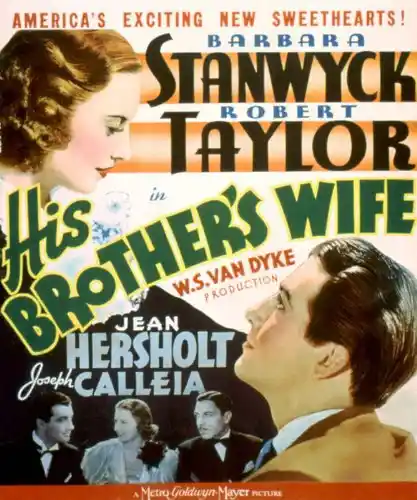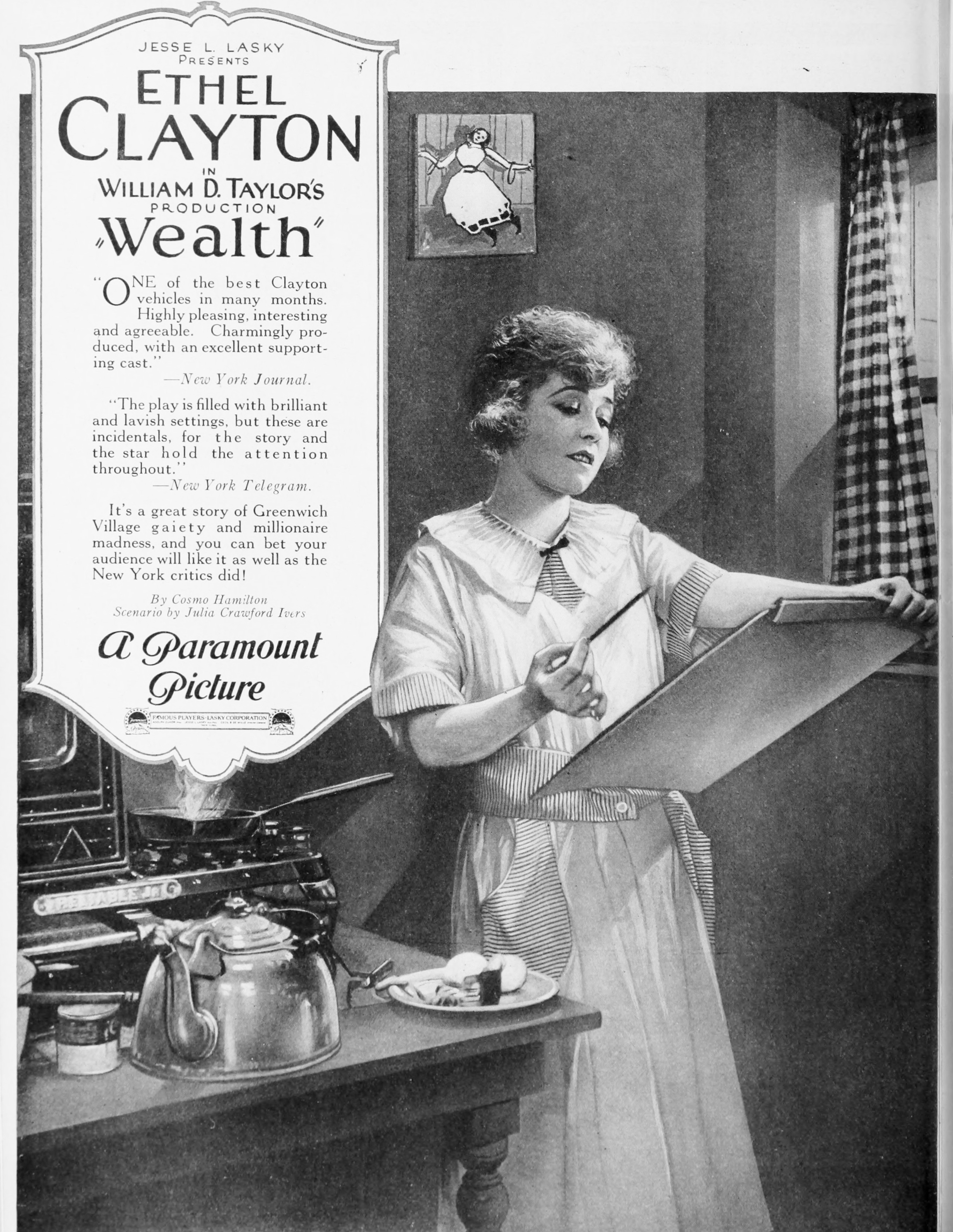
Artist Mary McLeod, while returning to New York, discovers she has lost her train ticket; young Phillip Dominick, a millionaire playboy, offers her his drawing room, posing as her brother, and their friendship in time develops into love. They are married, and Phillip takes his bride to his wealthy mother, on whom he is financially dependent.
WealthA Labyrinth of Love, Legacy, and LiberationIn the annals of pre-Code cinema, few films dissect the tension between individual agency and inherited legacy as incisively as Wealth (1932). Director J.M. Dumont, alongside screenwriters Cosmo Hamilton and Julia Crawford Ivers, crafts a narrative that is equal parts op...
publicity
publicity
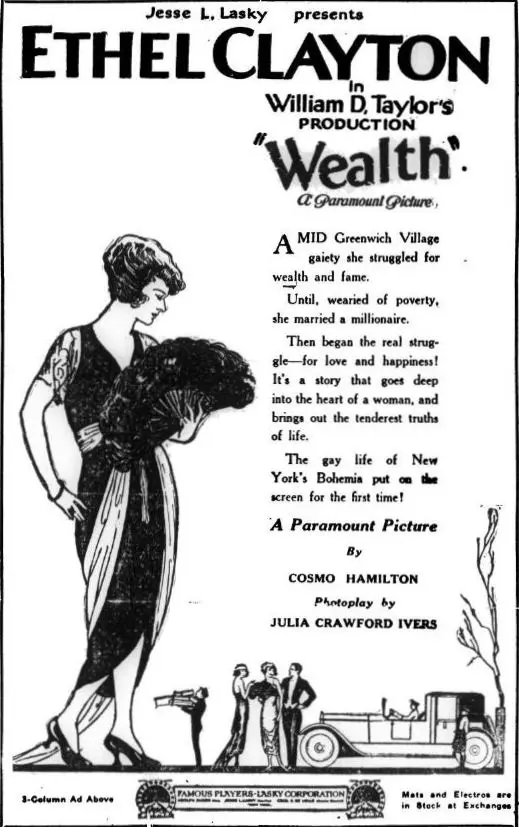
production_art
Comparing the cinematic DNA and archive impact of two defining moments in cult history.
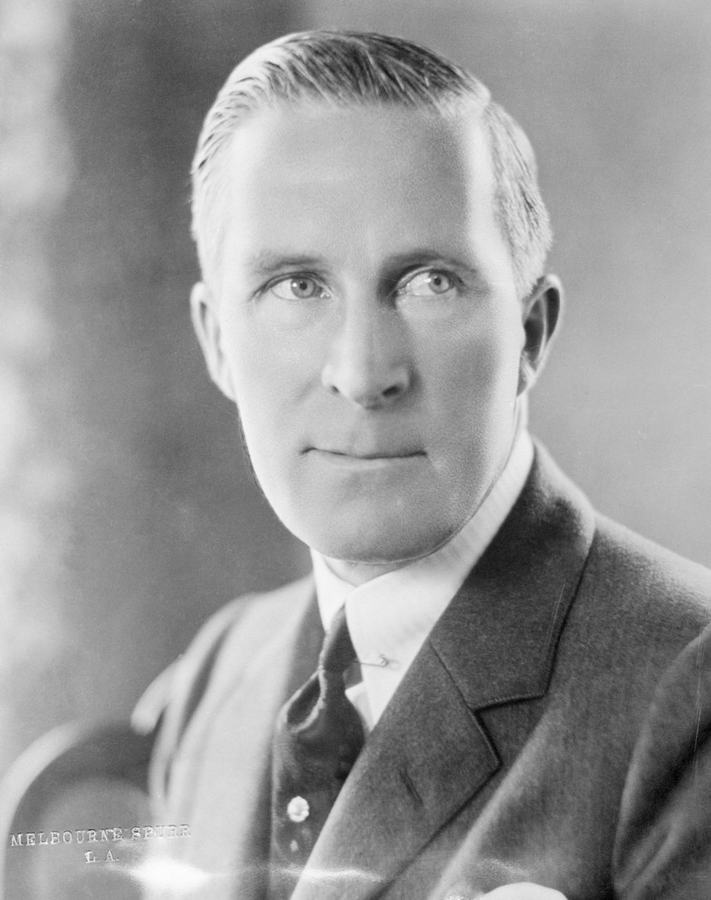
William Desmond Taylor
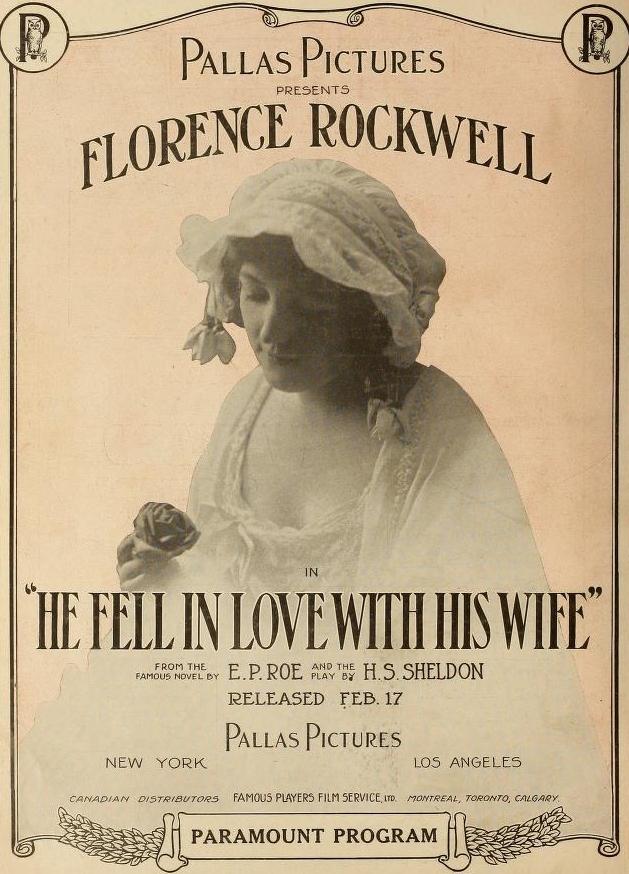
William Desmond Taylor
Community
Log in to comment.
"WealthA Labyrinth of Love, Legacy, and LiberationIn the annals of pre-Code cinema, few films dissect the tension between individual agency and inherited legacy as incisively as Wealth (1932). Director J.M. Dumont, alongside screenwriters Cosmo Hamilton and Julia Crawford Ivers, crafts a narrative that is equal parts operatic romance and socioeconomic critique. The film’s opening—Mary McLeod’s (Jean Acker) misplaced train ticket—serves as a potent metaphor for her displacement in a world dictated..."
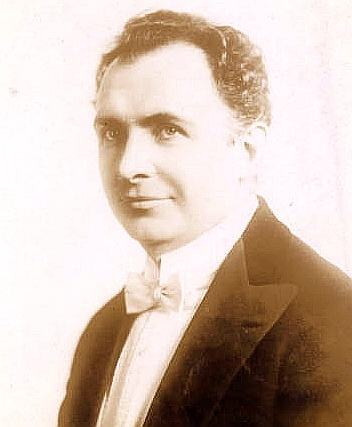
George Periolat
Cosmo Hamilton, Julia Crawford Ivers
United States