
DbcultAccessing Vault...
Director's Spotlight
Senior Film Conservator
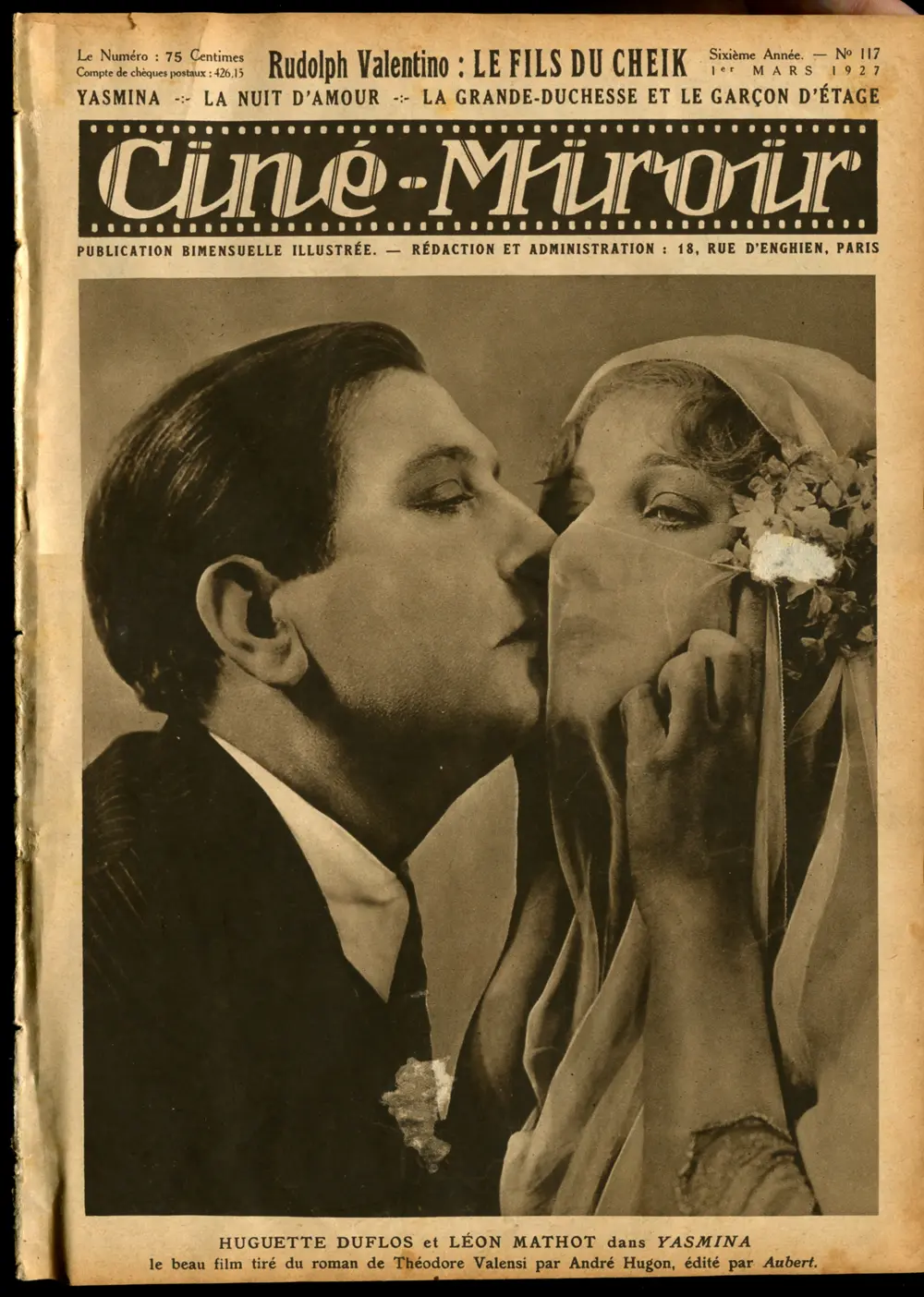
Director's Spotlight: France
A Deep Dive into the 1927 Vision of André Hugon
The artistic breakthrough represented by Yasmina in 1927 highlights the uncompromising vision of André Hugon that defines this cult masterpiece. In the context of France's rich cinematic history, it captures a specific kind of cinematic magic that is rarely replicated.
In Yasmina, André Hugon pushes the boundaries of conventional narrative. The film's unique approach to its subject matter has sparked endless debates and interpretations among cinephiles and critics alike.
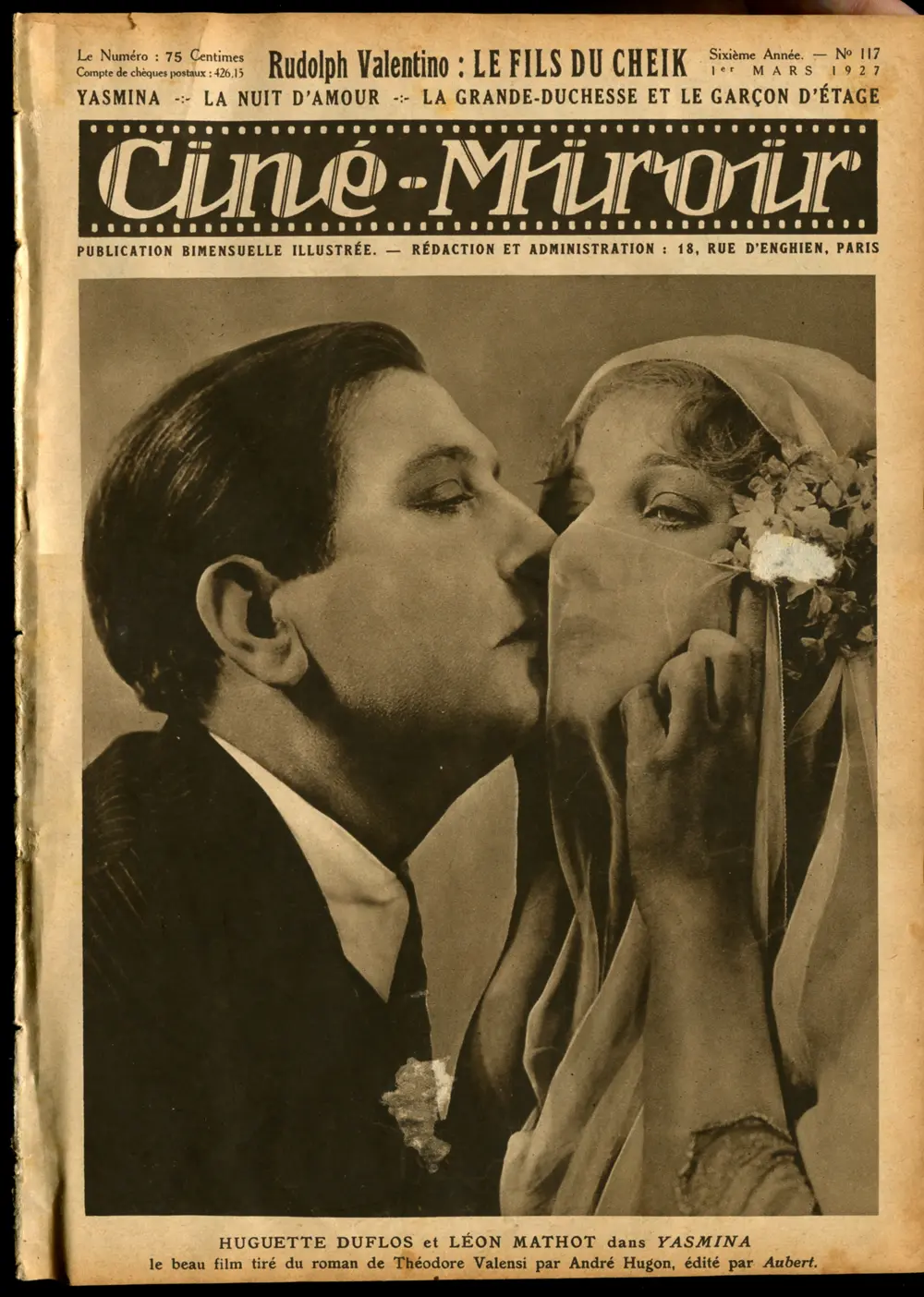
In this work, André Hugon explores the intersection of cult and France cultural identity. The meticulous attention to detail suggests a deep-seated commitment to pushing the boundaries of the medium, ensuring that Yasmina remains a relevant topic of study for cult enthusiasts.
| Cinematography | High-Contrast |
| Soundtrack | Diegetic |
| Editing | Elliptical |
| Art Direction | Expressionist |
Visualizing the convergence of André Hugon's style and the core cult narrative.
Yasmina, a rich Tunisian Princess, daughter of a French lady and a Muslim gentleman, is betrothed by her father to a rich 50-year-old man named Afsen. She reluctantly accepts the marriage but soon becomes ill from boredom and falls in love with the French doctor called from Tunis to take care of her, Hector Grandier, who also happens to be a childhood friend. Her husband finds out and Yasmina sticks a knife in her own bosom in the middle of a fight. The Princess's maid Athima accuses the old husband of attempting to kill the girl and he is sentenced to death. Hector rescues him from his fate and the two lovers are free to love each other in the eyes of the law.
Decades after its release, Yasmina remains a vital piece of the cinematic puzzle. Its influence can be seen in countless modern works, solidifying André Hugon's status as a master of the craft in France and beyond.