
DbcultAccessing Vault...
Director's Spotlight
Senior Film Conservator
Director's Spotlight: United States
A Deep Dive into the 1918 Vision of Arthur Ashley
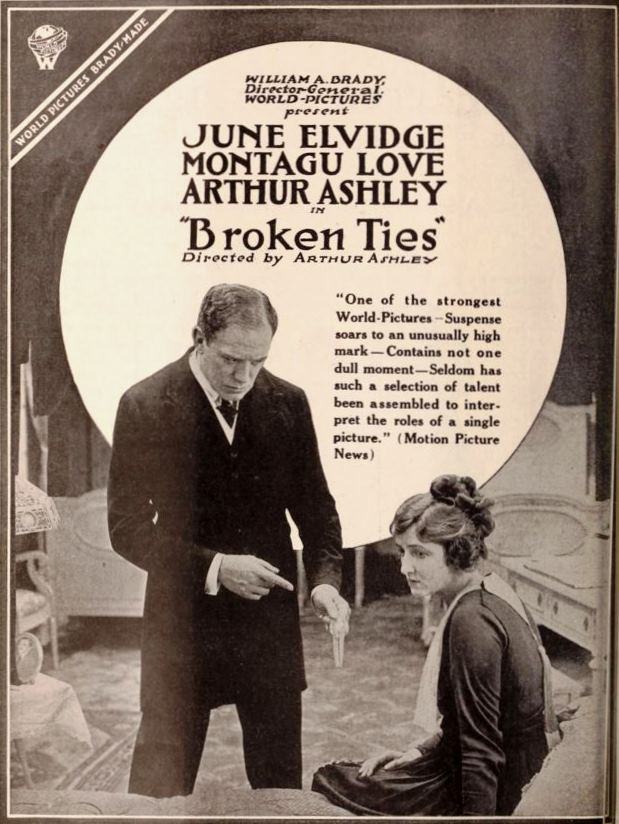
The thematic gravity of Broken Ties (1918) is rooted in the artistic risks taken by Arthur Ashley that eventually paid off. Defining a new era of United States artistic expression, it demands to be seen by anyone who cares about the art of film.
In Broken Ties, Arthur Ashley pushes the boundaries of conventional narrative. The film's unique approach to its subject matter has sparked endless debates and interpretations among cinephiles and critics alike.
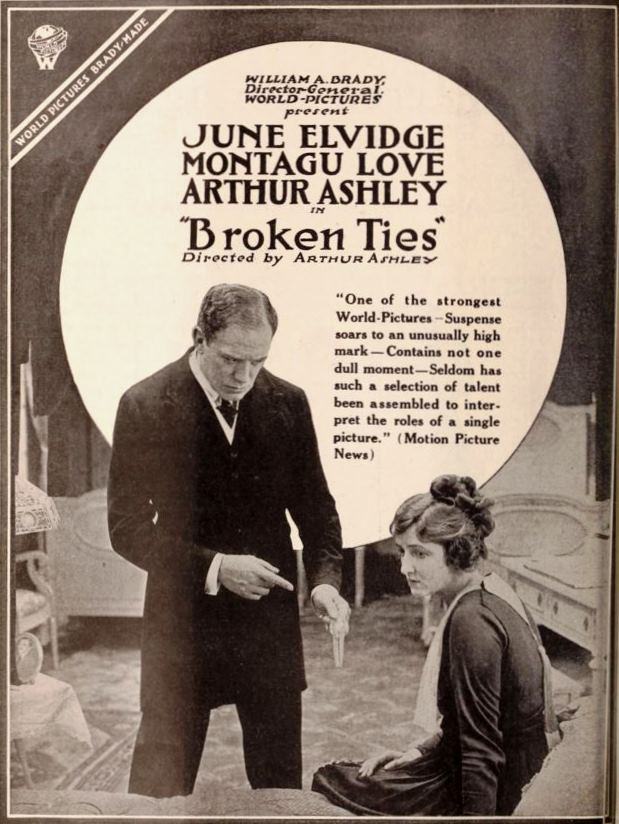
To fully appreciate Broken Ties, one must consider the cinematic climate of 1918. During this period, United States was undergoing significant artistic shifts, and Arthur Ashley was at the forefront of this cult movement, often challenging established norms.
| Cinematography | High-Contrast |
| Soundtrack | Diegetic |
| Editing | Elliptical |
| Art Direction | Expressionist |
Visualizing the convergence of Arthur Ashley's style and the core cult narrative.
Corinne La Force, who is half-black, as her father had been shipwrecked on a West Indian island colonized by blacks, is raised by Henry Hasbrook after her father's death. Corinne loves Hasbrook's nephew, Arnold Curtis, and murders Hasbrook when he tries, because of her mixed blood, to prevent the match. Marcia Fleming, a married woman with whom Arnold was having an affair, and her mother-in-law are suspects, although Arnold is arrested for the murder. John Fleming, hired to defend Arnold, renounces his wife when he learns of her involvement with Arnold. Just as Arnold is about to confess to the crime in hopes of saving Marcia's reputation, Corinne admits her guilt and stabs herself. Fleming decides to pay more attention to Marcia, and the two are reconciled.
Decades after its release, Broken Ties remains a vital piece of the cinematic puzzle. Its influence can be seen in countless modern works, solidifying Arthur Ashley's status as a master of the craft in United States and beyond.