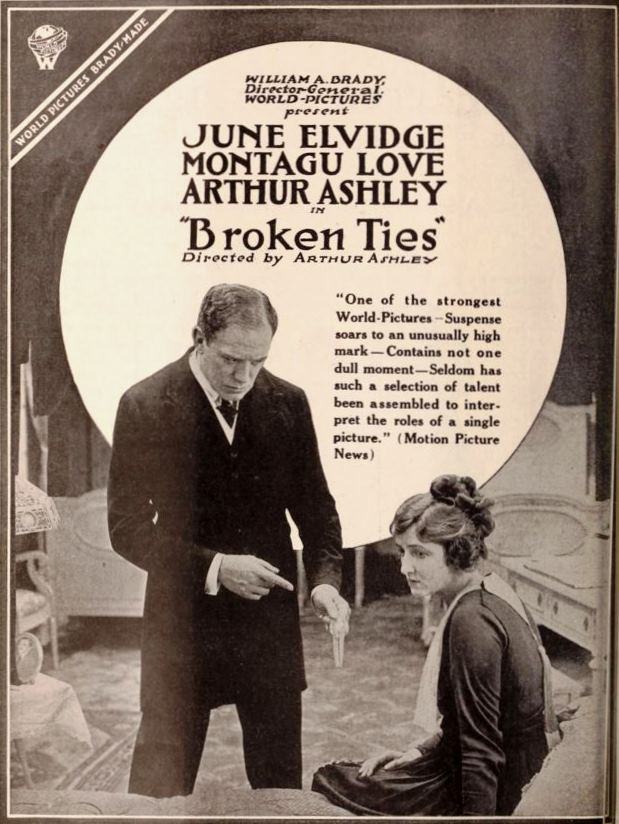
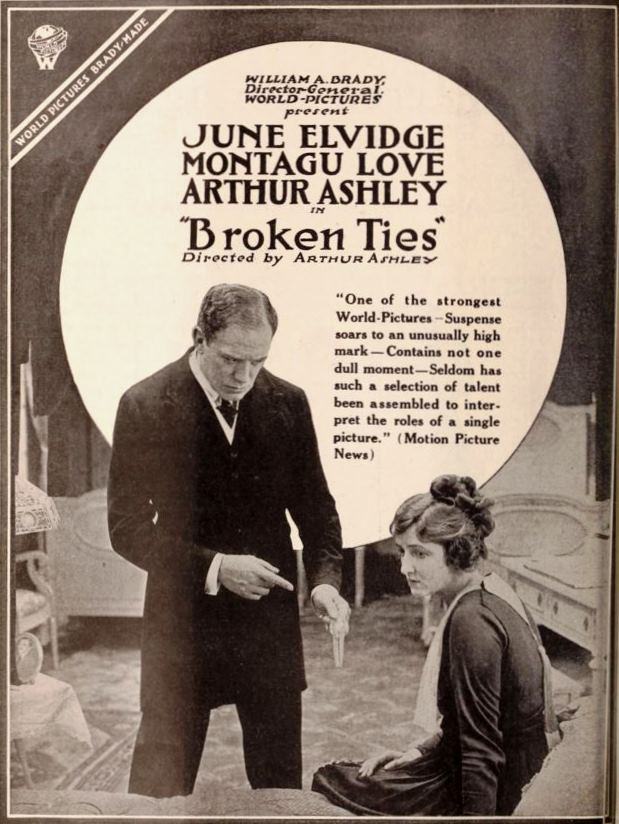
Corinne La Force, who is half-black, as her father had been shipwrecked on a West Indian island colonized by blacks, is raised by Henry Hasbrook after her father's death. Corinne loves Hasbrook's nephew, Arnold Curtis, and murders Hasbrook when he tries, because of her mixed blood, to prevent the match.
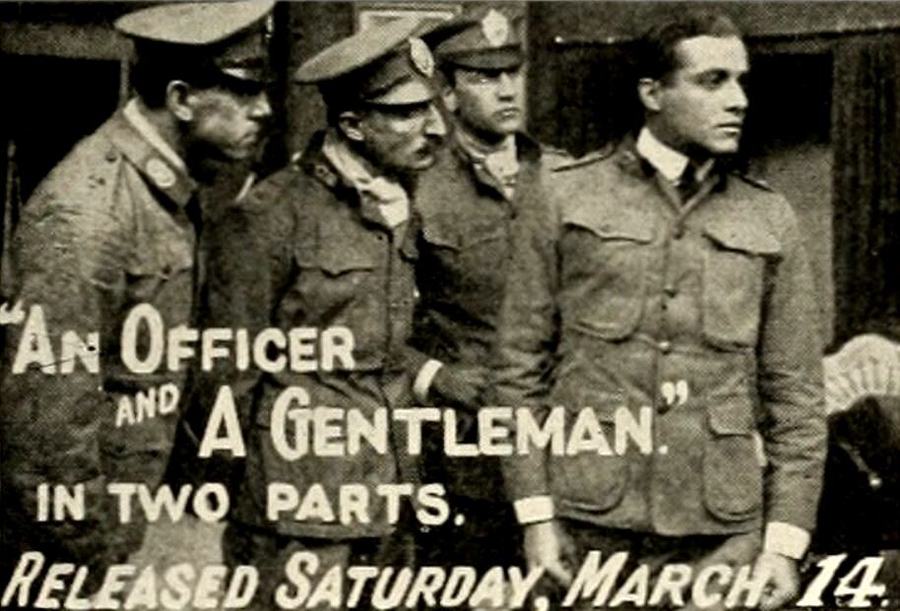
Woodbridge Clapp
United States
The year 1918 remains an enigmatic waypoint in the evolution of the moving image—a period where the primitive energy of early shorts began to coalesce into the sophisticated, often heavy-handed moral epics of the silent era. Among these artifacts, Broken Ties emerges not merely as a relic of forgotten studio systems,...
production_art
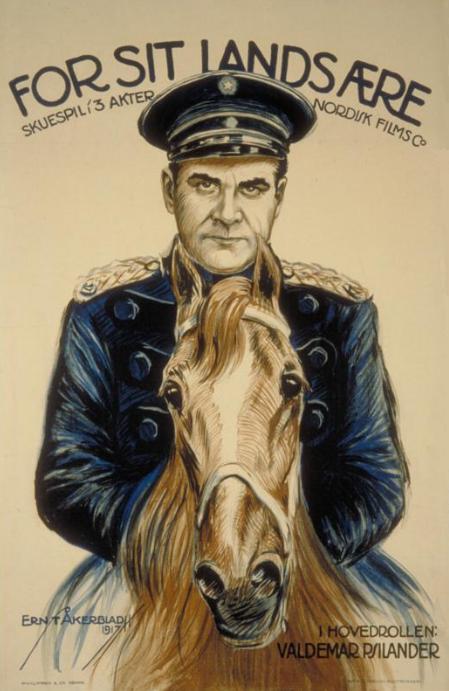
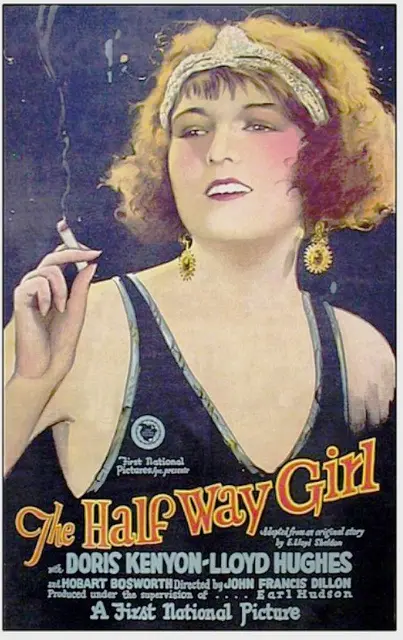
Comparing the cinematic DNA and archive impact of two defining moments in cult history.
Arthur Ashley
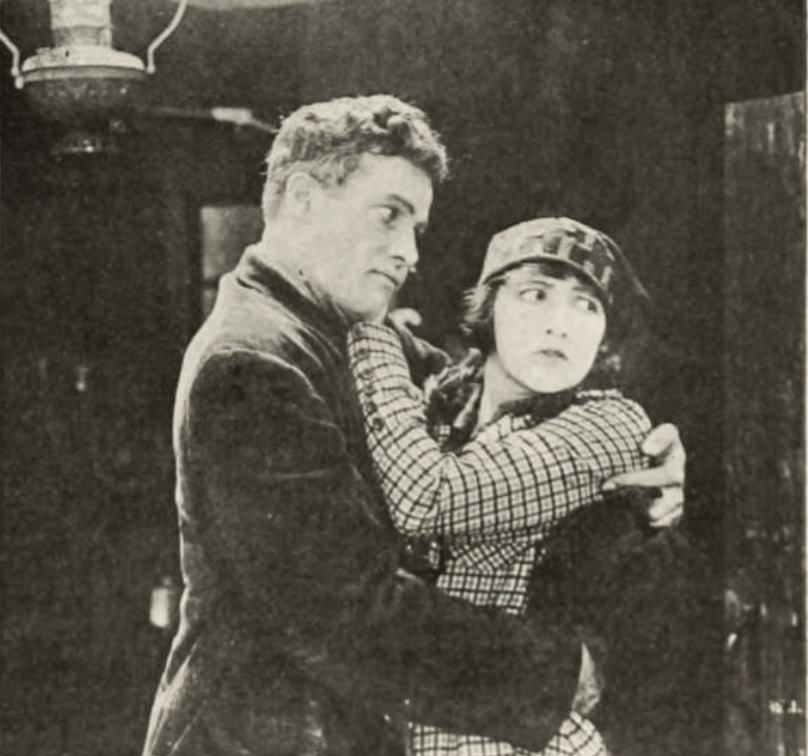
Arthur Ashley
Community
Log in to comment.
" The year 1918 remains an enigmatic waypoint in the evolution of the moving image—a period where the primitive energy of early shorts began to coalesce into the sophisticated, often heavy-handed moral epics of the silent era. Among these artifacts, Broken Ties emerges not merely as a relic of forgotten studio systems, but as a searing, if uncomfortable, exploration of identity, bloodlines, and the crushing weight of societal expectation. It is a film that breathes through its shadows, utilizing..."