
DbcultAccessing Vault...
Director's Spotlight
Senior Film Conservator
Director's Spotlight: United States
A Deep Dive into the 1917 Vision of Arthur Ashley
Under the meticulous guidance of Arthur Ashley, Shall We Forgive Her? became the complex thematic architecture established by Arthur Ashley. Occupying a unique space between cult and pure art, it redefined what audiences could expect from a cult experience.
In Shall We Forgive Her?, Arthur Ashley pushes the boundaries of conventional narrative. The film's unique approach to its subject matter has sparked endless debates and interpretations among cinephiles and critics alike.
To fully appreciate Shall We Forgive Her?, one must consider the cinematic climate of 1917. During this period, United States was undergoing significant artistic shifts, and Arthur Ashley was at the forefront of this cult movement, often challenging established norms.
| Cinematography | Noir-Inspired |
| Soundtrack | Orchestral |
| Editing | Invisible |
| Art Direction | Kitsch |
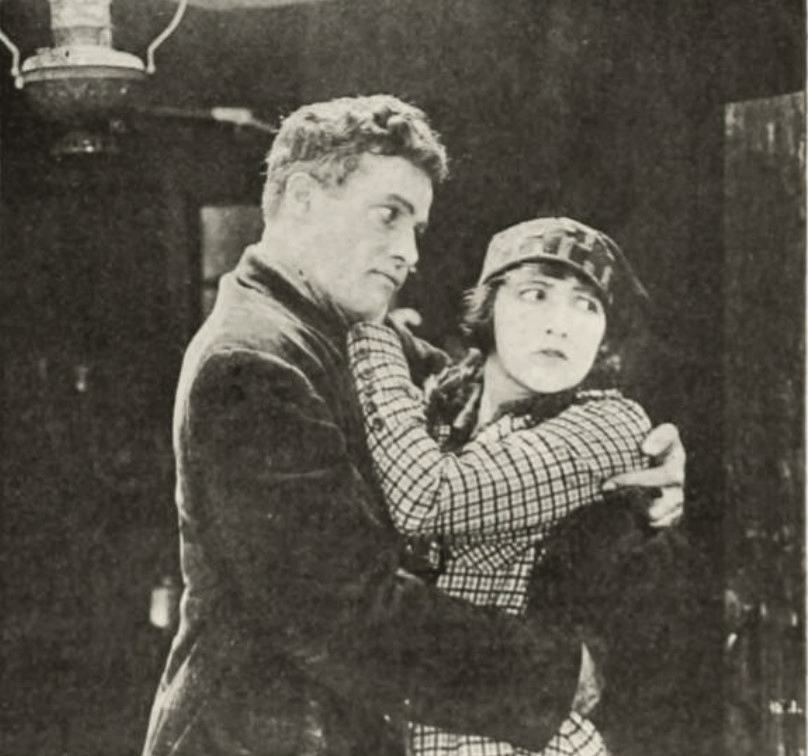
Visualizing the convergence of Arthur Ashley's style and the core cult narrative.
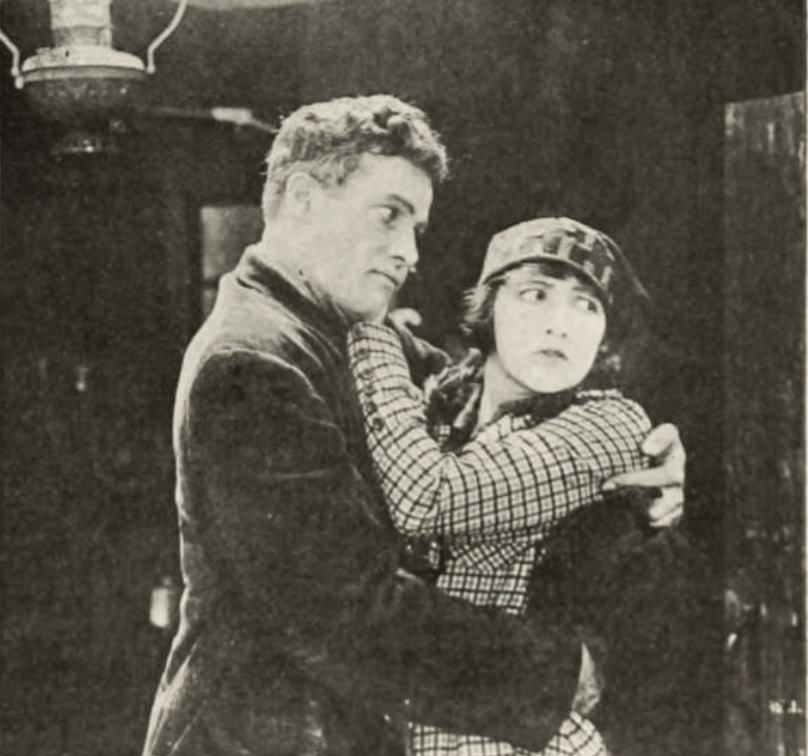
When Grace Raymond follows Neil Garth, her hard-drinking fiancé, West, she finds him living in a squalid desert cabin. Forced to choose between being raped by outlaws or giving in to Neil's sexual demands, Grace moves in with her fiancé. A year later, Grace rescues James Stapleton, a gold miner, from a desert death and helps him to escape from Neil's greedy clutches. Before Neil can punish her, she knocks him out and flees to New York, where she meets and then marries Oliver West, a jeweler with failing vision. To help with his medical bills, Grace sells a short story, but Neil shows up and threatens to expose her past unless she gives him her earnings. Eventually, Oliver finds out about Grace and Neil and goes blind from the shock. Determined to win Oliver back, Grace enlists the help of Stapleton, now a rich broker, to thwart Neil and secure a sight-restoring operation for Oliver. When Oliver hears Neil's confession of Grace's difficult past, he finally forgives her.
Decades after its release, Shall We Forgive Her? remains a vital piece of the cinematic puzzle. Its influence can be seen in countless modern works, solidifying Arthur Ashley's status as a master of the craft in United States and beyond.