
DbcultAccessing Vault...
Director's Spotlight
Senior Film Conservator
Director's Spotlight: United States
A Deep Dive into the 1918 Vision of Arthur Hoyt
To understand the modern evolution of United States film, one must first look at High Stakes and the collaborative alchemy between Arthur Hoyt and the 1918 creative team. Subverting the expectations of the typical 1918 audience, it remains a vital reference point for anyone studying the evolution of Arthur Hoyt.
In High Stakes, Arthur Hoyt pushes the boundaries of conventional narrative. The film's unique approach to its subject matter has sparked endless debates and interpretations among cinephiles and critics alike.
In this work, Arthur Hoyt explores the intersection of cult and United States cultural identity. The meticulous attention to detail suggests a deep-seated commitment to pushing the boundaries of the medium, ensuring that High Stakes remains a relevant topic of study for cult enthusiasts.
| Cinematography | High-Contrast |
| Soundtrack | Diegetic |
| Editing | Rhythmic |
| Art Direction | Naturalist |
Visualizing the convergence of Arthur Hoyt's style and the core cult narrative.
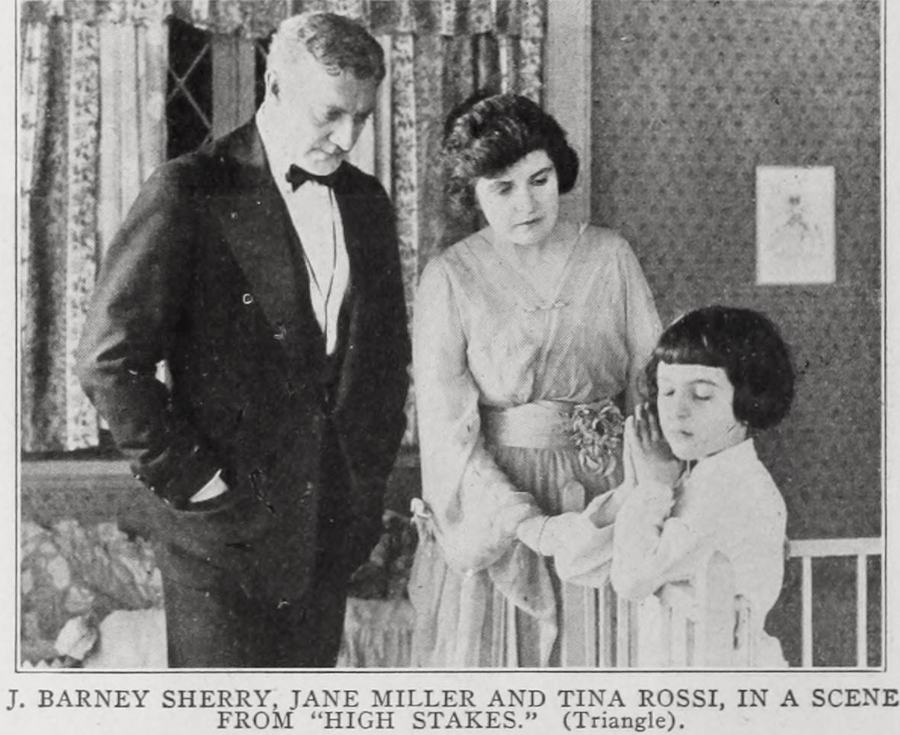
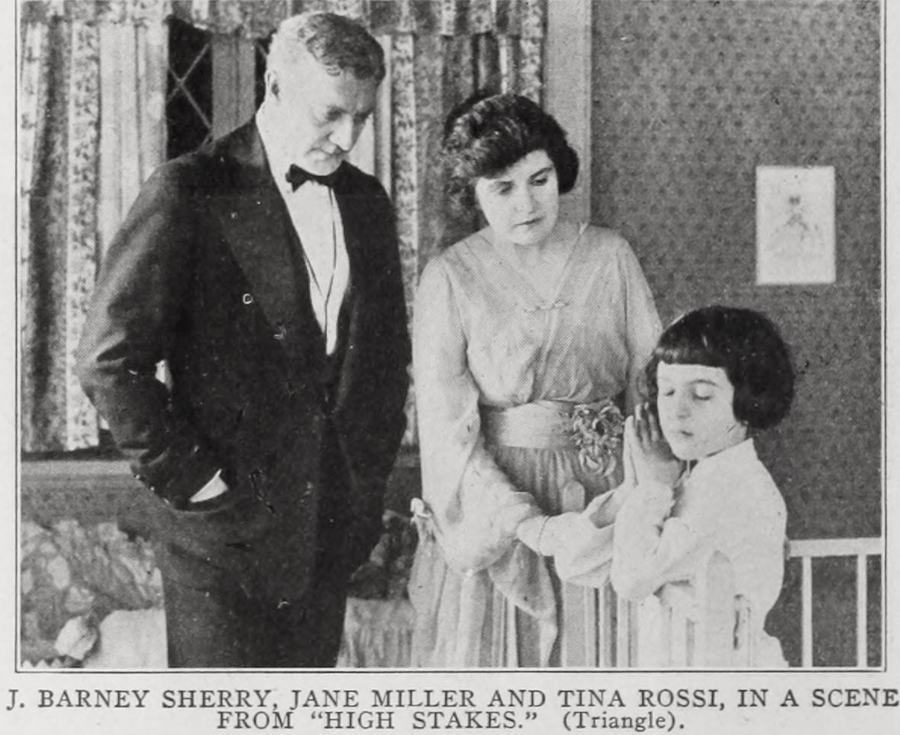
Ralph Stanning, a gentleman crook, is suspected of having stolen several famous gems from London's Kensington Museum. Scotland Yard assigns Inspector Reginald Culvert to the case, but the detective never marshals enough evidence against Standing to convict him. One day Standing rescues a woman named Marie who had jumped from the docks intending to kill herself. He then marries her and settles down in a small English village. He and his wife have a son, and the family is so happy that Standing forsakes his shady occupation to earn an honest living. After Lady Alice's pearls are stolen, Culvert lays a trap for Standing and is about to arrest him when the embarrassed woman reports that the jewels had merely fallen through a crack in the sofa. Chagrined, Culvert and his men finally agree to leave Standing in peace.
Decades after its release, High Stakes remains a vital piece of the cinematic puzzle. Its influence can be seen in countless modern works, solidifying Arthur Hoyt's status as a master of the craft in United States and beyond.