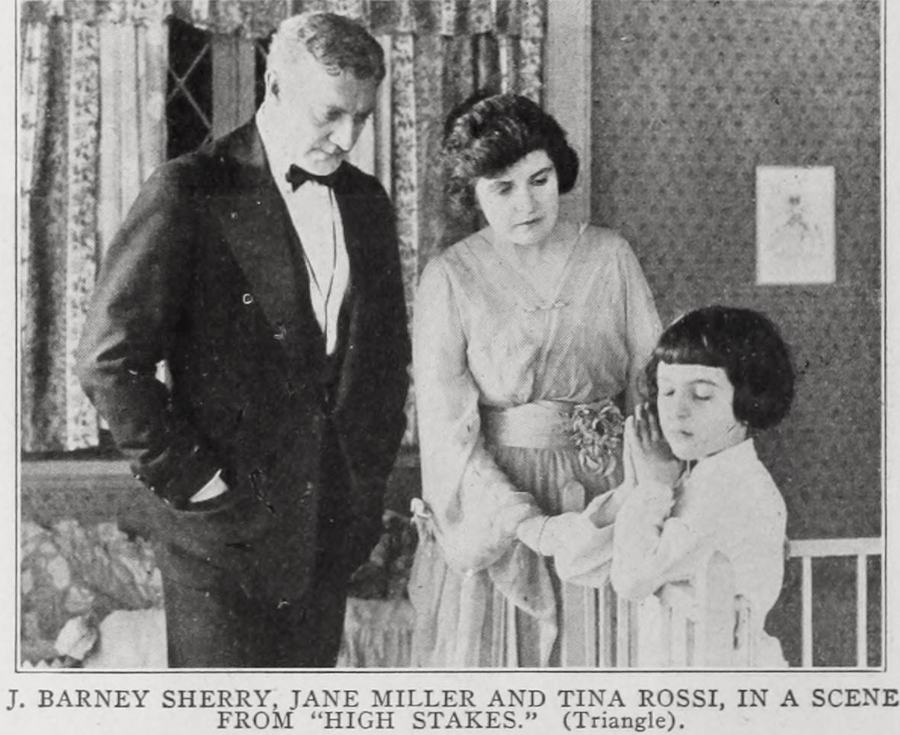
Ralph Stanning, a gentleman crook, is suspected of having stolen several famous gems from London's Kensington Museum. Scotland Yard assigns Inspector Reginald Culvert to the case, but the detective never marshals enough evidence against Standing to convict him.
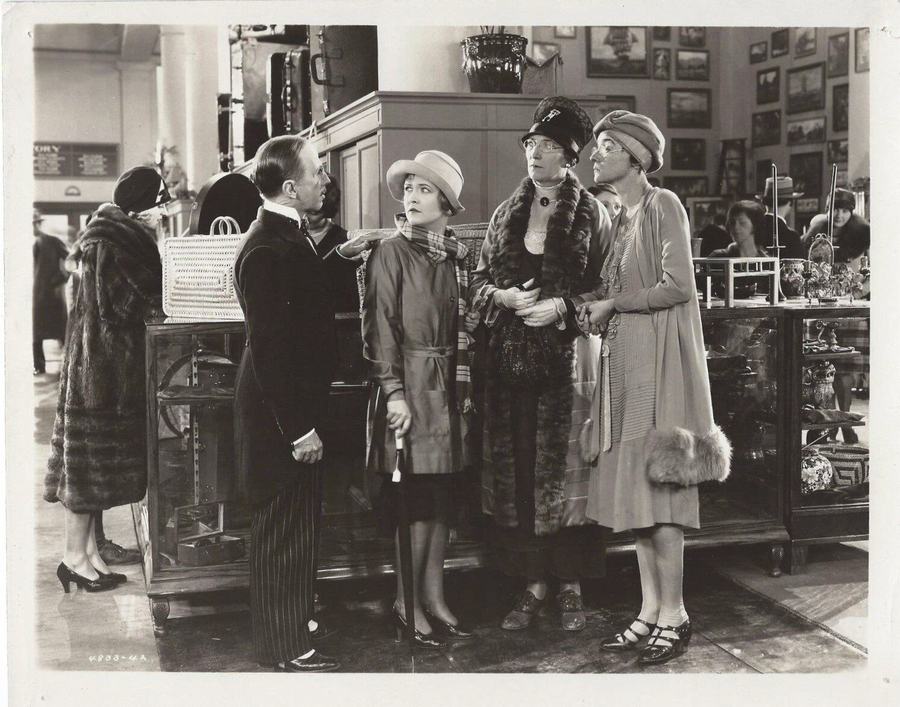
Andrew Soutar, Julian Johnson, Alan James
United States
body {background: #000; color: #fff; font-family: Georgia, serif; line-height: 1.8; margin: 0; padding: 20px} h2 {color: #C2410C; font-size: 24px; margin-top: 30px} h3 {color: #0E7490; font-size: 20px; margin-top: 20px} p {color: #fff; margin: 10px 0} a {color: #EAB308; text-decoration: none} blockquote {border-left: 4...
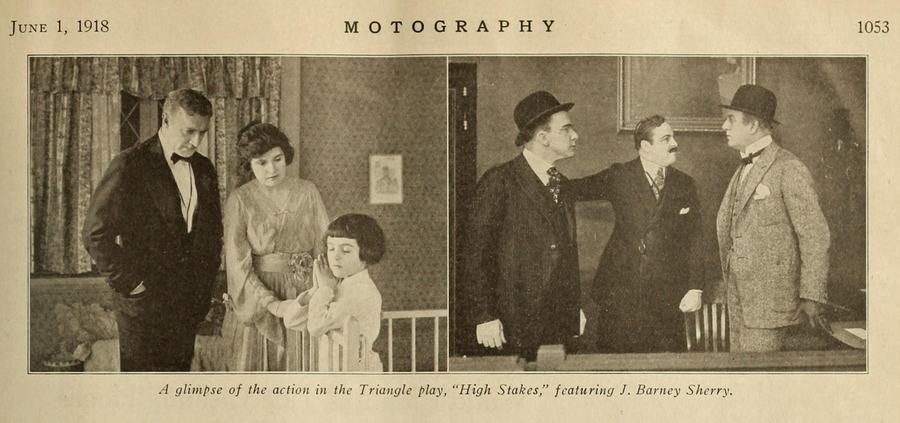
publicity
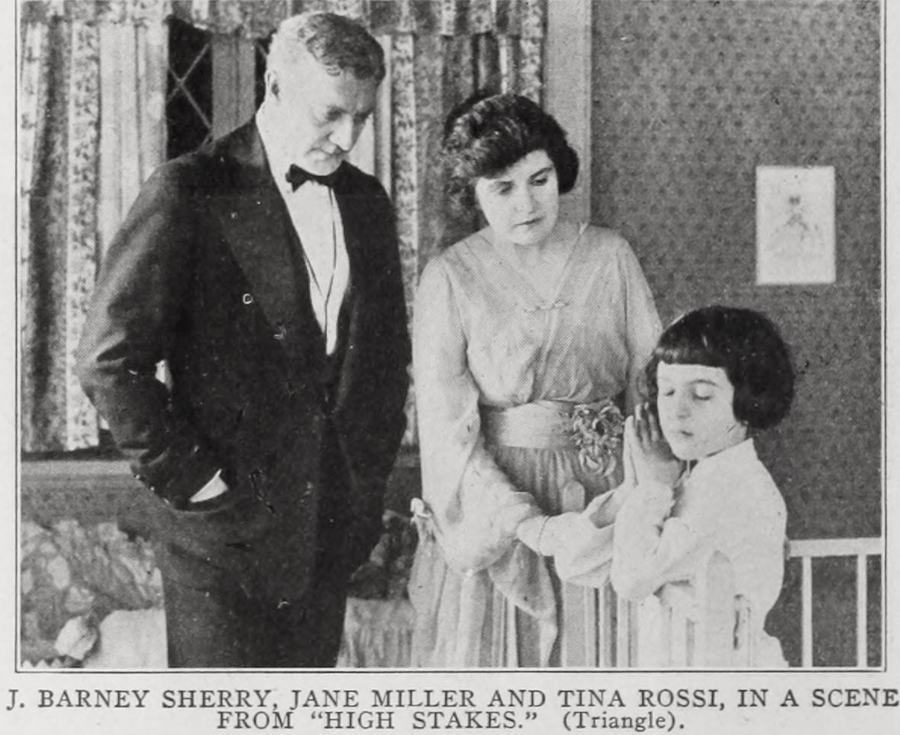
still_frame
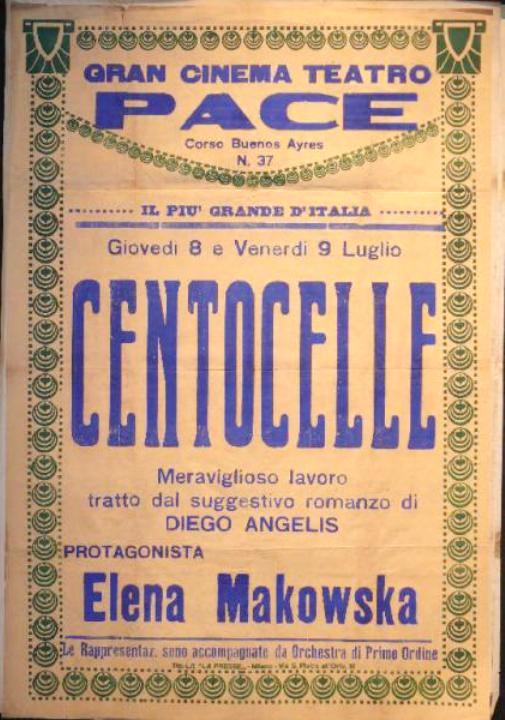
Comparing the cinematic DNA and archive impact of two defining moments in cult history.
Arthur Hoyt
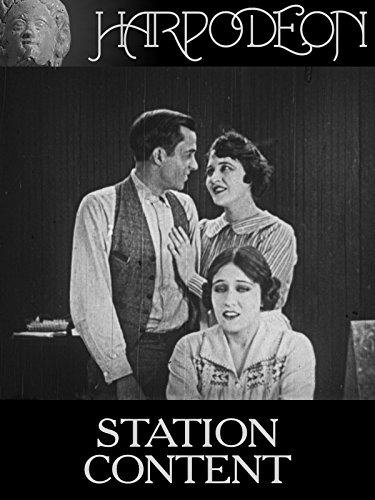
Arthur Hoyt
Community
Log in to comment.
"body {background: #000; color: #fff; font-family: Georgia, serif; line-height: 1.8; margin: 0; padding: 20px} h2 {color: #C2410C; font-size: 24px; margin-top: 30px} h3 {color: #0E7490; font-size: 20px; margin-top: 20px} p {color: #fff; margin: 10px 0} a {color: #EAB308; text-decoration: none} blockquote {border-left: 4px solid #C2410C; margin: 20px 0; padding-left: 15px; font-style: italic}High Stakes, a 1934 British crime drama, is a masterstroke of narrative economy and emotional heft. Directe..."
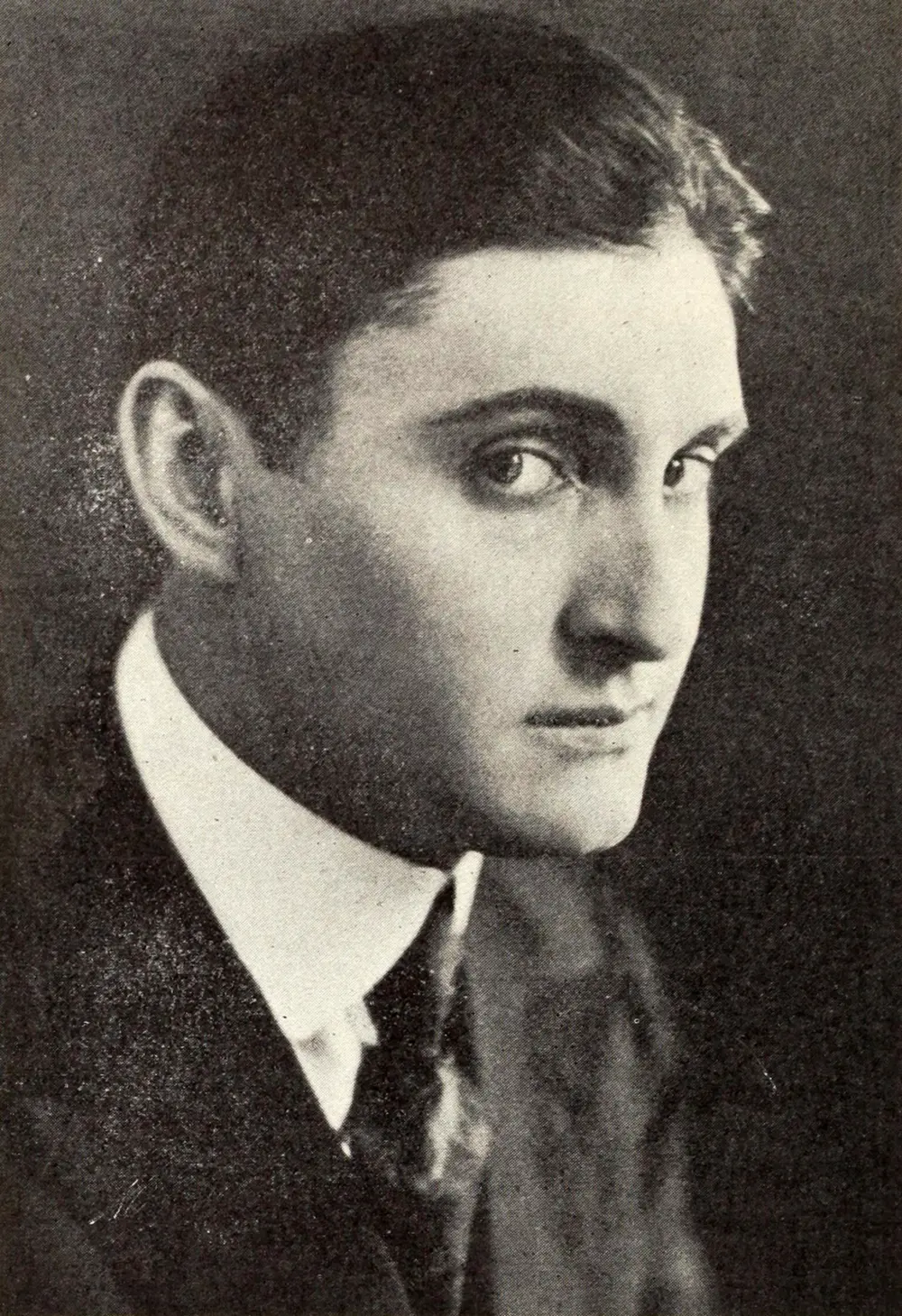
Deep dive into the cult classic
Discover similar cinematic experiences
A Directorial Spotlight on Arthur Hoyt
