
DbcultAccessing Vault...
Director's Spotlight
Senior Film Conservator
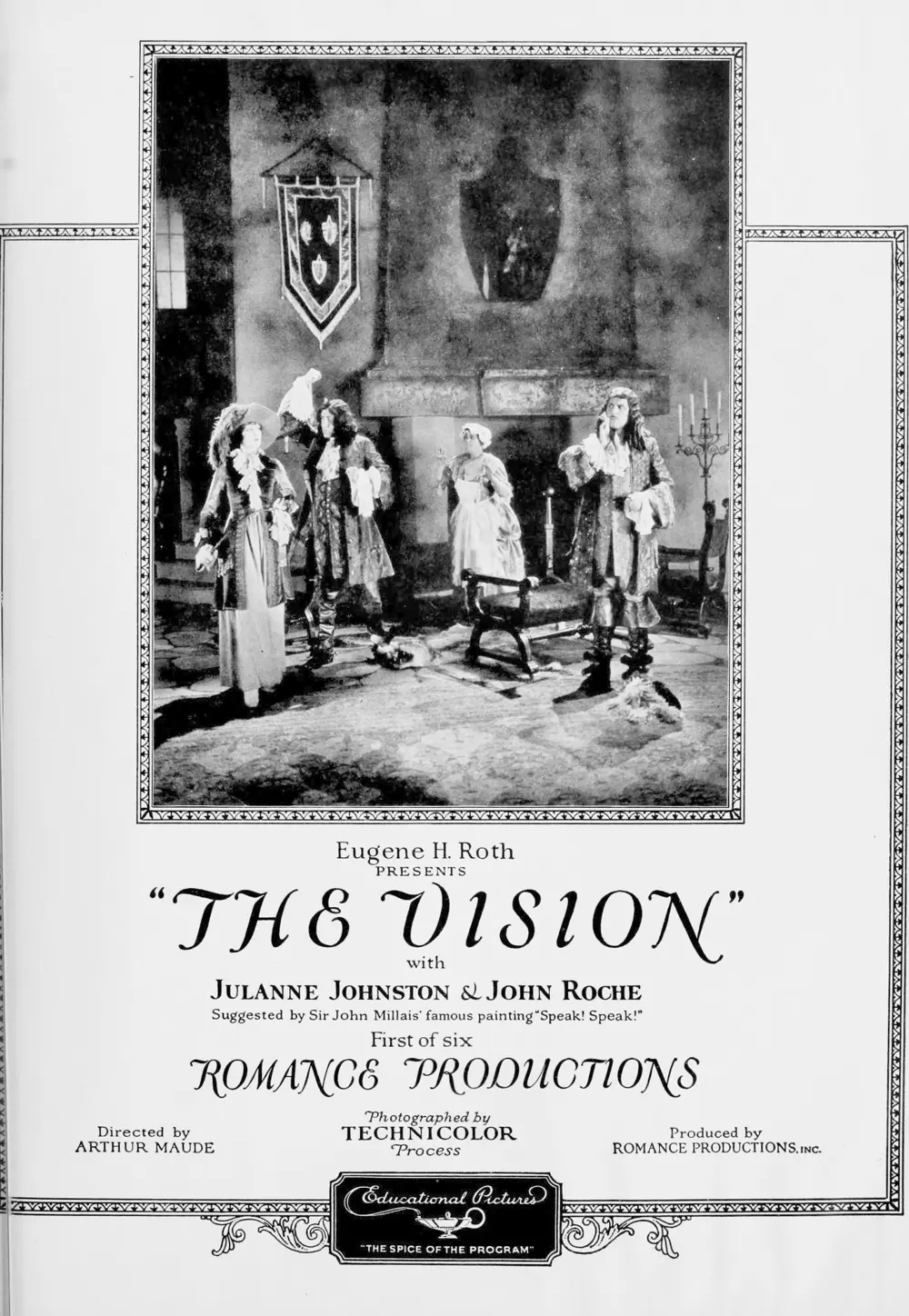
Director's Spotlight: United States
A Deep Dive into the 1926 Vision of Arthur Maude
As we revisit the 1926 masterpiece The Vision, we are struck by the atmospheric immersion that Arthur Maude achieves throughout The Vision. Exploring the nuances of the human condition with Short flair, it solidifies Arthur Maude's reputation as a master of the craft.
In The Vision, Arthur Maude pushes the boundaries of conventional narrative. The film's unique approach to its subject matter has sparked endless debates and interpretations among cinephiles and critics alike.
| Cinematography | Static |
| Soundtrack | Synth-Heavy |
| Editing | Rhythmic |
| Art Direction | Naturalist |
Visualizing the convergence of Arthur Maude's style and the core Short narrative.
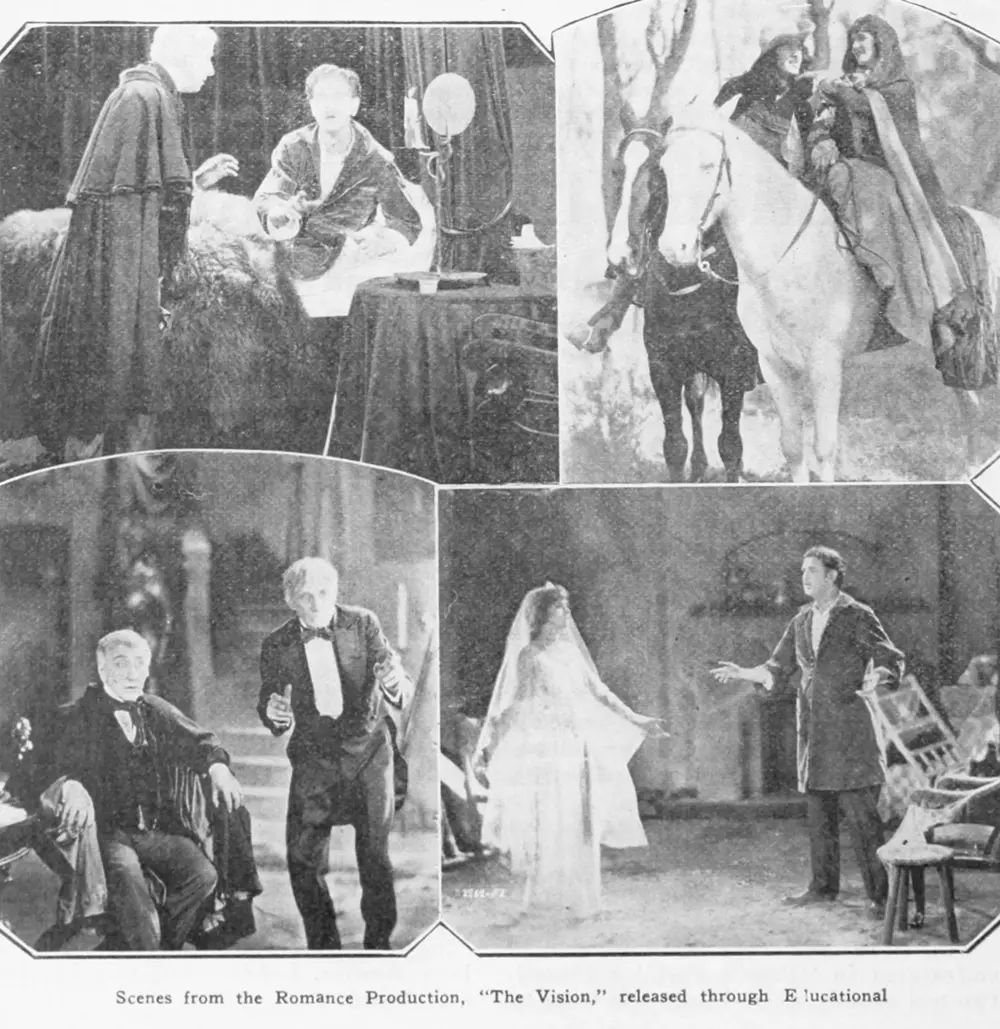
The story, credited to Arthur Maude, and suggested to him by Sir John Millais' painting, "Speak. Speak!" lends itself particularly well to the remarkable color effects produced by the Technicolor process. As to the story itself, it concerns a vision which appears to Edgar Graythorpe, sick and confined to his home at Roxton Castle; and alone with the exception of one servant. Graythorpe's queer actions - his conversations with someone unseen - have led the other servants to leave. Millais visits him and while there, the "Vision" again appears to Graythorpe. And then - the story unfolds - telling of a thwarted romance between Lucy Cludde and Charles de Lacey, and de Lacey's subsequent assassination at the hands of another suitor favored by Lucy's father. Pursued by the rival suitor, Lucy takes her life by leaping over a high cliff. Her spirit is the vision which appears to Graythorpe at intervals - and will continue to appear - until Graythorpe, who along with Roxton Castle has inherited the spirit of de Lacey - joins her. This is all revealed to Graythorpe by an old diary. Graythorpe dies and the two spirits meet.
Decades after its release, The Vision remains a vital piece of the cinematic puzzle. Its influence can be seen in countless modern works, solidifying Arthur Maude's status as a master of the craft in United States and beyond.