
DbcultAccessing Vault...
Director's Spotlight
Senior Film Conservator
Director's Spotlight: United States
A Deep Dive into the 1917 Vision of Arthur Rosson
The 1917 release of A Case at Law marked a significant moment for the stylistic boundaries pushed by Arthur Rosson during the production. In the context of United States's rich cinematic history, it invites us to question our own perceptions of cult narratives.
In A Case at Law, Arthur Rosson pushes the boundaries of conventional narrative. The film's unique approach to its subject matter has sparked endless debates and interpretations among cinephiles and critics alike.
In this work, Arthur Rosson explores the intersection of cult and United States cultural identity. The meticulous attention to detail suggests a deep-seated commitment to pushing the boundaries of the medium, ensuring that A Case at Law remains a relevant topic of study for cult enthusiasts.
| Cinematography | Deep Focus |
| Soundtrack | Minimalist |
| Editing | Slow-Burn |
| Art Direction | Brutalist |
Visualizing the convergence of Arthur Rosson's style and the core cult narrative.
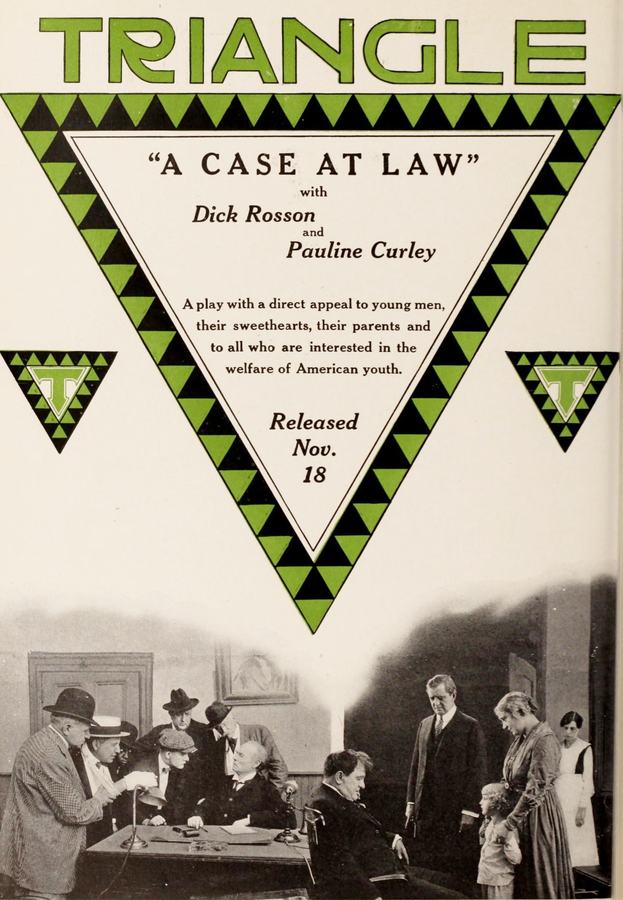
Doc Saunders, an alcoholic, leaves his little daughter Mayme in the care of his sister and goes West to start a new life. In the little town of Sago, Doc becomes an avowed prohibitionist, thus earning the enmity of Art the saloon keeper. Back East, Mayme grows to adulthood and marries reporter Jimmy Baggs who has just been hired by the newspaper in Sago. When Jimmy begins to drink heavily, Mayme appeals to the town doctor for help. Doc Saunders, recognizing her, chooses not to disclose that she is his daughter, but instead invites them to move into his house for treatment. Jimmy reforms until one day he is sent to the saloon to get a statement on the liquor question for his paper. When Jimmy returns home drunk, Doc, enraged, invades the saloon brandishing a gun and shooting wildly. Doc is arrested and tried, but pronounced not guilty by a jury that sympathizes with him. With Art's power finally broken, Doc confesses to Mayme that she is his daughter, and the family sees an end to their troubles.
Decades after its release, A Case at Law remains a vital piece of the cinematic puzzle. Its influence can be seen in countless modern works, solidifying Arthur Rosson's status as a master of the craft in United States and beyond.